
All guides and recommendations
Best swim mesh bags – Our recommendations in 2026

You’ve probably come across it at the swimming pool once or twice in your life… that little diving ring tossed into the water that instantly sinks to the bottom, ready for you to dive down and fetch.
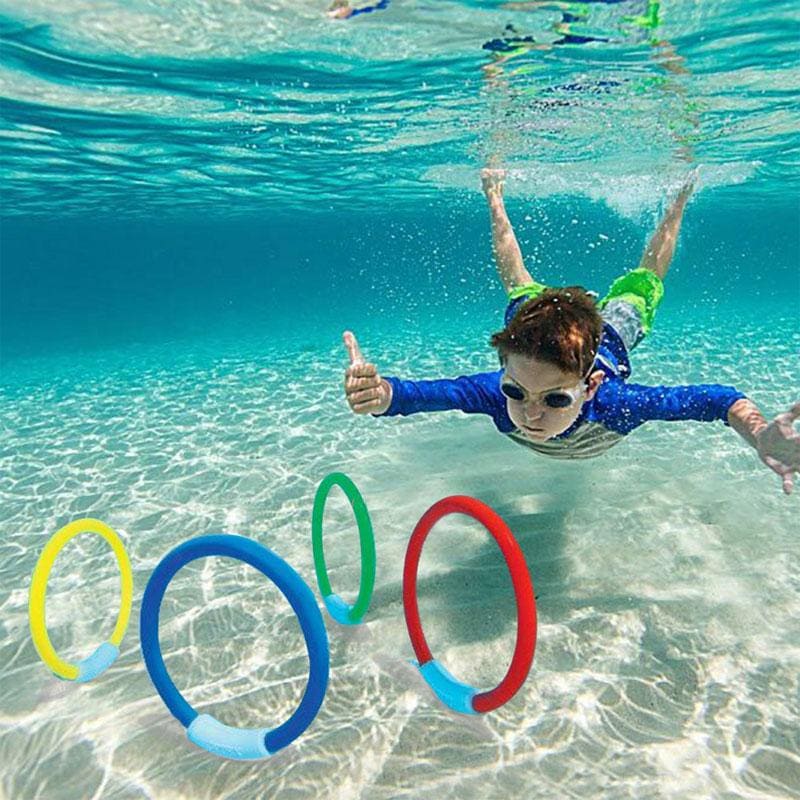
But what makes using a diving ring so great? What different types are out there? And which diving rings are the best?
I’ve set out to answer all of that in this guide, where I’ll cover the following topics:
 Watery diving ring - Cordelia
  Watery Soft Beckett diving ring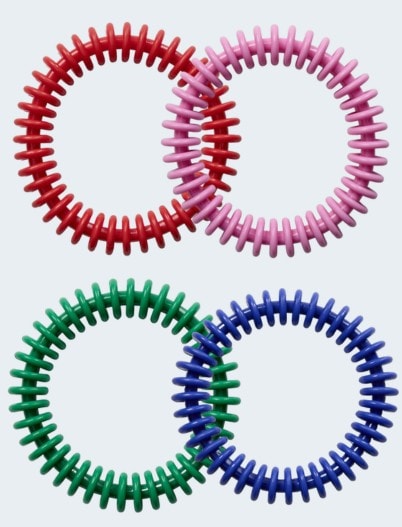
Diving just for the sake of diving can quickly become uninteresting and boring in the long run. But when you dive down after something—especially when it’s a race to get down and back up fastest—it suddenly gets a lot more exciting.
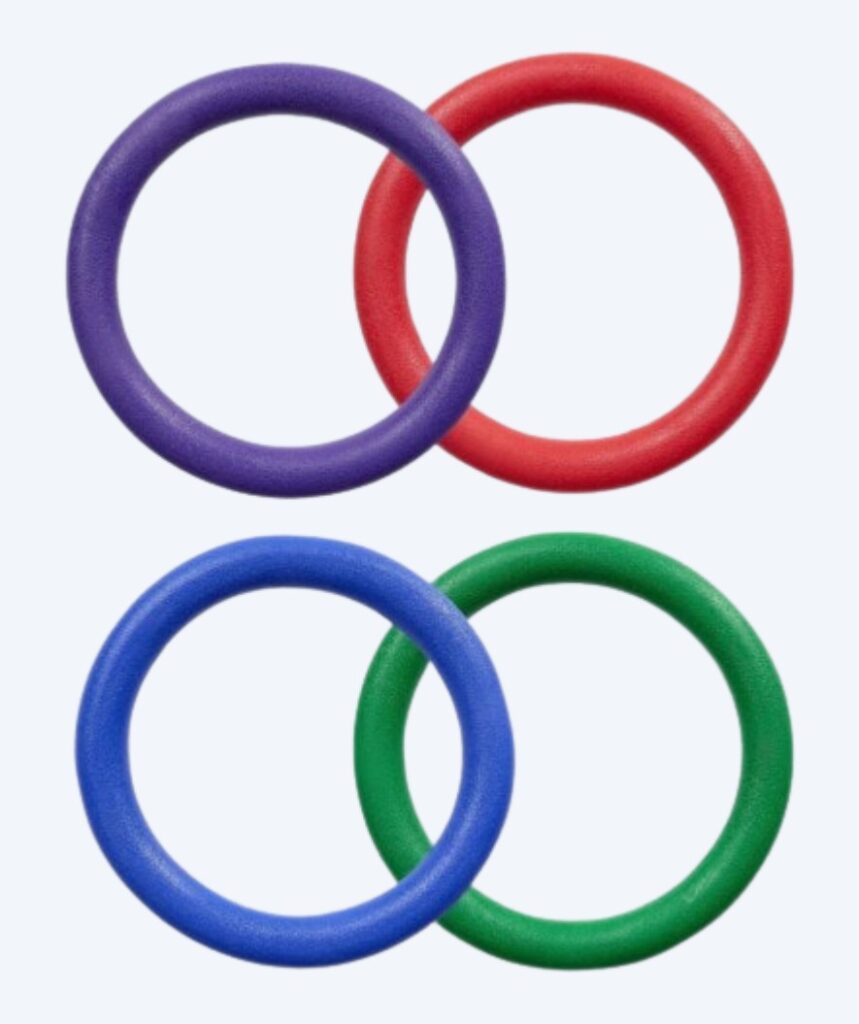
And the simplest piece of kit to dive for will always be a diving ring.
They take up very little space. They’re easy to hold onto. And they can easily be used by all age groups.
Plus, diving rings come in several different colours that are all easy to spot underwater. We’re talking bright colours like green, blue, red and orange. So no matter how short on breath you might be, you’ll easily spot them.
Besides turning diving into a fun game, a diving ring can also be used to build technical swimming skills.
Combined with a relatively low price, there’s no doubt that these features make diving rings so popular.
In the past, diving rings were only available in the traditional circular shape. Today, however, they come in all sorts of shapes and variations. What they all have in common is that they do the same thing: sink to the bottom so you can dive down and retrieve them.
To help you get a clear overview of the different types of diving rings, I’ve rounded them all up below.
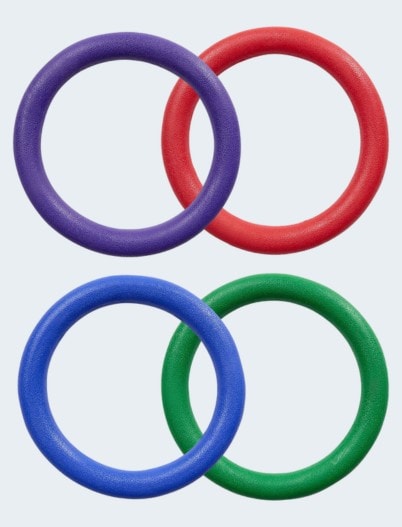
The most simple diving ring is this diving ring from Watery. It has a completely smooth surface, which allows it to glide more easily through the water and down to the bottom.
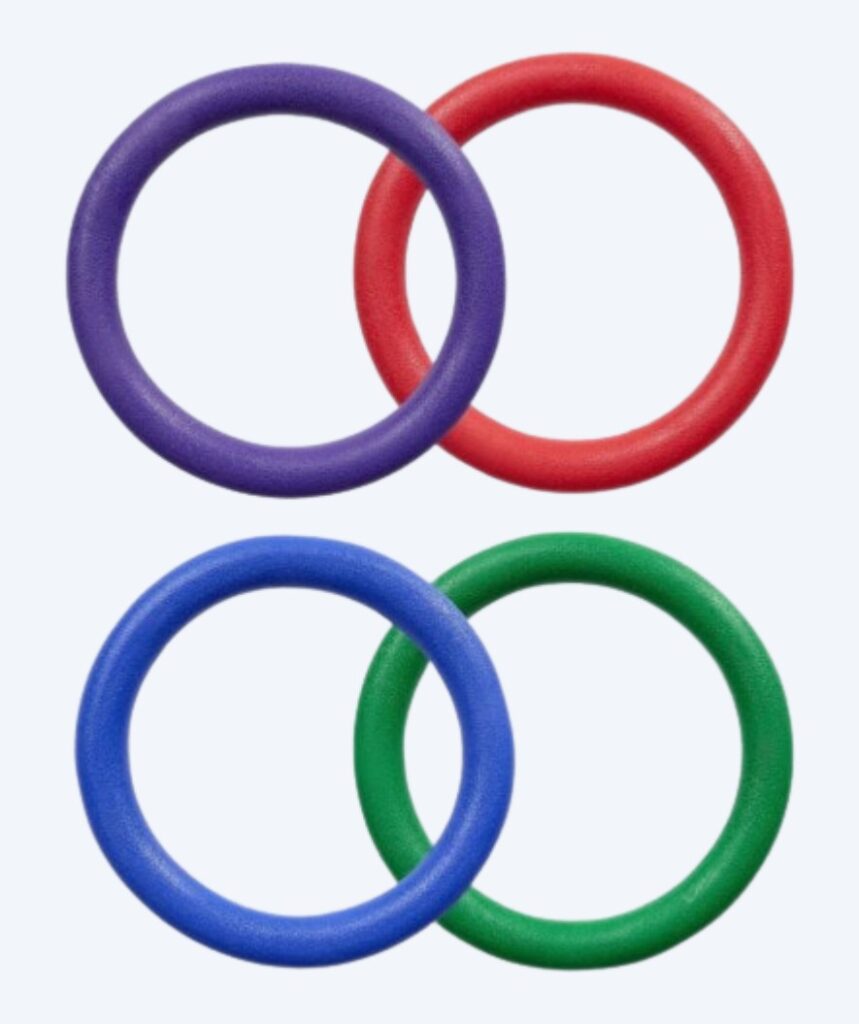
Because it is completely simple and has no special design features, the simple diving ring is also the absolute cheapest one you can get.
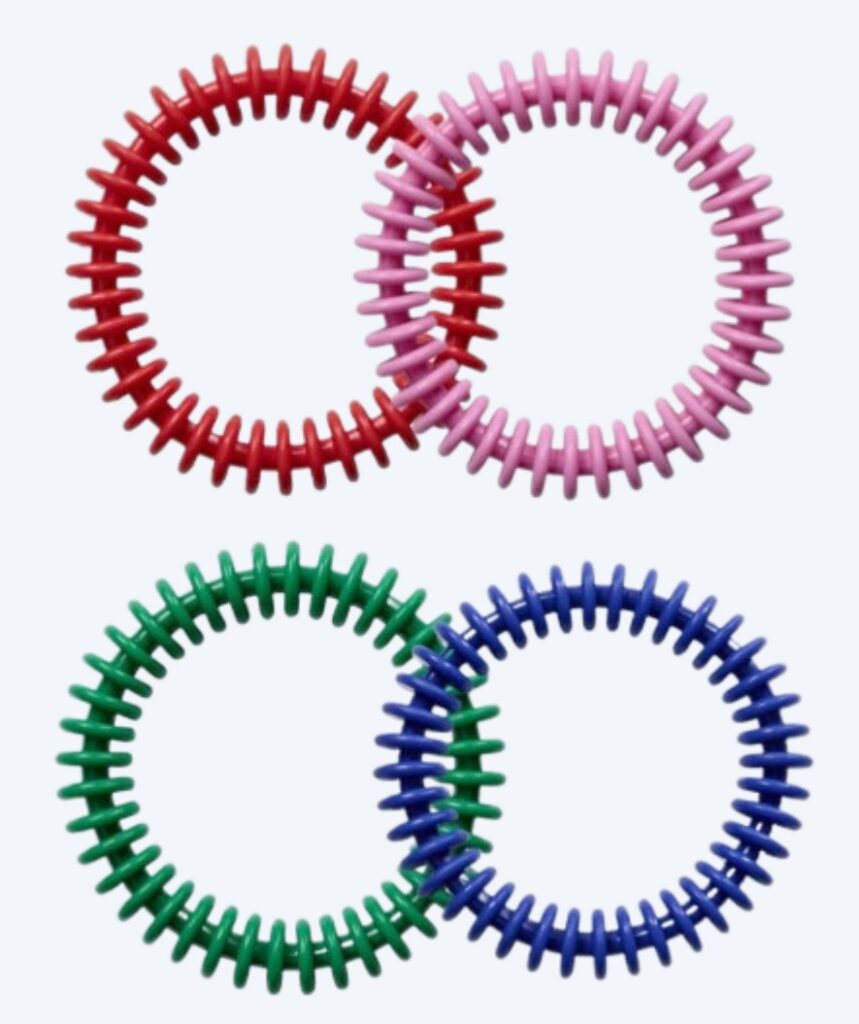
A slotted diving ring, such as this slotted diving ring from Watery, is incredibly similar to the simple type. The only difference is that this type consists of a series of ribs all the way round.
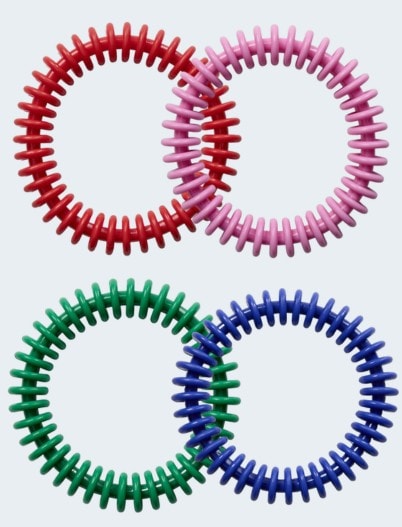
The ribs make the diving ring easier and more comfortable to hold in your hand, both above and below water.
Slotted diving rings are also often slightly larger than simple diving rings. So adults with bigger hands will find it a bit easier to get a good grip on this type.
A fish diving ring looks a lot like the traditional slotted diving ring. But instead of being completely round, it’s designed with a fish head and tail, while remaining circular where you hold it.
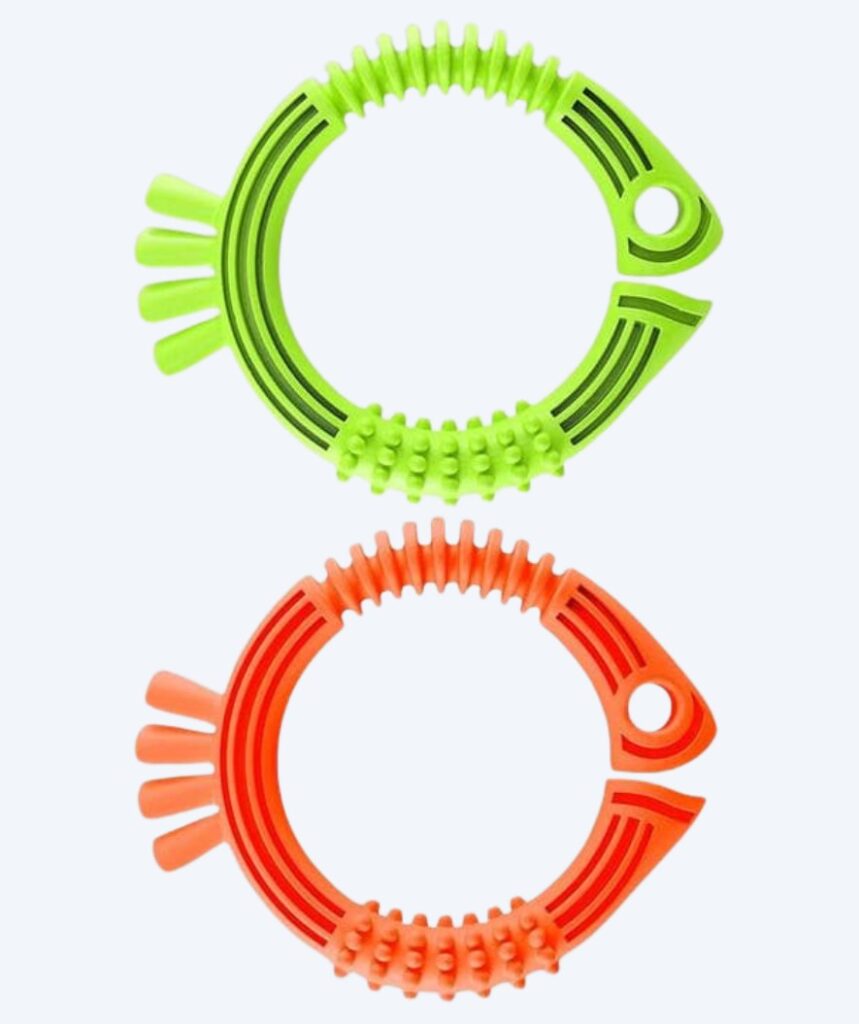
The handles themselves are made with either ribs or nubs so they’re easier to grip. The fish shape, on the other hand, is just a fun design feature to make things more enjoyable for kids.
The only type of diving ring that really stands out from the rest are these diving sticks. Instead of being round, diving sticks are rods that do the exact same thing as diving rings: sink to the bottom when you throw them into the water.
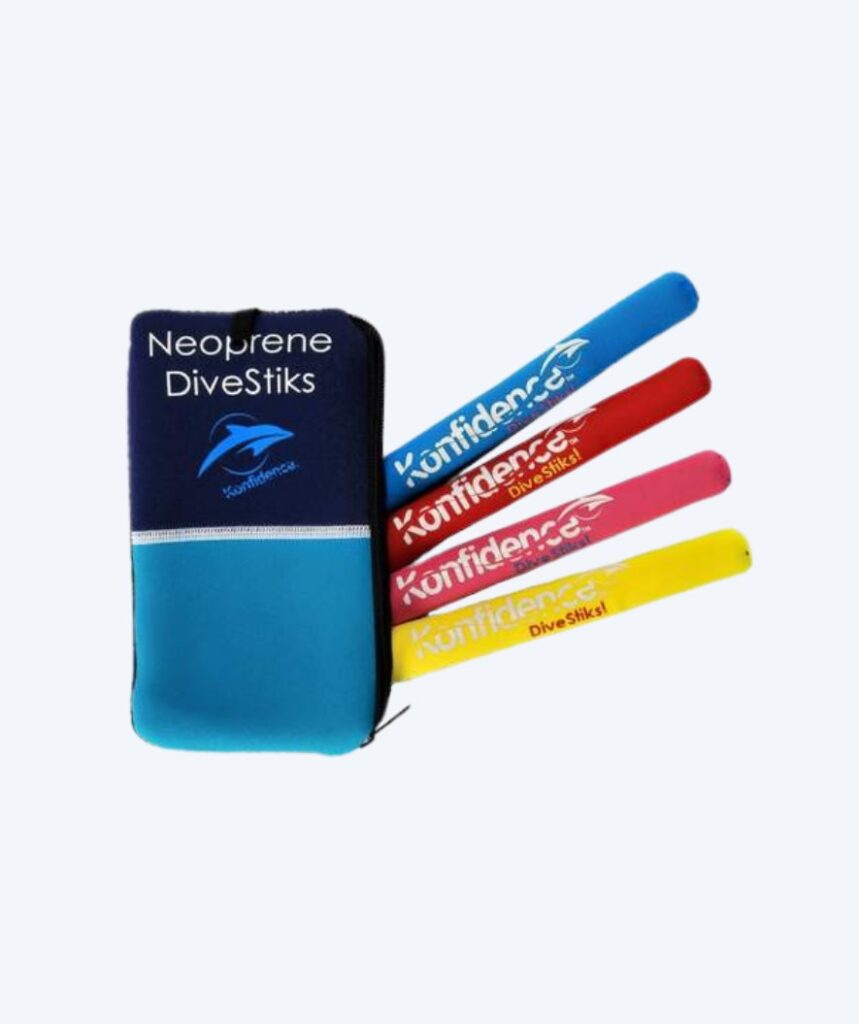
Diving sticks have a neoprene surface, which makes them very comfortable to hold. They also glide smoothly through the water, both as they sink and when you retrieve them.
Let me say it straight away: there isn’t a huge difference between the various types of diving rings. But there are small differences that make some types better than others. Based on hands-on experience with different models, I’ve selected two recommendations, each in its own category:
That way, I hope it makes it easier for you to see which type of diving ring best suits your needs when you want to have more fun diving.
If you just need a diving ring that does the job without fancy design features that push up the price, go for the simple Watery diving ring – Cordelia. At the end of the day, it does the exact same thing as the pricier alternatives. Just without an enhanced grip or a design shaped like an animal.
The Watery diving rings – Cordelia – are our clear top pick in this category. They sink quickly to the bottom when thrown into the water. They’re easy to spot – both above and under water – and they’re just the right size to be used comfortably by both small and large hands.
One small downside is that they come in assorted colours. So wherever you buy them, you can’t pick a specific colour. But at the end of the day, that doesn’t really matter anyway.
So if you’re looking for the best diving ring for the price, go for the simple Watery diving ring – Cordelia.
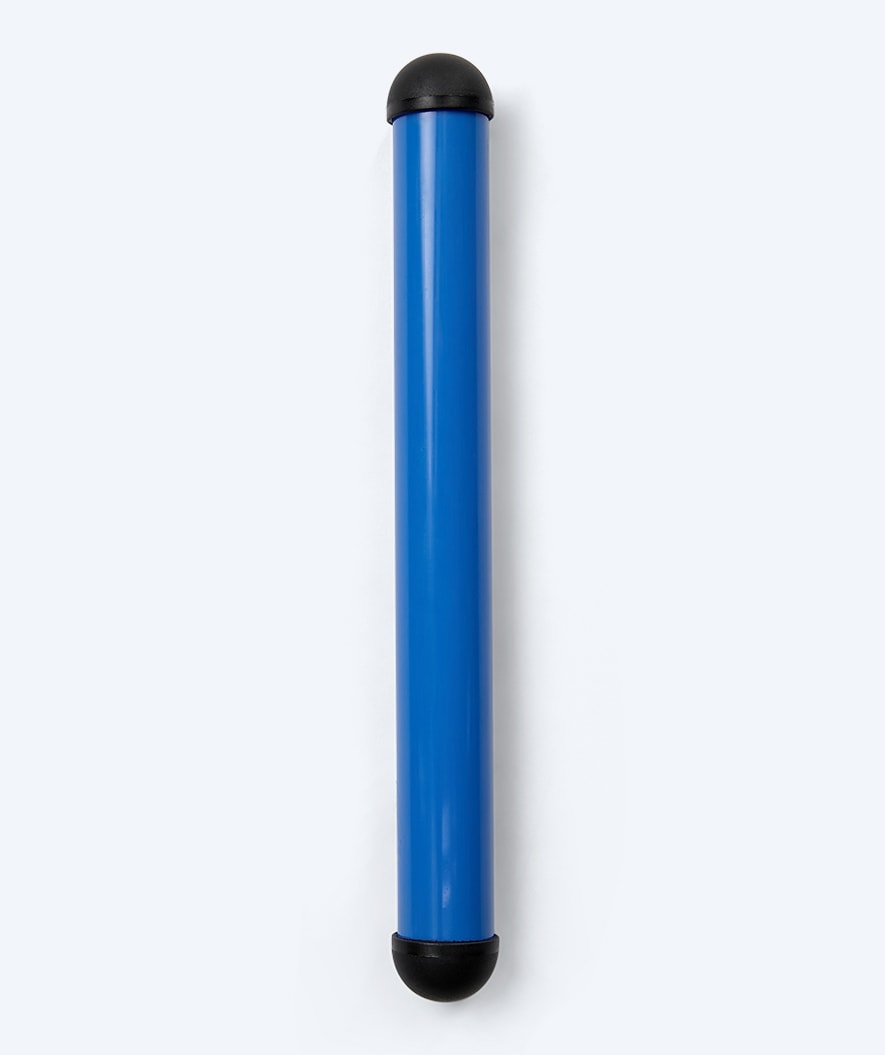
If you want the absolute best of the best, no matter the price, you should definitely get a set of Watery diving sticks – Evian. Besides sinking quickly to the bottom, the flexible neoprene surface makes them incredibly comfortable to hold.
At the same time, the neoprene surface prevents them from slipping out of your hands as you swim towards the surface. And because you’re swimming with a stick rather than a ring, it’s much easier to organise relays, both above and under water.
On top of that, the sticks won’t be mixed up with the rings provided by public swimming pools. The risk of confusing your own gear with the pool’s equipment is therefore greatly reduced.
Konfidence Dive-sticks come as a set in four different colours: blue, red, pink, and yellow. This makes them easy to spot, both above and under water.
All of this makes Konfidence Dive-sticks the best diving sticks on the market. Without a doubt!
Diving rings aren’t exactly a common sight in Irish shops – not even in sports shops. The niche for diving rings is apparently too small for that. But at Watery, you’ll find a great range of diving rings.
We’re swimming gear specialists – including diving rings – and we’ve got the expertise needed to offer top-quality products. Plus, you can shop with complete peace of mind at Watery, as our Trustpilot rating really couldn’t be better.
With high customer satisfaction, fast delivery and our range of quality products, we definitely recommend buying your diving rings at Watery.