


All guides and recommendations
Where can you find the best Black Friday deals 2026 on swim gear?

For many, winter swimming is the highlight of the day. With the right gear, your whole dip becomes a great experience. The right kit keeps you comfortable, so you never feel miserable when you’re out taking a cold dip.
Winter swimming gear is very personal, and over time you’ll learn what you need and what you can do without. Here are the 4 types of products we recommend for new winter swimmers:
Further down, you’ll also find out what to look for and how to get the most out of your gear.
👆 Click on each model to jump down to where we review it in detail.
 Watery wetsuit set
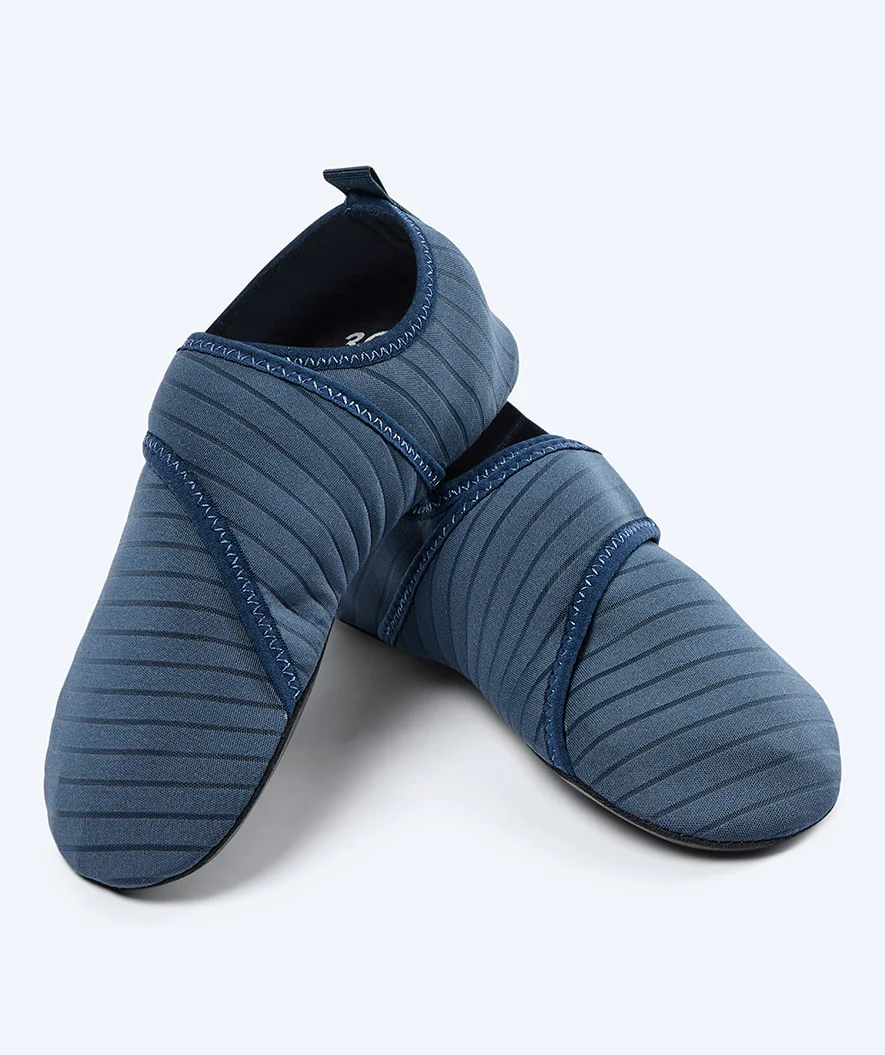
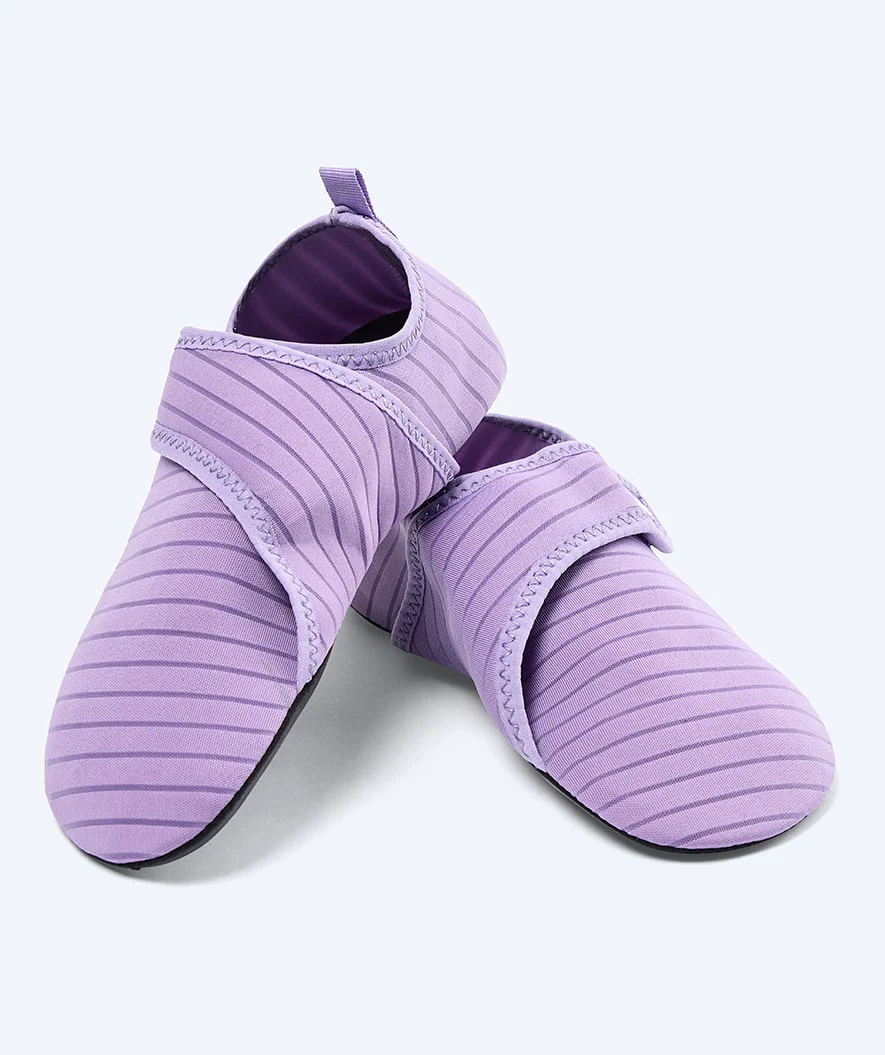
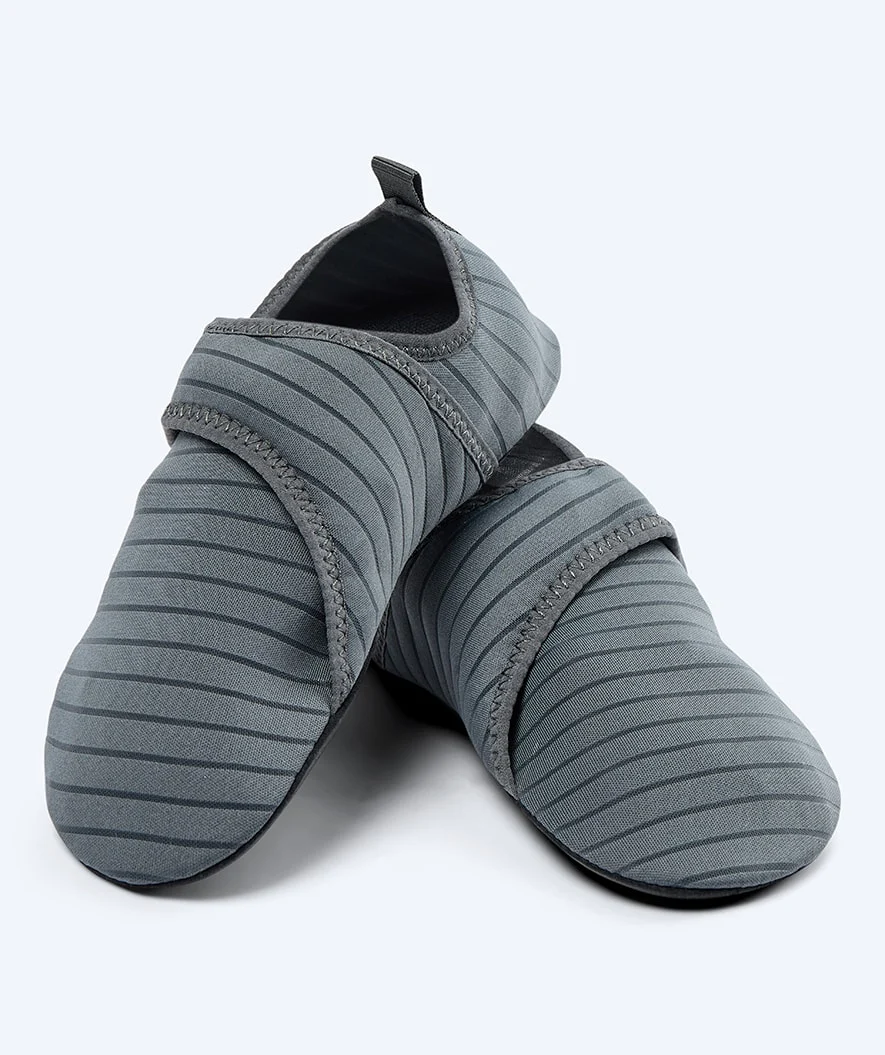
 Best winter swimming shoes for adults
 Watery changing poncho for adults
 Watery microfibre towel

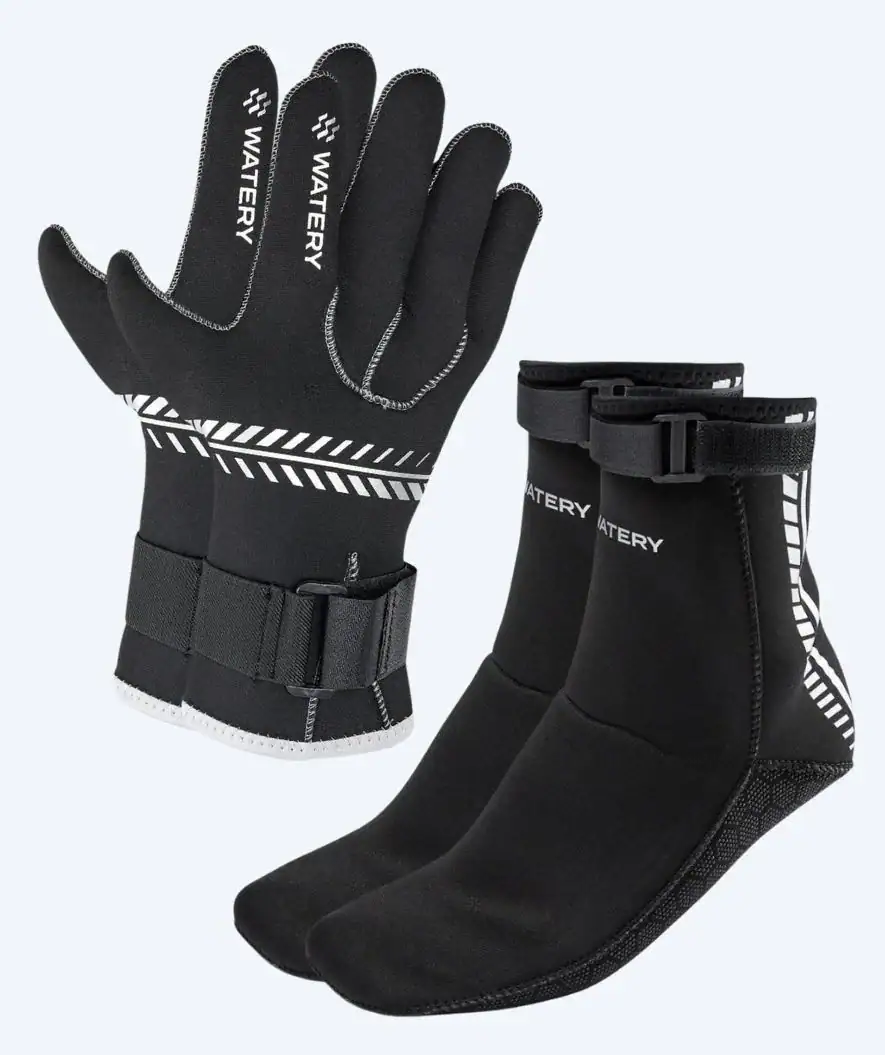
If you ask experienced winter swimmers what makes them get out of the water, the answer is rarely the cold on their body. It’s fingers starting to ache and feet stinging on the freezing jetty. That’s exactly what the Thermal Reptile neoprene set takes care of – which is why it’s our top recommendation if you’re only buying one item from the list.
In the set, you get gloves and socks in 3 mm padded neoprene. The gloves are mid-length with non-slip panels on the palms, giving you a firm grip on the jetty ladder. And the socks go well above the ankle with grip under the sole, keeping you warm while protecting against sharp stones and shells if you’re heading in from the beach.
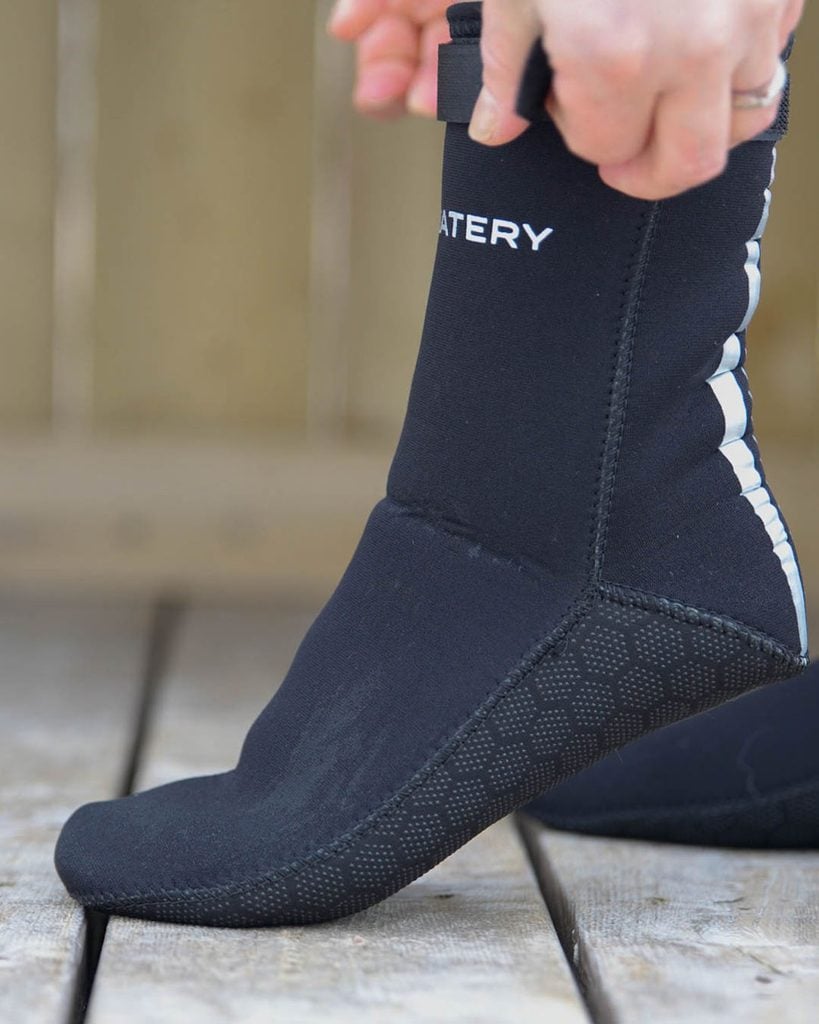
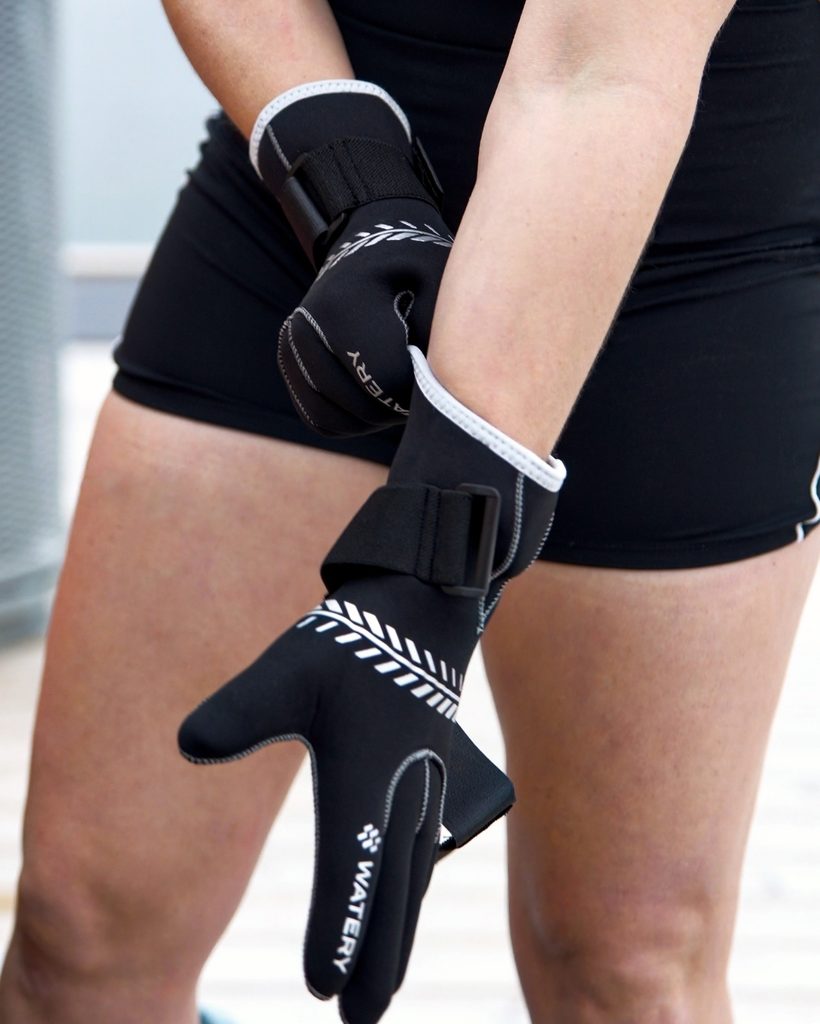
What we really like are the simple velcro fastenings. When you get out of the water with stiff fingers, fiddling with tiny zips is no fun. Here, you just pull the velcro open and get your gear off in no time.
Many people ask if wearing gloves and socks is cheating. It’s not. The rush winter swimmers go after comes from your core cooling down – your chest, back, stomach and legs. Hands and feet are only a small part of your body’s surface area, so you still get that familiar buzz afterwards. You just avoid aching fingers and toes, as well as frostbite.
The set is cheaper than buying both parts separately. If you also want to protect and keep your head warm, you can buy the set with a hood included. If you already have part of the set, you can buy the hood, gloves and socks individually.
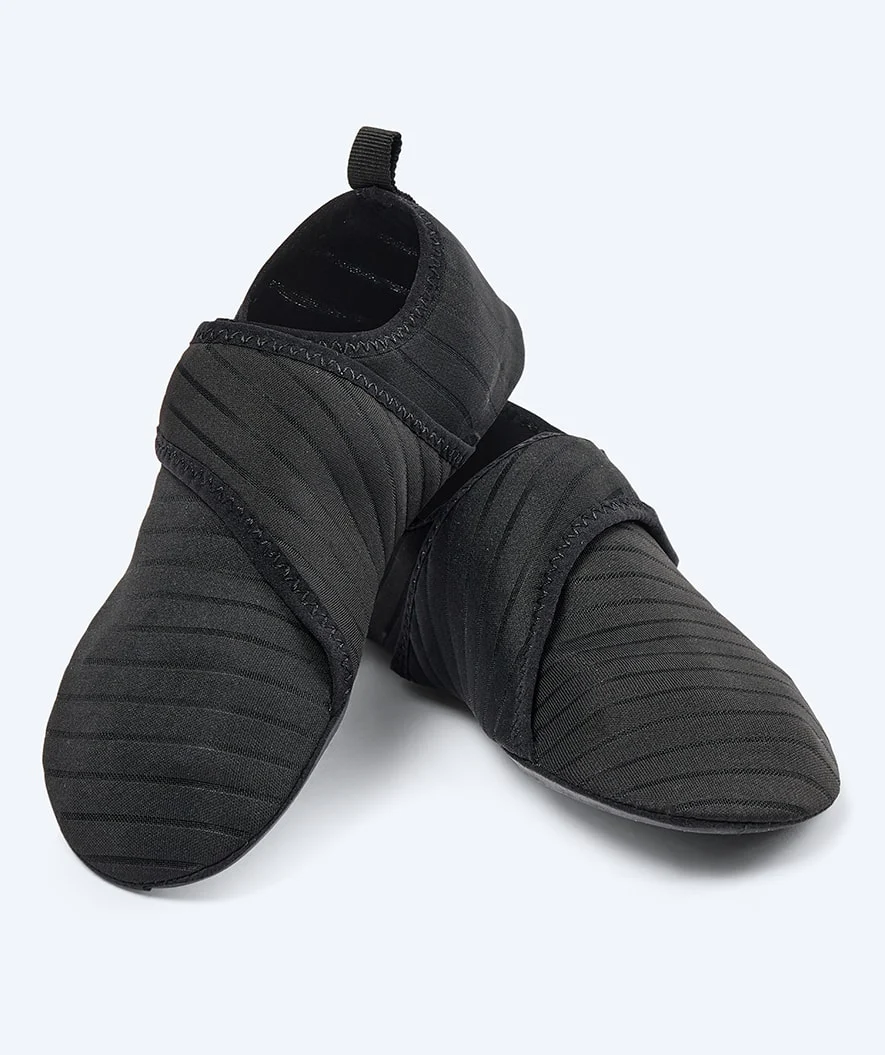
The first cold you meet as a winter swimmer isn’t the water – it’s the pier. Wooden planks, wet rocks and freezing ladder rungs can make the few metres down to the water the toughest part of the dip – and it can be dangerous if there’s frost on the jetty. Here, Watery Poseidon is our recommendation, as these shoes both protect you and feature a non-slip sole.
Poseidon is a lightweight neoprene water shoe with an insulating effect and a non-slip sole that gives you secure footing on slippery surfaces. The velcro strap lets you tighten the shoe, even with cold fingers, ensuring a snug fit that won’t come off when stepping down the ladder or taking a dip.
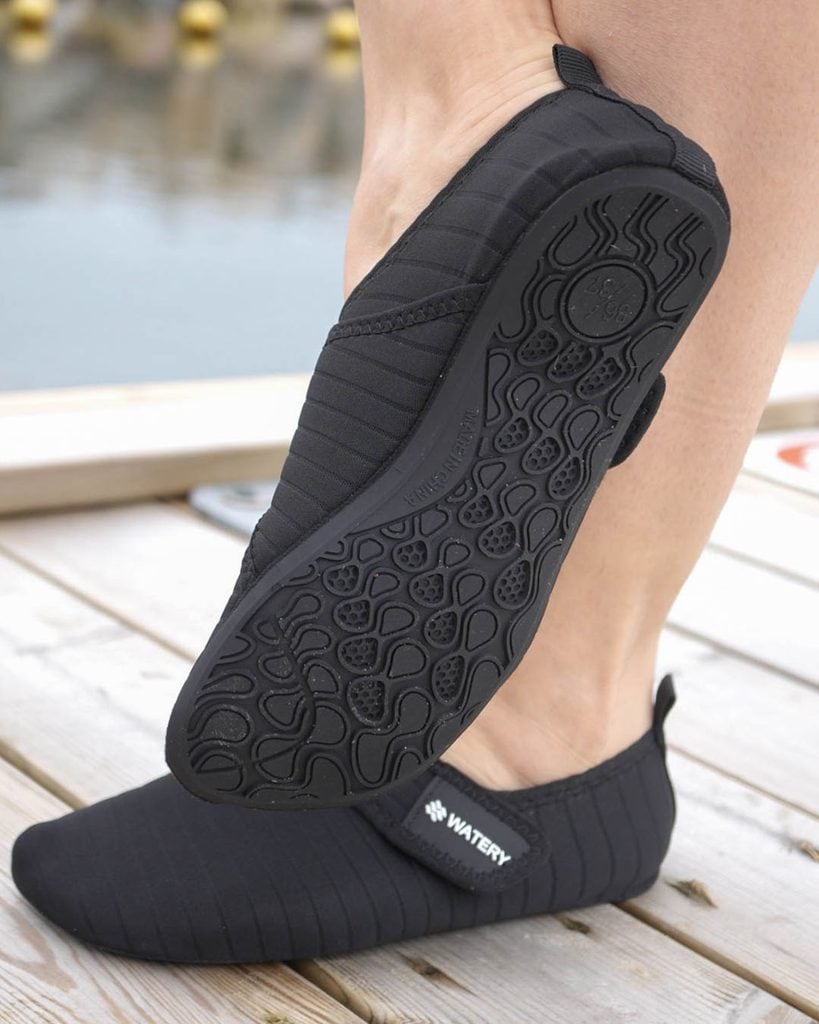
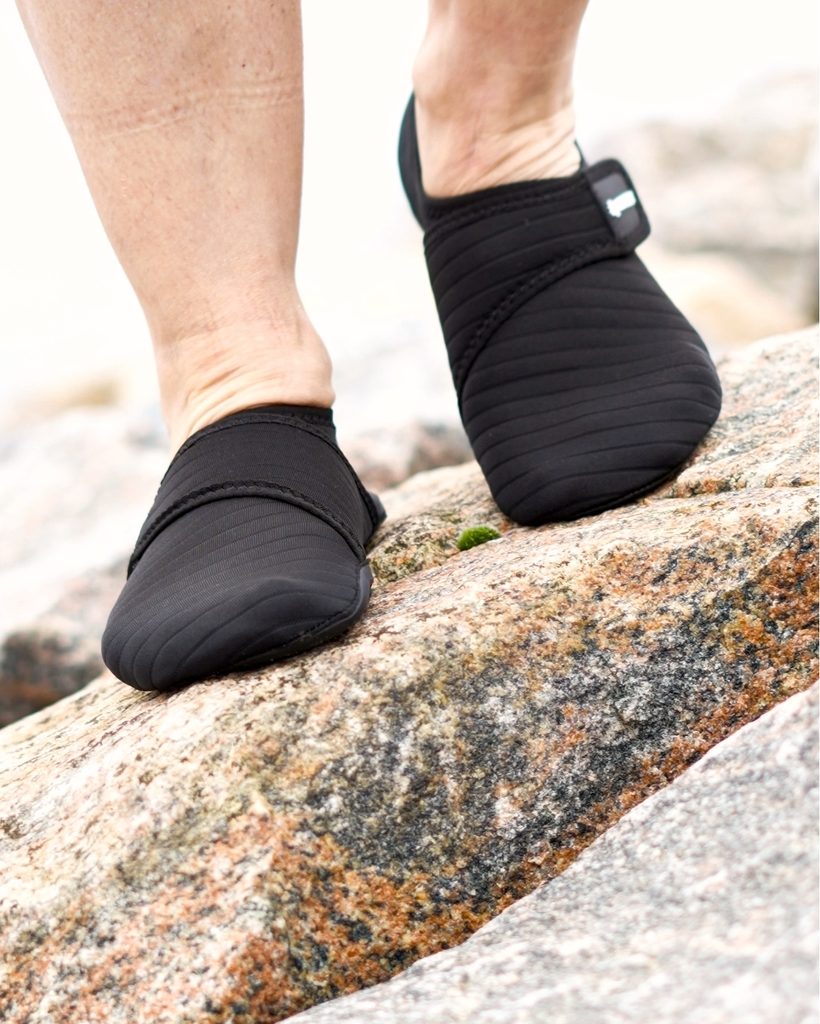
The shoes are so light you hardly notice them on your feet, and they dry quickly afterwards. That makes them ideal if you want something easy to slip into for a quick dip – and they work just as well for the beach, paddleboarding and summer swims for the rest of the year.
If you want maximum warmth for your feet, we recommend checking out the Thermal Reptile neoprene socks, as the neoprene is thicker. But for most dips, Poseidon is a lightweight and budget-friendly alternative. Remember to size up, as they run small.
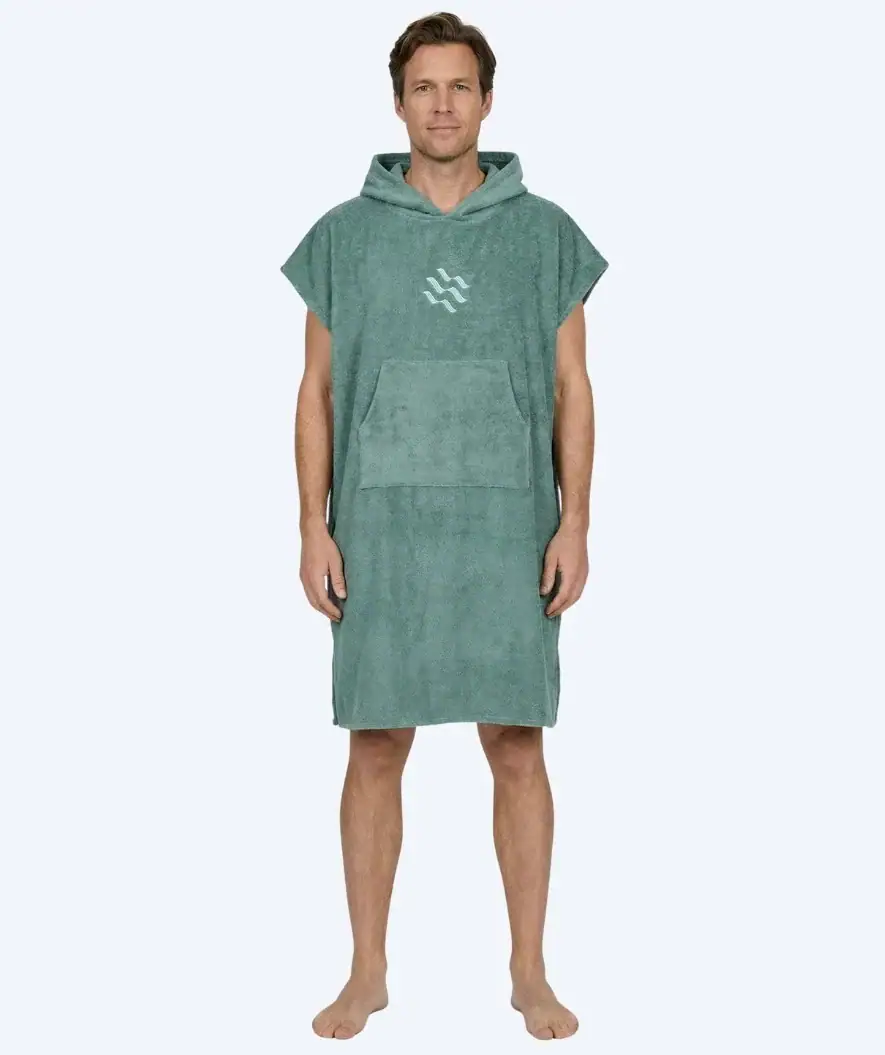
When you finish your cold dip and step out of the water, warming up quickly is key so you don’t get chilled. Getting warm, dry, and dressed should ideally be quick to avoid feeling the cold when the wind picks up. A changing robe solves all those problems: it gives you discreet changing, quick warmth, and wind protection, while getting you dry in no time.
The Watery changing robe for adults is made from thick, deep-pile 100% cotton terry that absorbs water while feeling cosy and soft against cold skin. You pull it over your head as soon as you’re out, and it covers your body down over your knees and elbows. That gives you instant, noticeable warmth — and that exact feeling makes cotton our top pick after a winter dip.
The oversized hood keeps the wind off your wet hair, and there’s plenty of room to change under the robe thanks to the large armholes and side openings. On the front, there’s a waterproof zipped pocket to keep your phone and keys safe, plus a kangaroo pocket behind it to warm your hands on the way back to the car.
If you want a robe that takes up minimal space in your bag, our microfibre changing robe is a lighter alternative. And if you often swim in rain, sleet, and wind, check out our Watery surf poncho – Waterproof with a windproof and waterproof outer layer. For most winter swimmers, though, we recommend the cotton robe.
A standard cotton towel is heavy, takes up lots of room, and quickly gets soaking wet – unlike microfibre towels, which dry fast and can be wrung out. When you’re a winter swimmer, a microfibre towel is the perfect fit for every chilly dip.
Watery Eco Nebraska is our top pick when it comes to microfibre towels. The towel measures 160 x 80 cm, which is the exact same size as a regular bath towel, yet it weighs surprisingly little at just 300 grams. It also packs away easily into the included mesh bag, taking up no more space than a water bottle. The towel absorbs water quickly, letting you dry off thoroughly and get dressed before the cold starts kicking in.
If the towel gets wet, just wring it out with your hands, and it’s ready to use again. That’s really handy if you’re sharing with someone else, or if you fancy going for a second dip on the same trip.
Paired with a cotton changing robe, it creates a great routine for every winter dip: use the towel for a quick dry-off so you don’t bring water under your robe, then pull the robe over your head to warm up and get changed sheltered from the wind.
Many people start winter swimming in just their swimwear and an old towel. And that works perfectly fine. But most soon realise that it isn’t the dip itself that’s tough. It’s everything that happens when you’re out of the water.
In cold water, your body pulls blood in towards your vital organs. That’s why your fingers and toes feel the cold first – and that’s often what makes people give up winter swimming. That’s where a neoprene set helps. Afterwards comes the challenge of drying off and getting dressed while the wind cuts across an exposed jetty or the beach.
The right gear doesn’t take away the thrill of winter swimming. It just takes away the bits that make it uncomfortable. That way, you can enjoy winter swimming on your own terms – and keep going all winter long.
You don’t need to buy everything on the list – it all depends on your needs. Here’s an overview of what each item does, so you can start with what matters most to you.
| Products | What it solves | When to use it |
|---|---|---|
| Neoprene set | Cold fingers and toes | Mainly in the water for insulation, but also on the ladder and jetty. |
| Swim shoes | Freezing, slippery piers and sharp stones | On your way down to the water and in the water |
| Changing robe | Changing in the wind and in public spaces | Before and after your dip to keep you warm |
| Microfibre towel | Drying off quickly without a heavy, soggy towel | Straight after you get out of the water |
If you’re new to winter swimming, we recommend starting with a neoprene set or swim shoes. Hands and feet are what most people struggle with at first. A changing robe and microfibre towel are the next step when you want to make the moments after your dip much more comfortable.
For winter swimming, 3 mm neoprene is a great starting point. It’s thick enough to keep you warm during a dip or a quick swim, yet flexible enough that you can move your fingers and grip the ladder. If you swim longer distances in cold water, typically in a wetsuit, it might make sense to look at thicker and snugger gear like our Calder Pro series (4 mm).
Advantages of neoprene socks: Neoprene socks come up over your ankle, so they keep the heat in best. On top of that, neoprene socks feature grip under the sole so you won’t slip. Neoprene socks are definitely the best choice if you struggle with the cold.
Advantages of swim shoes: The previously mentioned Poseidon swim shoes are incredibly light and very easy to put on. Swim shoes can also be used all year round and not just for winter swimming. You can easily use them on the beach or on your paddleboard.
In short: If you want the warmest option, go for neoprene socks. If you want the easiest option, choose swim shoes. As a beginner, we recommend choosing neoprene socks so you get the best insulation.
Many winter swimmers use both a poncho and a robe – but for different things. The poncho is made for changing and drying off, while a winter swim robe is primarily designed to keep you warm while you sit on the pier or walk home.
The advantages of a cotton changing robe are that it’s soft and cosy, drying you off while you warm up. Plus, it’s roomy, making it easy to get changed discreetly.
The advantages of a winter swim robe or waterproof changing robe are that the outer shell is windproof and waterproof. You’re therefore better protected against the cold and warm up faster.
In short: If you’re just starting out, a cotton changing robe is your best bet. If you often swim in the wind and rain, a waterproof poncho is the best choice to retain heat.
Cotton towels are soft and cosy at home. But for winter swimming, they have three downsides: they’re heavy, take up lots of space in your bag, and get soaked through quickly. A freezing, wet towel in icy weather isn’t much fun.
A microfibre towel absorbs water quickly, can be wrung out and used again, and takes up only a fraction of the space of a cotton towel. It does feel smoother against your skin, but for most cold-water swimmers, the practical benefits easily win out.
Neoprene will last for plenty of seasons if you look after it. Always rinse your neoprene gear and swim shoes in fresh water after use, especially if you swim in the sea. Then let it air dry – and keep it well away from direct heat sources like radiators or open fires, as heat can make neoprene go stiff.
Take your changing robe and towel out of your bag as soon as you get home so they can dry out. Wash them without fabric softener to keep their absorbency intact, so you can enjoy them for many seasons to come.
Winter swimming gear comes in all shapes and sizes. But if you want to be sure you’re getting high-quality kit that actually keeps you warm through the winter and stands up to regular dips in icy water, buying from a water sports and winter swimming specialist is your best bet.
At Watery.ie, we specialise in winter swimming – and with former elite swimmers on our team, we know exactly what works and what doesn’t. We know how crucial the right fit and insulating materials are so your gear fits comfortably, keeps you warm, and doesn’t lose its shape after a season in the cold water.
Our Trustpilot score is right at the top, so you can shop with confidence, knowing you’re getting products that live up to your expectations as a winter swimmer.
We recommend picking up your winter swimming gear with us at Watery.ie.