


All guides and recommendations
Best swim mesh bags – Our recommendations in 2026

You only need to watch swimmers during a single training session to see them using a kickboard. But what’s the point, and how do you choose the right kickboard for you if you want to train like the pros?
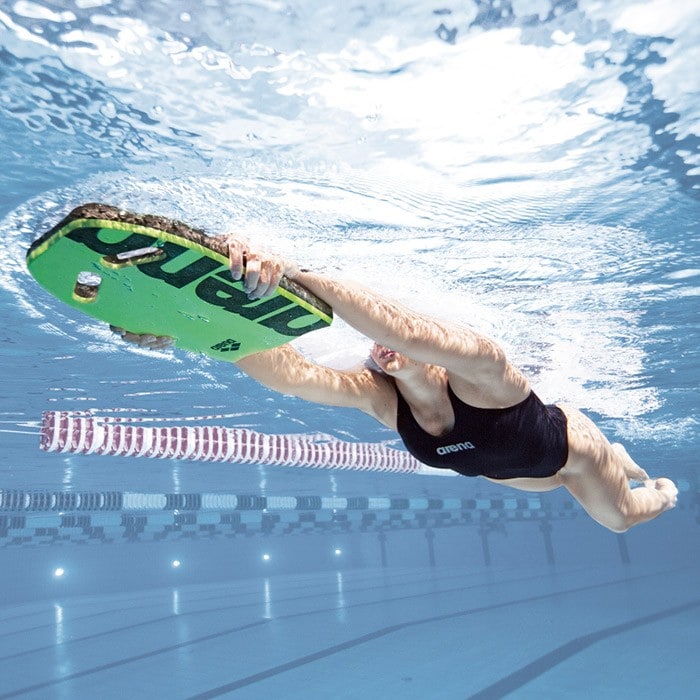
I’ll give you the lowdown here, sharing my recommendations based on hands-on experience with all kinds of kickboards.
The aim of this guide is to get you properly set up to choose the perfect model for your needs.
 Best for fitness/elite training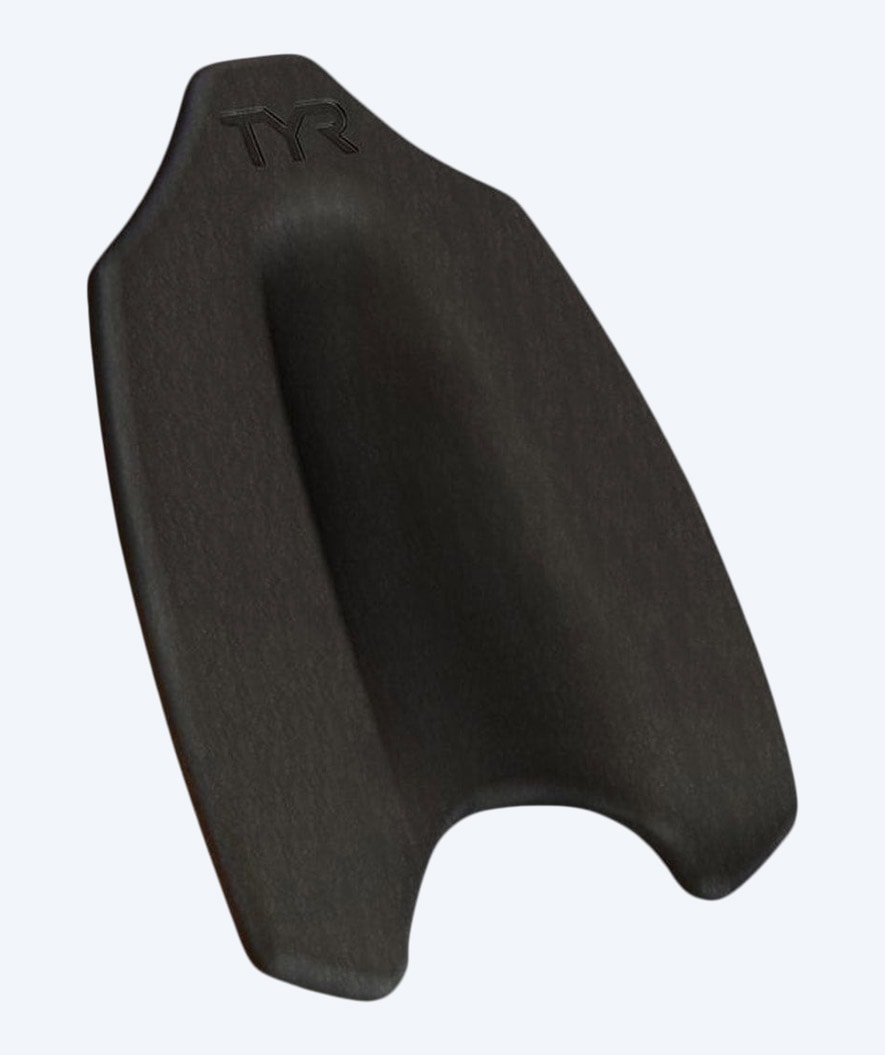
A kickboard, swim board, float… whatever you call it, among swimmers it’s usually just known as a ‘board’ or a ‘kickboard’. And the name says it all when it comes to what it’s for.
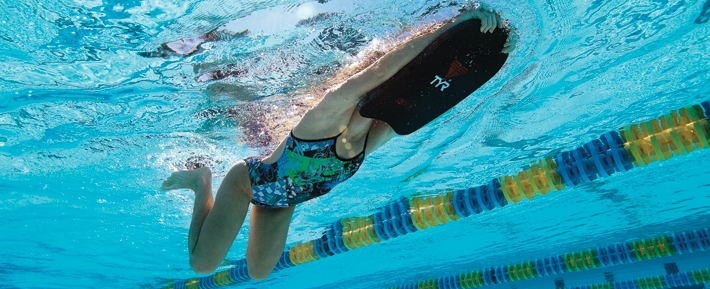
A kickboard is mainly used when you want to focus on your legs during training to improve and strengthen your kick. And for that, a kickboard is a fantastic training tool.
That’s true for elite and competitive swimmers alike, but especially for beginners too.
A steady, powerful, and solid kick is essential for keeping your balance in the water. Plus, a good kick gives you plenty of propulsion, helping you move faster through the pool.
Whatever your swimming level, leg workouts in the water are vital. They help build kick strength and help you learn – and maintain – a sustainable kick rate.
And there’s really nothing like a tough leg set to get your heart rate right up there.
For all these reasons, a kickboard is an essential tool if you want to get the most out of your training.
I’ve already touched on it in the previous section. But now I’ll get a bit more specific about how you can use a kickboard in your training and why it’s so good.
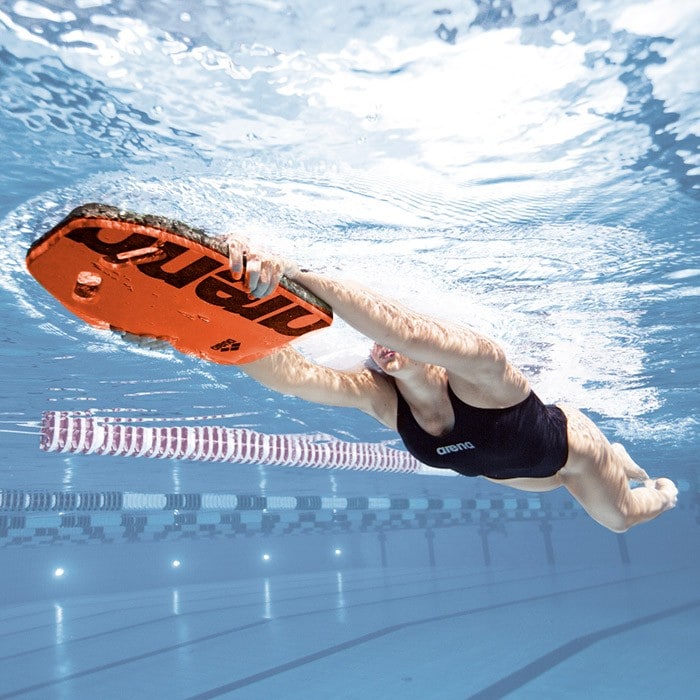
And let me start with the latter, so you first understand why it’s so beneficial to use this exact piece of swimming gear.
By specifically training your kick, the short answer is that you’ll become faster in the water. You’ll achieve this because you train your kick to become more powerful without using extra energy.
Because believe me; your kick is definitely the most energy-consuming part of your swimming.
So if you can master your kick, you can really make huge progress in terms of speed, technique and energy distribution.
Once you’ve jumped in the pool and warmed up properly, it’s a great idea to add a kick set where you do, for instance, 12×25 metres with the kickboard out in front of you and just go full throttle with your legs. Between each 25 metres, take a 10-20 second rest, depending on your level.
Your legs will definitely feel the burn. And you’ll most likely feel it throughout your upper body too, as all the blood rushes down to your hard-working leg muscles.
It’s extremely effective, both for the strength of your kick and for your general stamina.
Just like a lot of other swimming equipment, there are several different types of kickboards. It can therefore feel quite overwhelming to figure out which model suits you best.
Below, I’ll give you an overview of the different models available, along with their pros and cons. That way, you’ll be much better equipped to pick the perfect one for your needs.
Broadly speaking, there are two types of kickboards:
There are pros and cons to both types. What they have in common, however, is that they’re designed to help you improve your leg kick. Just in different ways due to their distinct features:
At the end of the day, most swimmers choose a soft model, as it’s easier to keep aligned with your body position during kick sets.
When it comes to whether your new kickboard should have grip holes or not, it’s more a matter of taste than essential for functionality. Check out examples of both types below.
Grip holes don’t really make much difference, other than letting you hold the board in the middle through the holes.
Kickboards without grip holes are also easy to hold at the bottom, top, or sides. So whether you choose a model with or without holes, it comes down to personal preference and what you think feels most comfortable for you.
As mentioned, whether you want grip holes or not is a matter of preference. But if you have a look at your local swimming club, it’s clear that the vast majority of swimmers use a model without holes.
Now that we’ve covered firmness and grip holes, we come to a more essential feature: whether the shape of the board should provide low or slightly higher water resistance.
You can naturally debate how much water resistance really matters when a kickboard is just used for training. But it’s also nice to move quickly through the water without falling too far behind your lane mates.
It’s clear that there might be some benefit to having a bit more water resistance in your kickboard when you’re just using it for training. Still, it’s very obvious that most swimmers prefer models with low water resistance.
You’ll quickly notice this at swimming clubs across the country, where this type is definitely the most popular choice.
Now that I’ve covered the different types and features of kickboards, it’s time to share my personal favourites based on hands-on experience.
What they all have in common is that they’ve earned their spot as my favourites through extensive use and comparisons over time.
To pick the recommended models below in the different categories, I’ve tested a wide range of kickboards at the pool from our large selection of the most popular models in Ireland and abroad. These recommendations are based on this practical experience combined with customer feedback and our expert knowledge, ensuring you get only the very best. Here are the top picks:
The kickboards have been evaluated based on factors like softness vs hardness, size, weight, price, material, and ultimately an overall assessment of the experience with each one. This blend of personal experience, product expertise, and customer feedback forms the basis for the recommendations below.
I’ve already mentioned TYR’s Hydrofoil kickboard earlier in this guide. And there’s no doubt that I really love it. That’s thanks to its great design and features, making it the absolute best kickboard on the market.
The fantastic thing about this kickboard is that it’s designed to be really comfortable to use, even for long periods at a time. The surface is soft and your arms rest naturally on top of the board, reducing strain on your arms, shoulders, and back.
There’s also very little water resistance with this kickboard, so you move forward faster compared to other kickboards on the market.
In our opinion, the TYR Hydrofoil is the most highly recommended kickboard. That’s why we suggest it for both fitness and competitive swimmers.
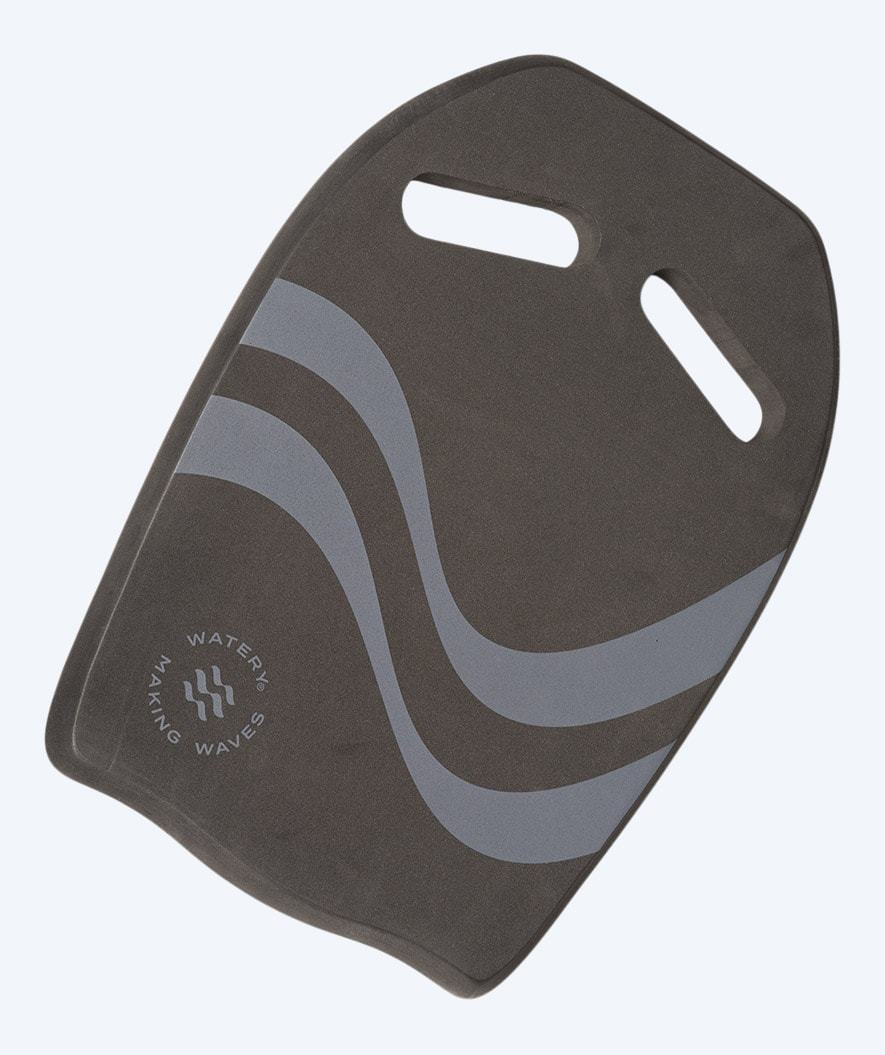
If you’re looking for the best value kickboard, this model is an obvious choice. Based on experience, it shares many of the great features of the TYR Hydrofoil – just at a lower price.
This kickboard is an essential piece of swimming gear whatever your swimming level. It keeps your upper body still so you can focus on strengthening your kick and perfecting your technique
The board offers great rigidity, letting you focus fully on your kick rather than where the board is drifting in the water. Despite its stiffness, it’s still really lightweight and feels natural to use.
The Watery Heat kickboard is available in 4 different colours – black, pink, navy blue, purple

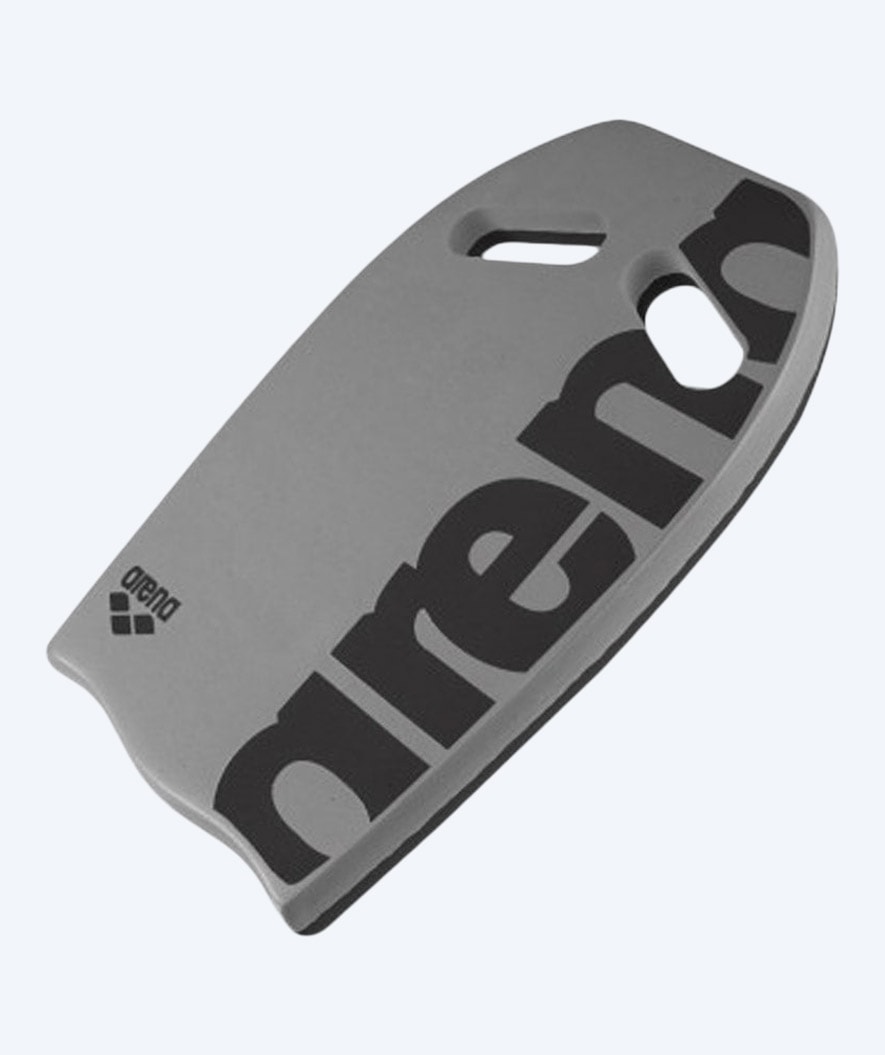
If you’re looking for the best kickboard for fitness and elite training, the Arena kickboard is one of the best on the market. In no time at all, you’ll notice how it helps you develop and improve your kick.
The foam it’s made from provides brilliant comfort, and the same goes for its rounded edges.
If you’re looking for the best kickboard for fitness and elite training, I have no doubt that you should go for this one from Arena. It’s also a model that consistently gets great reviews from customers.
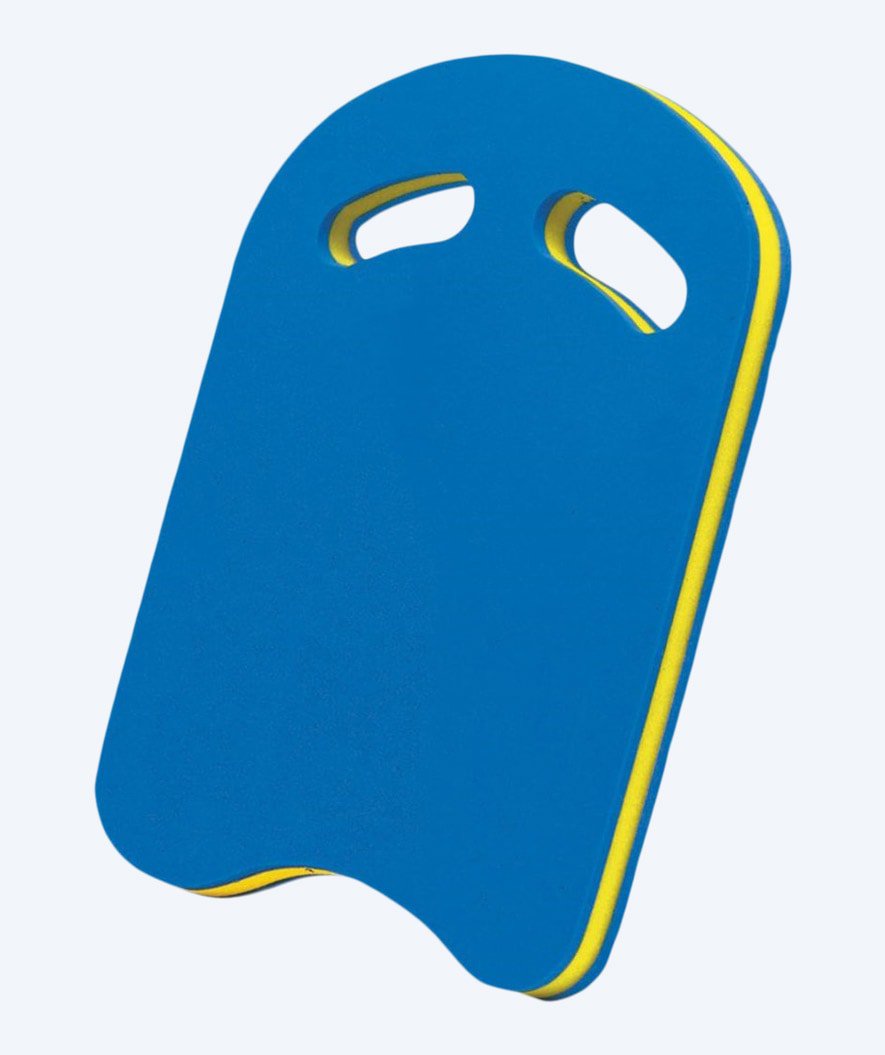
This Beco kickboard can be used by both kids and adults, but I mainly recommend it for children. It’s slightly smaller in size, making it easier for kids to handle and hold onto compared to larger models – especially for shorter arms.
Besides its smaller size, it also features grip holes for fingers right in the middle of the front section. Kids feel much more comfortable with this, as it lets them get a proper, secure grip on the board.
On top of that, it’s a really affordable model, so it won’t break the bank if you need to replace it if it gets lost or damaged.
If your child needs a kickboard that covers the essentials, is ideal for kids, and comes at an affordable price, there’s no doubt that this kickboard from Beco is your best choice.
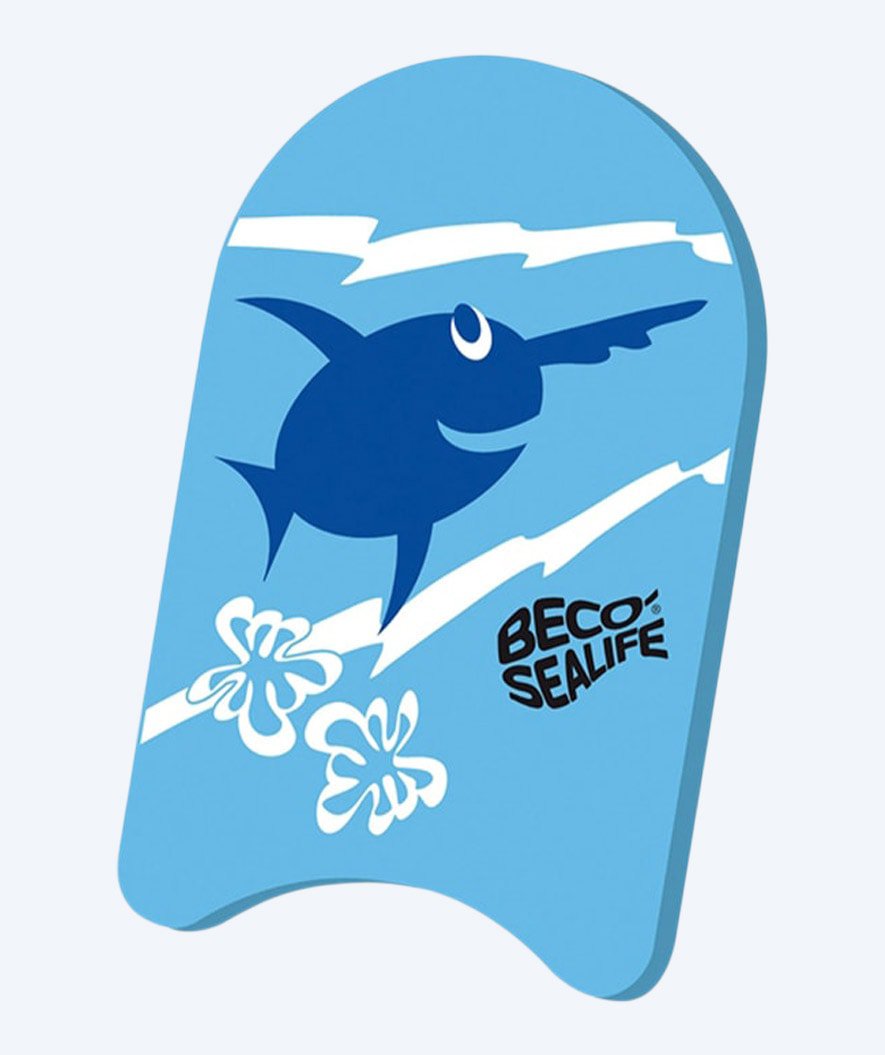
Good kicking technique has to start somewhere, and ideally right from when you start swimming lessons. That goes for young children aged 2–8 too, who would otherwise struggle massively with traditional kickboards due to their size.
That’s where this learn-to-swim kickboard from Beco comes in.
It’s specifically designed for children aged two to eight.
For instance, it’s much smaller than traditional kickboards. On top of that, it features no less than three rows of grip holes, so it can be used throughout the years from two to eight, even as their arms grow longer each year.
It’s also easy for kids to handle. Plus, it’s designed with a notch at the bottom so they can rest their head on the board while practicing kicks on their back.
The Beco learn-to-swim kickboard is hands down the best kickboard for kids aged 2 to 8. This is clear from its widespread use in swim clubs and the great feedback it gets from coaches and parents alike.
When it comes down to it, using a kickboard is all about two things: improving your kicking technique and building strength in your kick. All types of kickboards help you do this, but there are also a couple of alternatives that help you in their own unique way.
Let me tell you a bit about them now.
Sometimes it’s great to do combined leg and arm sets, where you switch between working your legs and arms. Let’s say you start by swimming 25 metres kick followed by 25 metres pull, then back to kick and once again pull.
How do you bring your kickboard back with you so you can use it again in the next round?
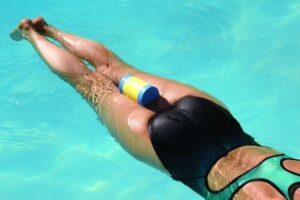
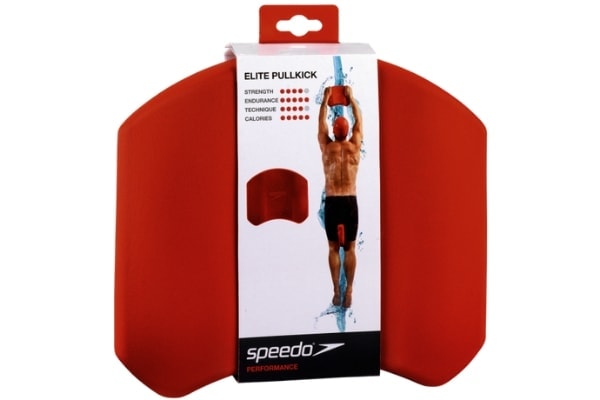
That’s exactly what a pullkick board helps you with. It’s a combined kickboard and pullbuoy, designed to be used both out in front of your head and between your legs.
So when you’re kicking and reach the other end of the pool, you just pop the board between your legs and use it as a pullbuoy on the way back. And with a shape similar to a large pullbuoy, you can be sure it won’t upset your balance or slip out while you’re pulling.
I find this super handy myself when doing combination sets with both kick and pull.
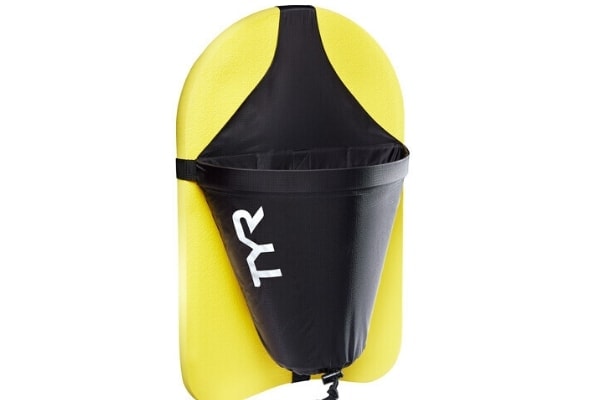
If you want to build more power in your kick, you can challenge yourself with a drag chute for your kickboard. It’s a chute that attaches to the underside of your board with a simple strap.
It increases drag significantly, so you probably won’t be the first to reach the other end during kick sets. But in return, the extra resistance will make your kick much stronger and more powerful. And that will really show when race day comes.
The TYR Riptide Kickboard Drag is famous for making kick sets considerably tougher — but also far more effective. It really tests your leg muscles and is often used when it’s time to step up the intensity.
On its own, a kickboard is a really great tool when you want to improve your leg strength and kicking technique. But if you use a kickboard in combination with a couple of other types of swimming gear, you can improve your swimming technique even more.
Below, I’ll tell you about the products you can use alongside a kickboard to get the best results.
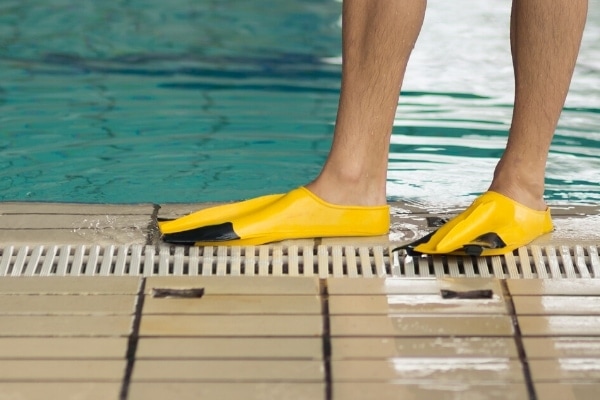
Flippers are a great training aid in their own right when you’re working on technique. But when used together with a kickboard, you can put even more focus on your kick rhythm.
With flippers, it’s easier to feel variations in your rhythm. And that’s a big plus when you want to improve your leg technique.
At the same time, combining flippers and a kickboard can also be handy if you have minor or major upper body injuries but don’t want to miss out on tough training sessions.
In that case, simply put your flippers on, hold the kickboard out in front, and kick as hard as you can to keep up with your fellow swimmers during hard sets. That way, you’ll still get your heart rate up and work your cardiovascular fitness without falling behind your club mates.
You can buy lots of different flippers here.
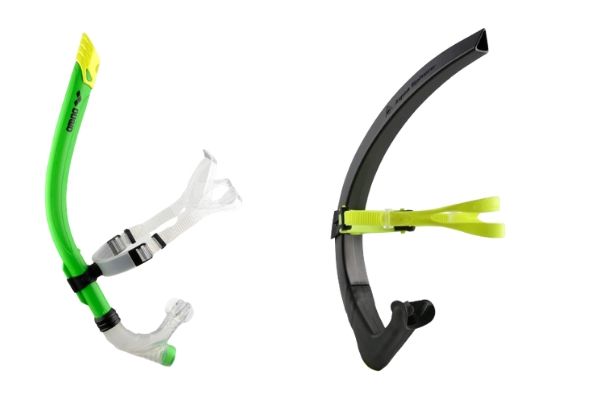
There’s one major drawback to doing kick sets with a kickboard: from time to time, you have to lift your head to breathe, which automatically causes your legs to drop the moment your head comes up.
That breaks your rhythm and leads to an unnatural body position in the water. It’s actually quite a significant disadvantage.
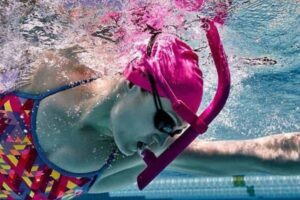
However, there’s one product that solves this issue: a snorkel.
When your kick set is about to start, just pop the snorkel in your mouth and kick away. That way, you can keep your head in your normal swimming position the entire time without having to worry about breathing.
This will give you a much more natural position in the water. You’ll also quickly feel the benefit in your neck and back, as you won’t have to repeatedly raise and lower your head while your legs are working flat out.
If you’d like to achieve a better body position during kick training, you’ll find a wide selection of snorkels here.
There are plenty of retailers selling kickboards, both online and in physical shops. That’s a good thing, because increased competition means lower prices for shoppers. But it can also make it tricky to figure out where to buy your swimming gear.
A great shout is to buy your gear from us. At Watery – the team behind Vandklar – prices are low, our Trustpilot customer satisfaction is top-tier, you get fast delivery on your order, and the team includes former elite swimmers who know exactly what swimming and swim gear are all about.