

All guides and recommendations
Best swim mesh bags – Our recommendations in 2026

Apart from swimwear, a swim cap and goggles, a pullbuoy (often spelled pullboy) is probably the most used piece of swimming gear among swimmers and triathletes. And for good reason.
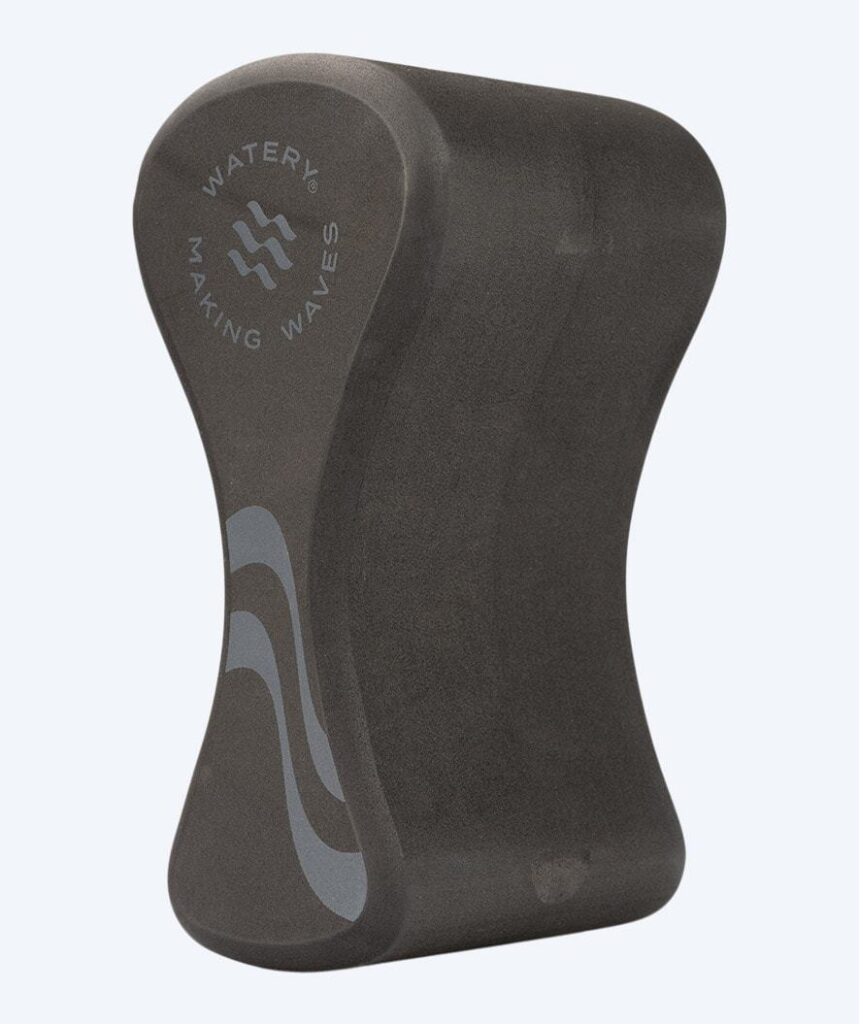
There are several great benefits to regularly popping a pullbuoy between your legs in the pool.
In this guide, I’ll explain how a pullbuoy can help you, how to use it, and which pullbuoy I recommend as the best choice.
In this guide, I’ll cover the following:
Let’s start by looking at who benefits from using a pullbuoy in their swim training. The answer is simple: everyone. Children, beginners, experienced swimmers, elite athletes, and even professionals.
A pullbuoy offers several swimming benefits that—even though they aren’t allowed in competitions—help you swim faster when it really counts.
And that’s what we all want, isn’t it? To swim faster. And ideally, faster and faster each time.
We’ve established that a pullbuoy is great for swimmers of all levels. But why is that, and how can you actually use one in your own training? Let’s take a closer look.
And let me start by telling you a bit about why using a pull buoy is so beneficial.
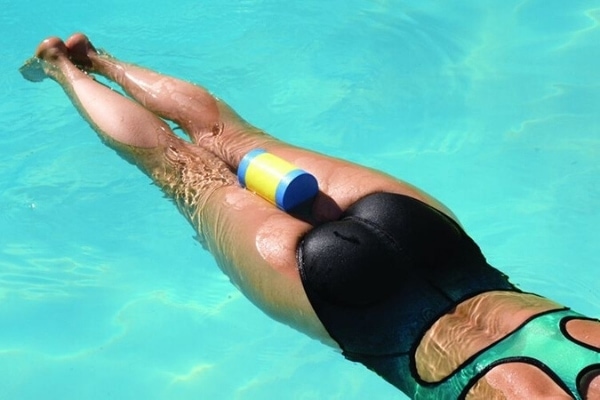
When you place a pull buoy between your legs, it helps keep your hips, bum and legs up. That means you don’t need to kick your legs to stop your lower body (especially your legs) sinking in the water and creating drag.
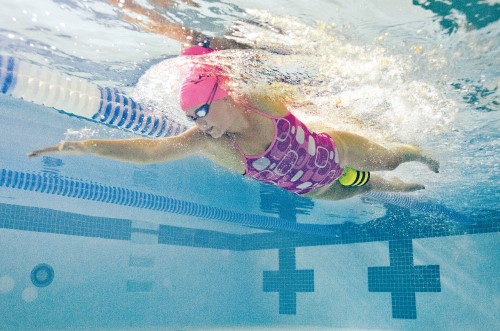
At the same time, a pull buoy means you don’t have to brace your core muscles nearly as hard to keep your legs and bum at the surface of the water.
This has the practical benefit that, with this simple piece of kit, you can concentrate fully on your arms. You save your core muscles, and because you don’t have to kick your legs, you’ll have much more oxygen available to work with your arms.
It’s no secret that kicking is the biggest culprit when it comes to oxygen consumption. By taking your legs out of the equation, you won’t get as out of breath while swimming.
Again, a pull buoy is a great piece of gear because it removes the kicking element and gives you more energy to focus solely on your arms.
Swimming with a pull buoy is much easier than swimming without one. You won’t get as out of breath, and many swimmers, especially beginners, swim significantly faster with a pull buoy between their legs than without it, because their legs stay at the surface rather than sinking towards the bottom.
It can therefore be tempting to swim with one between your legs all the time. But that won’t do you any favours in the long run.
Instead, only use a pull buoy from time to time in either shorter or longer sets. Use it specifically for technique drills or functional strength training for your arms. That’s where it really comes into its own.
For technique training, you should use it over shorter distances. Typically between 25 and 50 metres at a time, focusing on your arm stroke. You can also pair it with a snorkel, so you eliminate both the kicking and having to turn your head to breathe.
That way, you can focus 100% on your technique work.
Instead of spending hours in the gym trying to strengthen your swimming muscles, you can cut back on gym time by doing functional strength training directly in the water. And no, you don’t need to stand around working out with foam dumbbells.
Instead, place the pullbuoy between your legs and put on a pair of finger paddles. Then swim a full set just like you normally would. For example, that could be 10×100 metres, 5×200 metres, or similar.
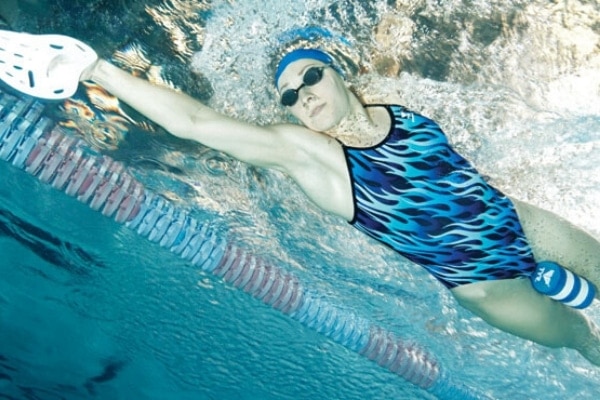
This way, you target the exact swimming muscles in your upper body under the very same conditions you experience during competitions. It builds immense muscular endurance, which will serve you well if you compete.
There are several different types of pullbuoys on the market, so figuring out which one to choose can feel overwhelming. Basically, there are two key things you need to consider:
Whether it should be symmetrical or asymmetrical. And whether it should be hard or soft.
I’ll help you figure that out in this section.
Pullbuoys are made either symmetrical or asymmetrical. An asymmetrical one isn’t the same size at both ends, whereas a symmetrical one is identical at both ends.
Examples of a symmetrical and an asymmetrical pullbuoy:
Like with anything else, there are naturally pros and cons to both types. Let’s take a look at them here:
That said, there’s no doubt that the vast majority of swimmers use an asymmetrical pullbuoy. It’s simply much easier to manage during turns and longer sets, as it stays firmly in place between your legs.
It might seem unimportant how firm a pull buoy is, but for most swimmers, it really matters. The firmness directly affects how comfortable it is to swim with over longer sessions.
What feels comfortable varies from swimmer to swimmer, of course. But below, I’ve gathered a few pros and cons for both types:
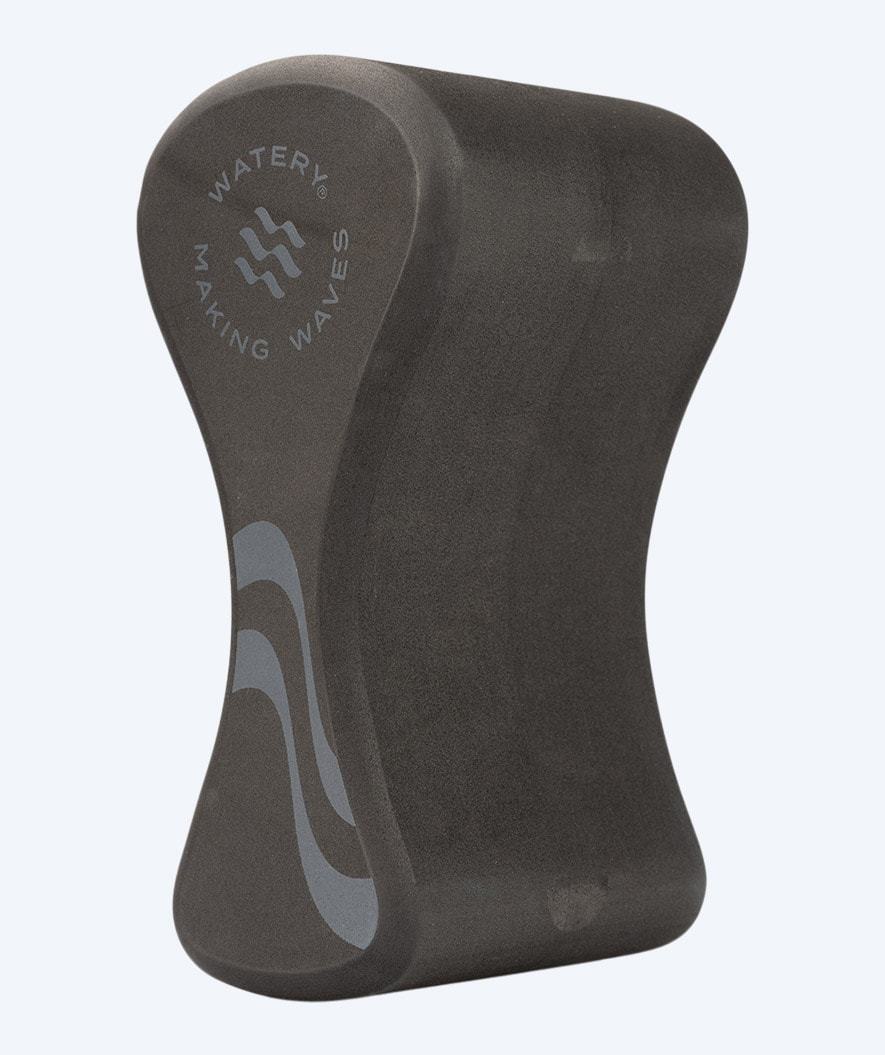
Now that we’ve covered the different types of pull buoys, it’s time to share my top recommendation. Based on user experiences and our expert insights, we rate the Watery Heat Pull Buoy as the best choice, closely followed by the Speedo Elite Pullbuoy.
The pull buoys we recommend
To pick the recommendations below, we reviewed the most popular pull buoys in Ireland and abroad, assessing them on factors like comfort, buoyancy and fit. The goal is to give you the most relevant and reliable recommendations – making it easier for you to find the right pull buoy. Here they are:
The pull buoys are evaluated on factors like symmetrical vs asymmetrical design, size, weight, price and material – as well as our editorial assessment based on experience and user feedback. It’s this overall evaluation that forms the basis for the recommendations below.
The Watery Heat Pull Buoy is hands down the best pull buoy I’ve ever used. And with my background as an elite swimmer over several years, I think that says a lot.
It has an asymmetrical design so it sits really comfortably between your thighs. Plus, it’s the firmer type, giving you great buoyancy and lift in the water.
Tumble turns are no problem at all – it simply stays right where it belongs: between your thighs. Even during swim sets with 300 to 500-metre intervals. And even though it’s on the firmer side, I’ve never experienced any chafing from it.
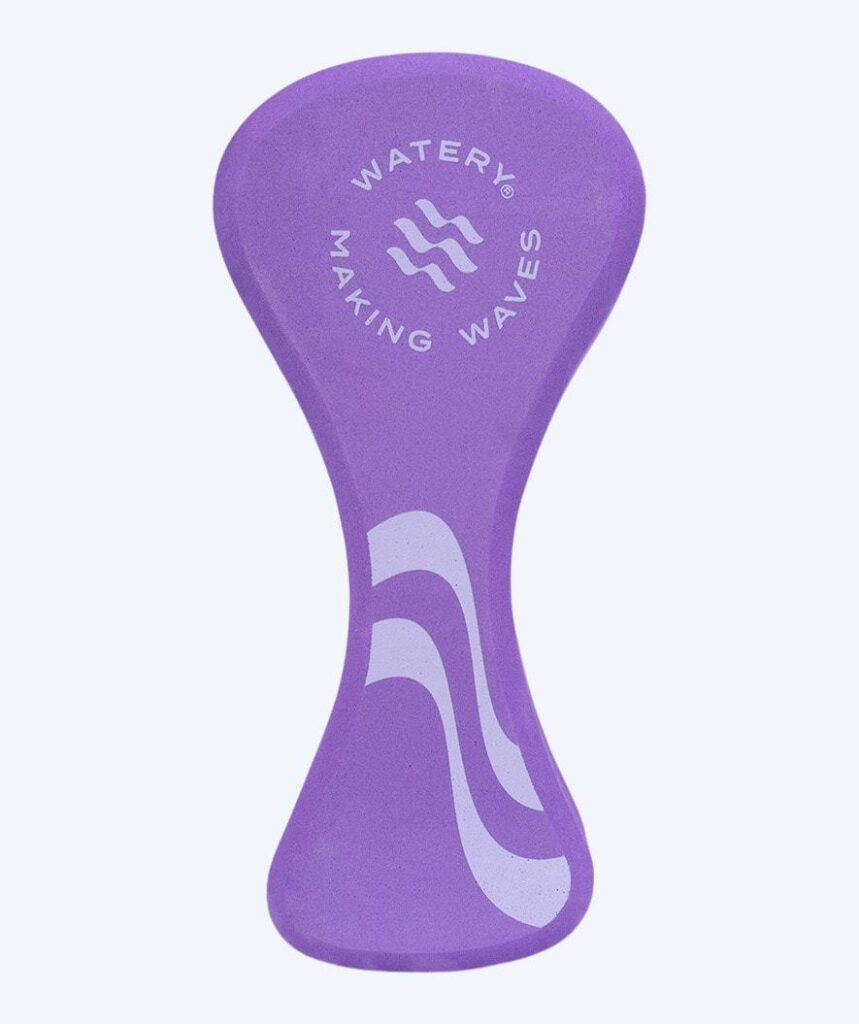
All in all, the Watery Heat Pull Buoy is the absolute best pull buoy I’ve ever swum with. On top of that, it works just as well for kids as it does for adults!
Whether you’re a child or an adult, I definitely recommend this Watery Pull Buoy
Besides traditional pull buoys, there’s also a small selection of alternative types out there. Each has its own features that can come in handy for different situations.
So let’s take a look at those now.
If you travel a lot, an inflatable pull buoy can be a great training buddy. Airlines are getting stricter with suitcase sizes and weight limits, so a standard pull buoy can easily take up too much precious luggage space.
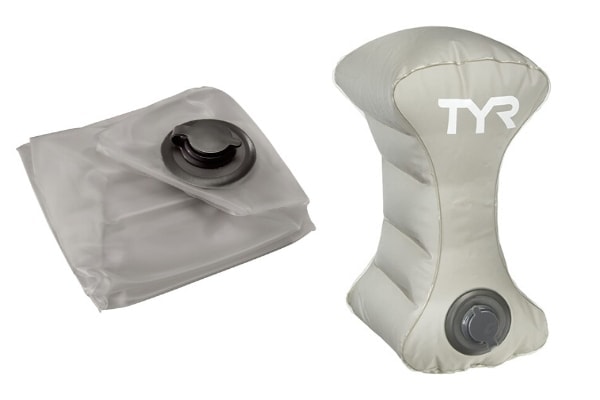
An inflatable pull buoy takes up practically no room in your bag. Once you reach your destination, you just blow it up just like classic armbands. And when it’s time to head home, you simply deflate it.
You can’t always count on swimming pools abroad having gear you can borrow. It’s always a good idea to bring your own kit from home, and an inflatable pull buoy makes that completely hassle-free.
If you need the buoyancy from a pullbuoy but still want to activate your core during your swim training, an ankle pullbuoy has thankfully been invented. It’s a piece of gear that works just like the traditional pullbuoy, but this one sits right around your ankles.
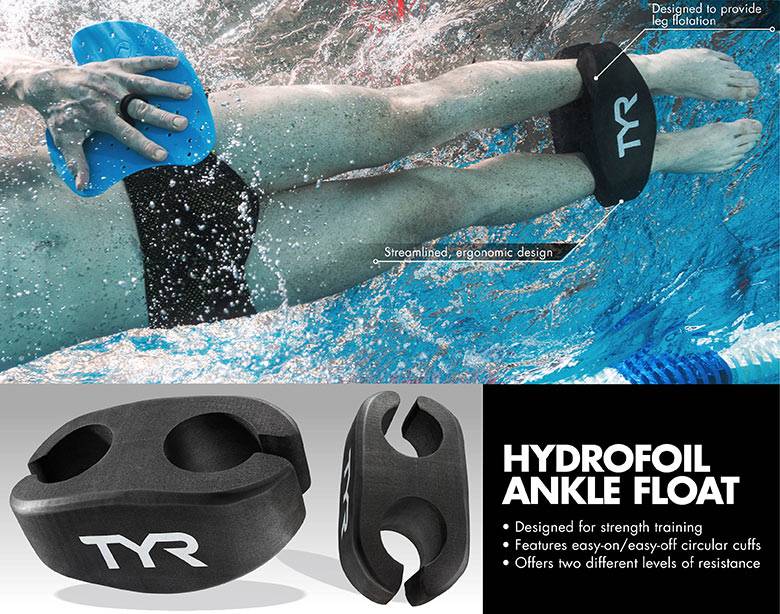
It’s a bit of a strange feeling swimming with it the first few times. But once you get used to it, you can easily feel the difference.
The ankle holes in the pullbuoy fit securely around your ankles, so the risk of your legs slipping out along the way is minimal. At least I’ve never experienced it, despite swimming somewhere around 15–20 kilometres with it in total.
You might have tried swimming a combined arm and leg set where you alternate between arms and legs? If so, you’ll know the hassle of trying to transport a pullbuoy or kickboard back and forth during the set.
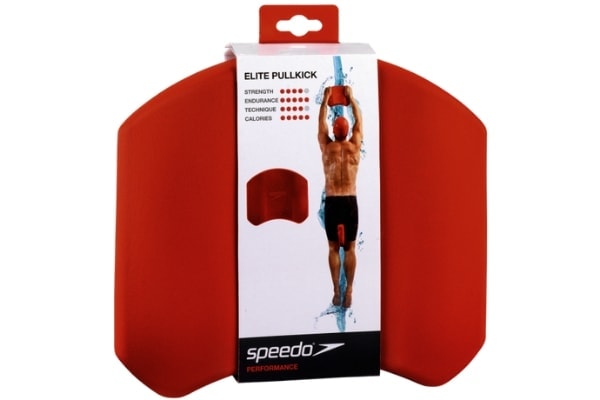
A piece of swimming gear called a Pullkick is designed for this exact purpose: to be used for both leg and arm training.
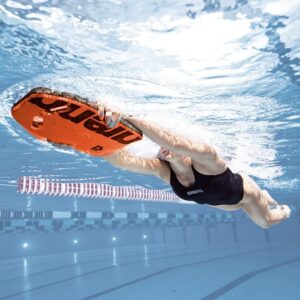
When you’re training your legs, you simply use it as a standard kickboard with outstretched arms in front of your head. And when you’re training your arms, you just place it between your legs.
That’s clever!
When you want to improve your arm technique, a pullbuoy is a great tool to help you out. But if you use your pullbuoy in combination with a snorkel, you get an even better setup for mastering your technique training.
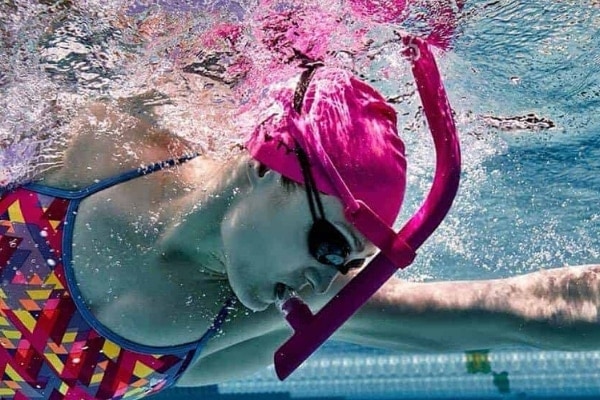
The pullbuoy takes the kicking element out of your swimming, while the snorkel removes the breathing element. This leaves you with much more focus for what you really need to work on: improving your technique.
If you want to get the most out of your swim training, you can buy a snorkel here.
Besides the technical advantage of using a pull buoy, it’s also used for isolated arm training without kicking your legs. Or as swimmers call it, just ‘Pull’. And for that purpose, finger paddles are often used.
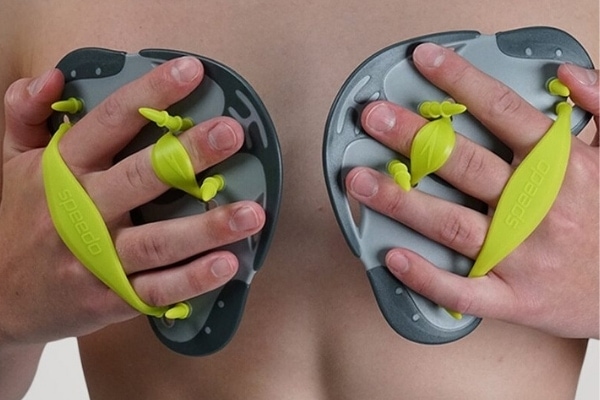
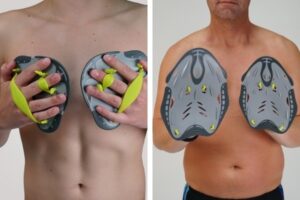
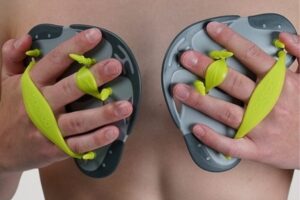
Finger paddles give you a slightly (though not massively) larger hand surface. Swimming with finger paddles counts as functional strength training, and it really builds up the power in your stroke.
All experienced swimmers regularly use a combination of a pull buoy and finger paddles—firstly to isolate the arms and secondly to strengthen specific swimming muscles. Swimmers of all levels can benefit from this.
If you’d like to build more power in your stroke, you can buy finger paddles here.
You won’t need to buy a new pull buoy very often, as once you have one, it’ll usually last for years. But when it is time for a new one, it’s important to buy it from somewhere with real expertise in the different types and when to use them.
That’s why we recommend buying swimming gear from Watery.ie – the team behind Vandklar. With years of experience in watersports and former elite swimmers on the team, we know which products actually work. If you’ve got questions about a product, you’ll get a quick answer on the customer service chat.
On top of that, the prices are competitive and delivery is quick. That makes Watery.ie a great place to pick up your next pull buoy – and all your other swimming gear.