

Open water gear
Make the most of the many opportunities in the water

Neoprene socks are a huge advantage when you are spending time in the relatively chilly Irish waters. But what exactly is the advantage of neoprene socks? Which socks are the best? When are they best to use? And where can you buy them?
In this guide, you will get a thorough introduction to everything worth knowing about neoprene socks. At the same time, we share our recommendations for which models you should consider – depending on your needs and preferences.
👆 Click on each model and jump down to the section where we review each one in depth.
 Best and most popular
  Best neoprene socks for the money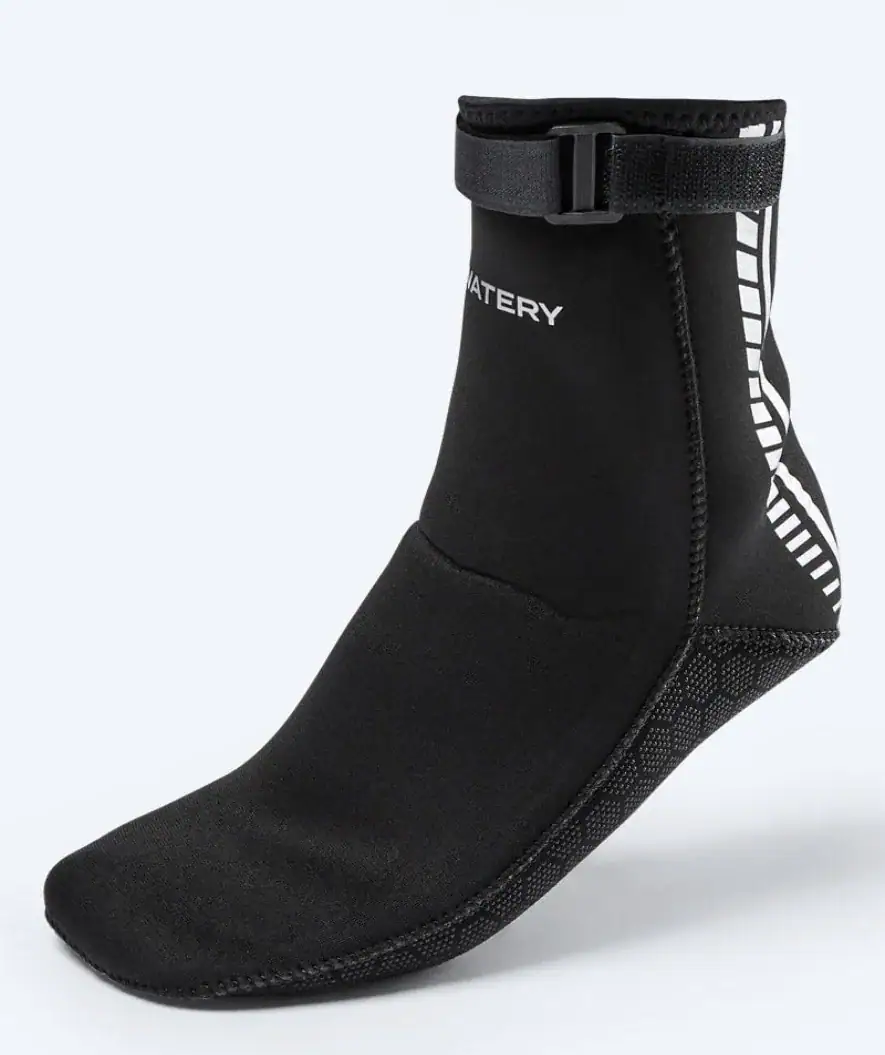
 Latest and best neoprene socks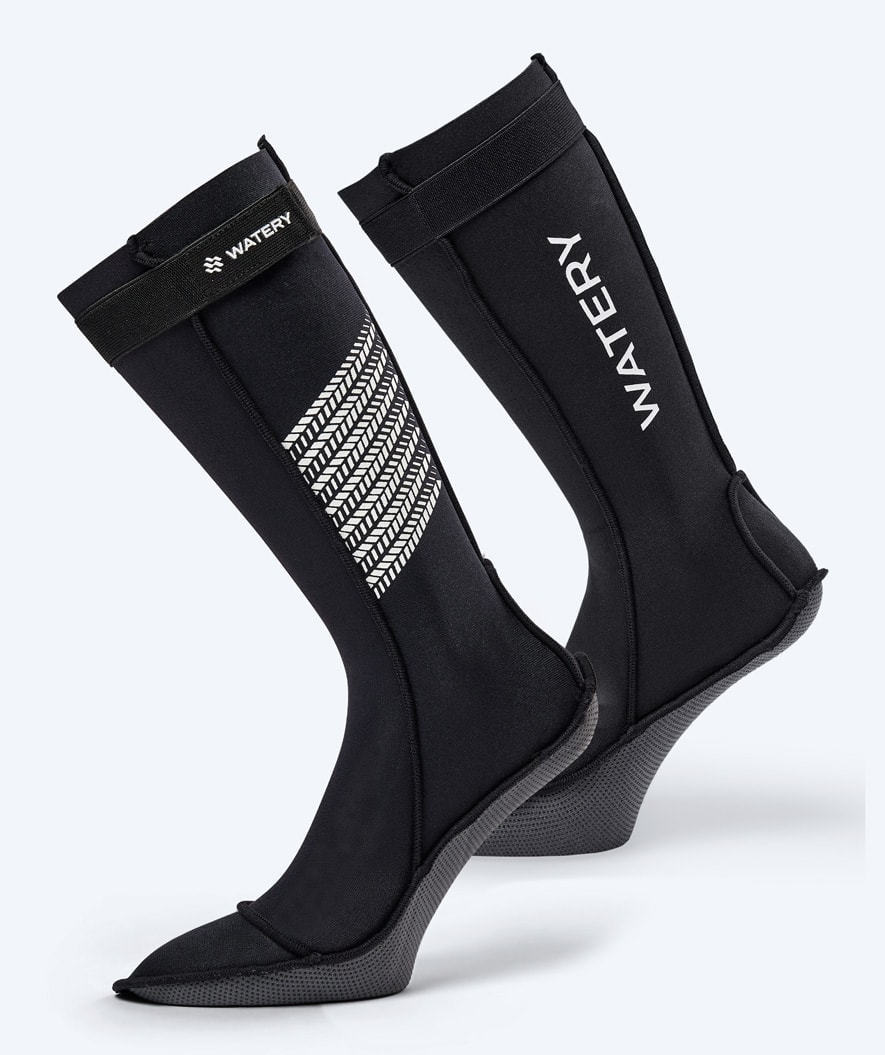
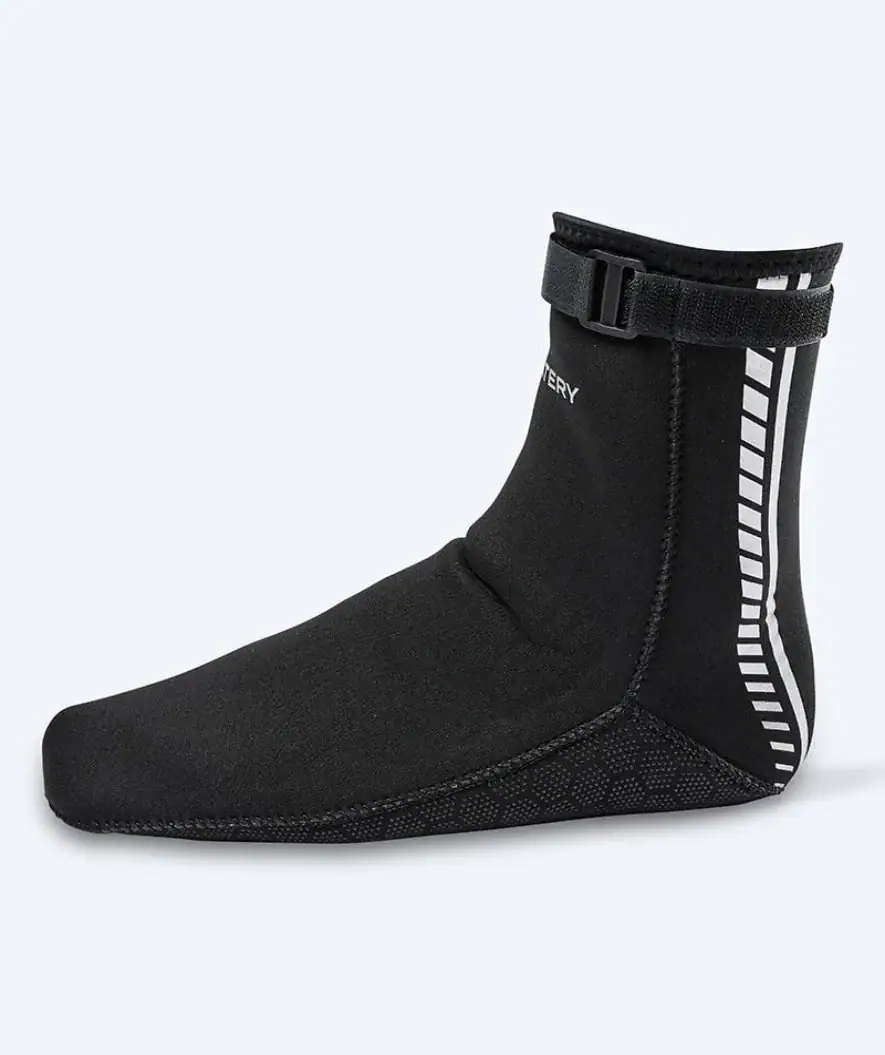
With the Watery Neoprene sock, you are equipped with a sock that keeps your feet warm, which are one of the most vulnerable parts of the body when it comes to cold. Furthermore, they have focused on making them warm without compromising on a snug fit or flexibility.
The sock is equipped with a velcro closure so that the sock has a snug fit and keeps its original position while swimming. The sock covers the entire foot as well as well above the ankle, and it can be used with or without a wetsuit
The Watery Neoprene sock is primarily black with silver reflective details combined with a Watery logo on the front, making them more visible when you are in the water.
“Really great “swimming socks”. Tried these on Monday, it felt great. Keeps the cold away from feet and ankles. (water temperature 5 degrees).” (Kerstin S.)
“Bought for an 85-year-old friend. She has recently been suffering from pain/cramps when swimming in the pool. The problem is in her feet and lower legs. The socks have solved the problem and she can enjoy her swims again.” (Lis S.)
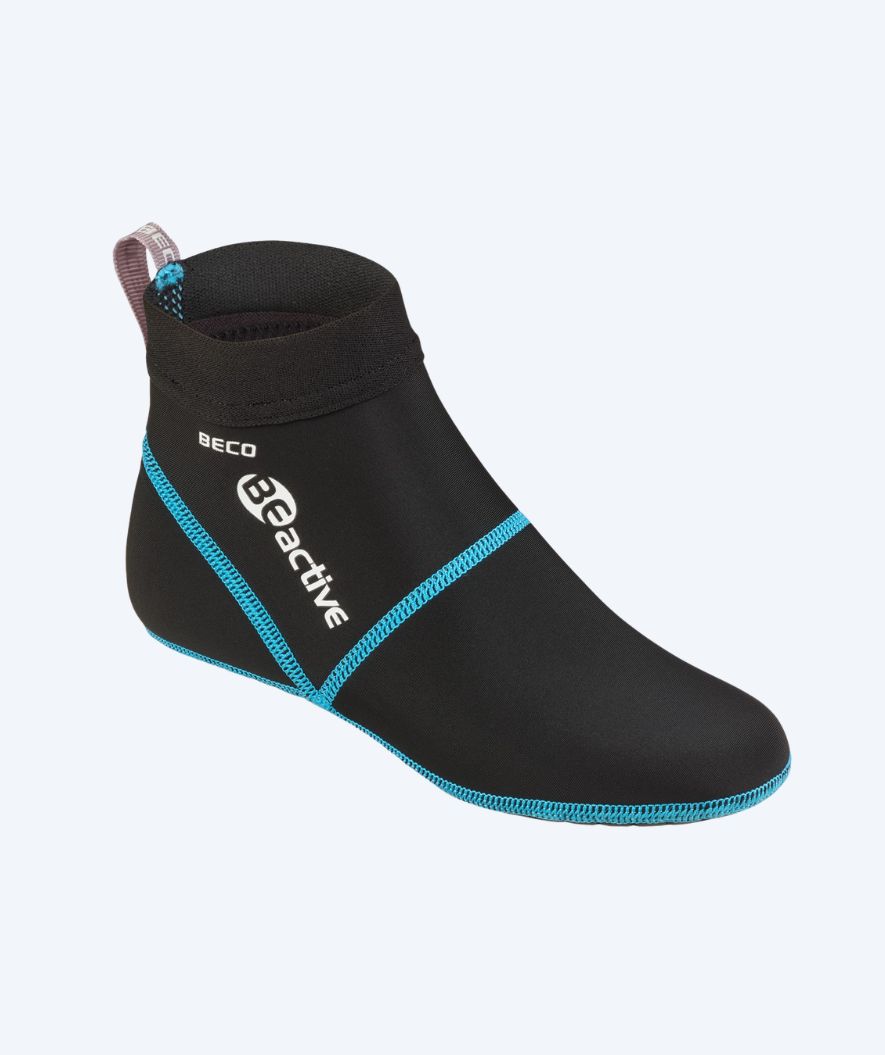
When choosing neoprene socks, it’s important that the neoprene is of high quality and that they offer a good fit. Because if they don’t fit well, they act like a parachute on your feet instead. And that certainly won’t help you move forward any faster.
And this is where these Beco Neoprene Swimming Socks truly stand out from the crowd. They fit the feet exceptionally well – snugly, but without pinching or being too tight.
Plus, they are ideal when heading into chilly water. The neoprene is 3 millimetres thick, which makes a huge difference when you want to keep your feet warm.
They also come with the massive advantage of having a non-slip sole. If you need to walk across a rocky seabed, you are guaranteed a firm footing. And that’s not to be sniffed at either, as very few beaches in Ireland have a seabed free of stones and rocks.
Based on experience and reviews, Beco Neoprene Swimming Socks are among the absolute best, which is why I clearly recommend choosing these when you’re looking to buy neoprene socks.
“Tested the socks in the sea on Christmas Day and I’m very pleased with how easy they are to put on and take off. Since they fit well and aren’t slippery when walking on snow, I couldn’t be happier. A great buy!” (Laila S.)
“After borrowing a pair of neoprene socks from a rowing buddy, I bought a pair for myself, and I’m really happy with them. They’re great during this transitional season when it can still be chilly around the ankles in the kayak, and I’ve also used them for SUP.” (Kamilla K.)
Top-quality neoprene socks. If you’ve ever tried it, you know how annoying it is: having heavy, wet swim socks that practically slip off as soon as you start open water swimming. We have, and we’ve solved it with these Calder Pro Neoprene Socks, which are part of our premium range. Featuring extra length up the leg, a Velcro strap, highly elastic 2mm neoprene that hugs your feet, and a non-slip sole—it’s no wonder the Calder Pro is our most popular neoprene sock of all.
“Fantastic. I’m impressed by how warm my feet stay in the sea with these “socks” on. I’ve just started my winter swimming adventure.. the water was 10.6 degrees and I could stay in the sea for a long time thanks to warm feet🥰 Thank you for your product.” (Jannie L.)
“I am very satisfied with the product! Highly recommended!” (Eva-Lena B.)
Before we move on to the rest, let me start by sharing a bit about when it can be beneficial to use neoprene socks. Because they really are quite a brilliant invention when you want to stay comfortable in the water.
Neoprene offers various benefits that make a big difference to your comfort.
In triathlon, many people avoid using their legs during the swim to keep them fresh for cycling and running. However, when your legs are not actively kicking, they will naturally sink toward the bottom.
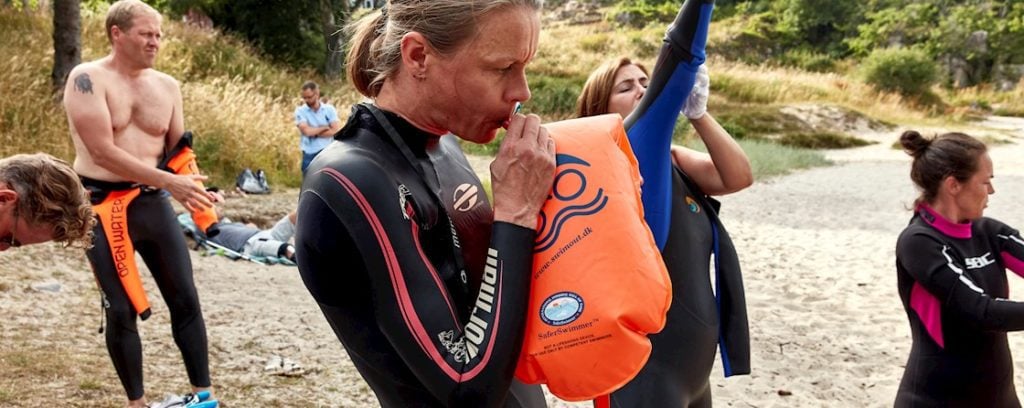
Neoprene socks help keep your legs up so they do not sink as much. For the best effect, however, it still requires engaging your core so your legs do not simply drag behind you.
Please also note that neoprene socks are not permitted in most official competitions. However, for training and in a few unofficial events, they can be a great advantage to use.
If you are a winter swimmer, or thinking of taking it up, you quickly learn that it is almost always your feet that set the limit first. The cold water and icy ground cause many to rush out far too quickly or give up on winter swimming entirely during the coldest months.
This is where neoprene socks can make a significant difference. They do not make winter swimming “warm” — it is still cold — but they make the experience more comfortable, more controlled, and for many, safer too. Especially for beginners, neoprene socks can be what turns winter swimming into an enjoyable experience rather than a harsh ordeal.
There are several good reasons why neoprene socks have become essential kit for many winter swimmers:
Not all neoprene socks are necessarily equally suitable for winter swimming. Here are the most important things you should look for:
Thickness of the neoprene socks – 3 mm or 5 mm?
For transitional seasons and mild winter weather, 3 mm may be sufficient for many people. However, if you swim during the coldest months, or if you generally feel the cold easily, 5 mm neoprene socks will be a far better choice. The thicker the neoprene, the better the insulation – but also slightly less freedom of movement.
Fit and comfort of the neoprene socks
Neoprene socks should fit snugly without being too tight. If they are too loose, the water will circulate too much, reducing the insulation. On the other hand, they must not pinch either, as this can restrict blood circulation – which is the last thing you want in cold water.
Non-slip soles on neoprene socks? – a clear advantage
For winter swimming, neoprene socks with a rubber sole or non-slip base are often an advantage. They provide better grip on slippery swimming jetties, rocks and steps, reducing the risk of slipping when your body is already affected by the cold.
It’s no secret that neoprene socks can be difficult to put on. This is especially true if your feet are wet and your neoprene socks are wet. Or vice versa. Just like with a wetsuit, which can also be a nightmare to put on if you are wet and the wetsuit is not.
When putting on your neoprene socks, it is therefore a good idea to ensure that both your feet and the socks are either dry or wet. That makes it all much easier.
That being said, I recommend putting your neoprene socks on just before you get into the water. That way, you ensure that your feet stay dry for longer, significantly reducing the risk of getting cold feet.
When you put them on, it is really just a matter of rolling them on. And then adjusting them once they are fully on.
Fortunately, neoprene socks do not require much maintenance. When you use them for the first time, simply remove any tags. And then they are ready to use.
When you are done swimming with them, simply rinse them inside out in clean water. That way, you ensure that the saltwater does not ruin them or cause them to become discoloured.
And it really is that quick and simple to extend the lifespan of a pair of neoprene socks.
This is a question we have been asked quite a few times. Neoprene socks don’t just have to be used for swimming. They can also be used to great advantage for snorkelling and spearfishing. However, they are not particularly suitable for scuba diving. And that is because the fins used for traditional diving are open-heel fins, which are designed from the factory to be used with neoprene boots.
Neoprene socks are thinner and are therefore great to use with full-foot fins, which are primarily used for snorkelling and spearfishing. Because of this, a growing child can also benefit from wearing neoprene socks in a pair of fins that are slightly too big.
That way, the child can use the same pair of fins over a longer period, instead of having to replace them after just a couple of months when the child’s feet have grown too big.
Neoprene socks can also be very useful for extending the snorkelling season in Ireland by a month or two. The extra thermal insulation they provide makes it much easier to stay warm in chilly water.
When heading to the swimming pool, lake, or beach for a swim, neoprene socks are not the only neoprene product that can help you. There is also a small range of other neoprene products that help you with both buoyancy and staying warm.
And I will introduce you to those products below.
A wetsuit is probably the most well-known piece of neoprene swimming gear. It provides plenty of buoyancy and is essential for open-water swimming in the relatively cool Irish waters.
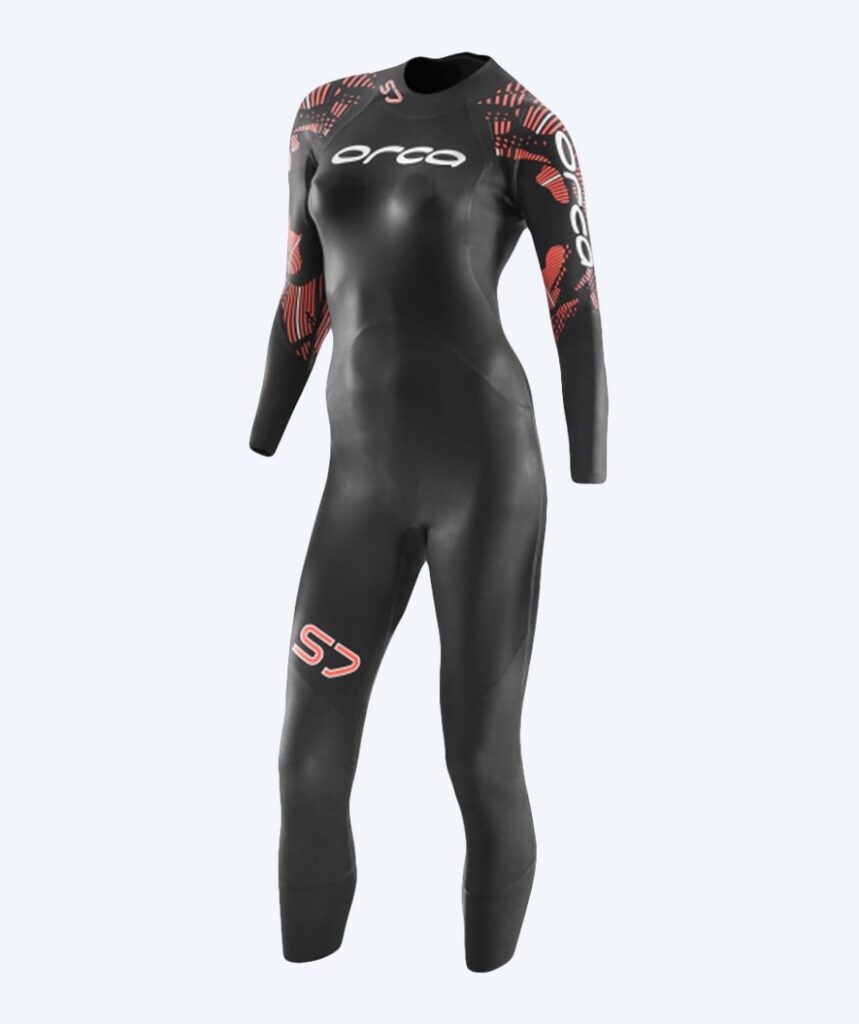
There are many different qualities and features when it comes to wetsuits. Some suits are thin, offering optimal freedom of movement. Meanwhile, other wetsuits are thicker, providing better insulation and buoyancy, but at the expense of mobility.
Which features you should look for depends on your swimming level and the temperature of the water you will be swimming in. But if you check out wetsuits here, there is a great breakdown of which suits are best suited for different conditions and swimming levels.
Neoprene jammers are essentially a wetsuit that only covers from the knees up to the waist. They are not primarily used for warmth, but rather to provide buoyancy. This is an advantage when you are swimming in the pool and are a beginner or a less experienced swimmer.
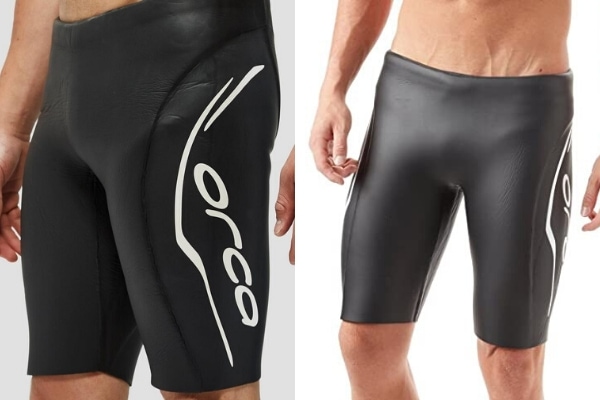
However, if you are swimming in open water during the shoulder seasons (April and October), wearing neoprene jammers under your wetsuit is a great idea. It provides extra insulation around your thighs, hips, and groin area.
If you plan on swimming in open water during the shoulder seasons, neoprene swim gloves are a distinct advantage. They work just like neoprene socks, but for your hands. And they really help keep your hands warm.
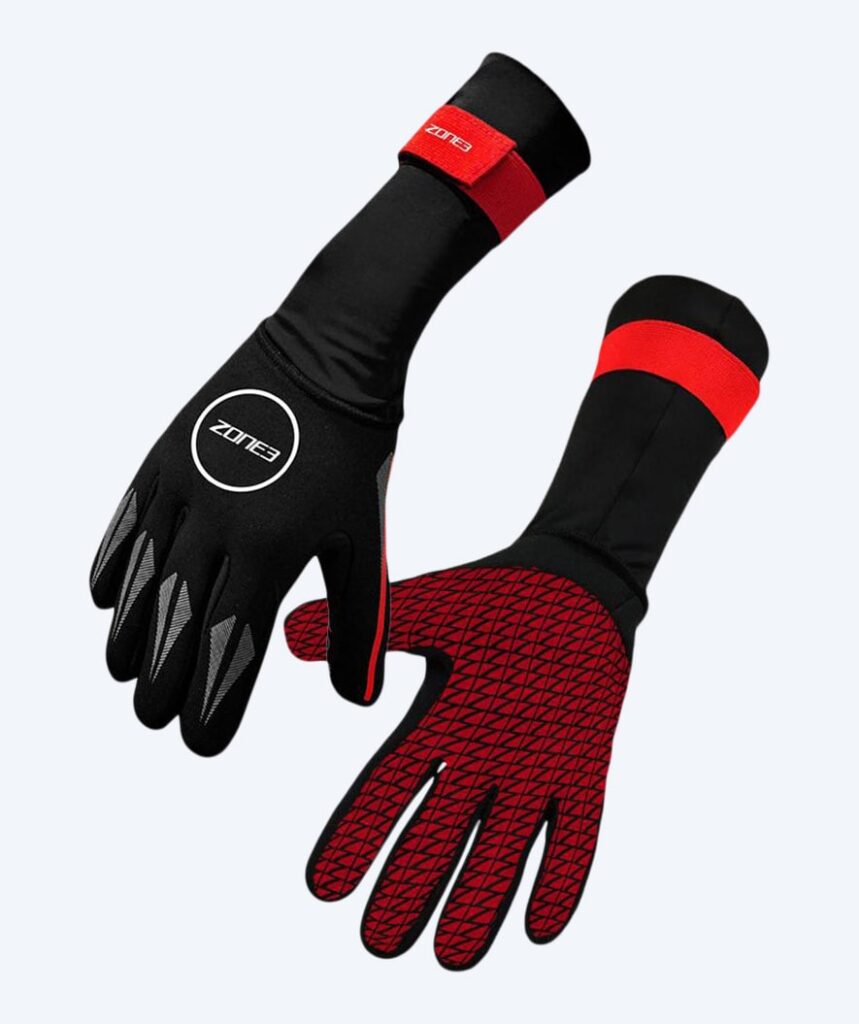
Keep in mind that neoprene swim gloves slightly reduce your feel for the water. But if the choice is between not swimming at all or swimming with a slightly reduced feel for the water, most people would choose to swim regardless. I certainly would, any day of the week.
The final addition to the range of neoprene products is a neoprene hood. It also helps you stay warm in the water by providing insulation for your head. And protecting your head is especially crucial when swimming in open water.
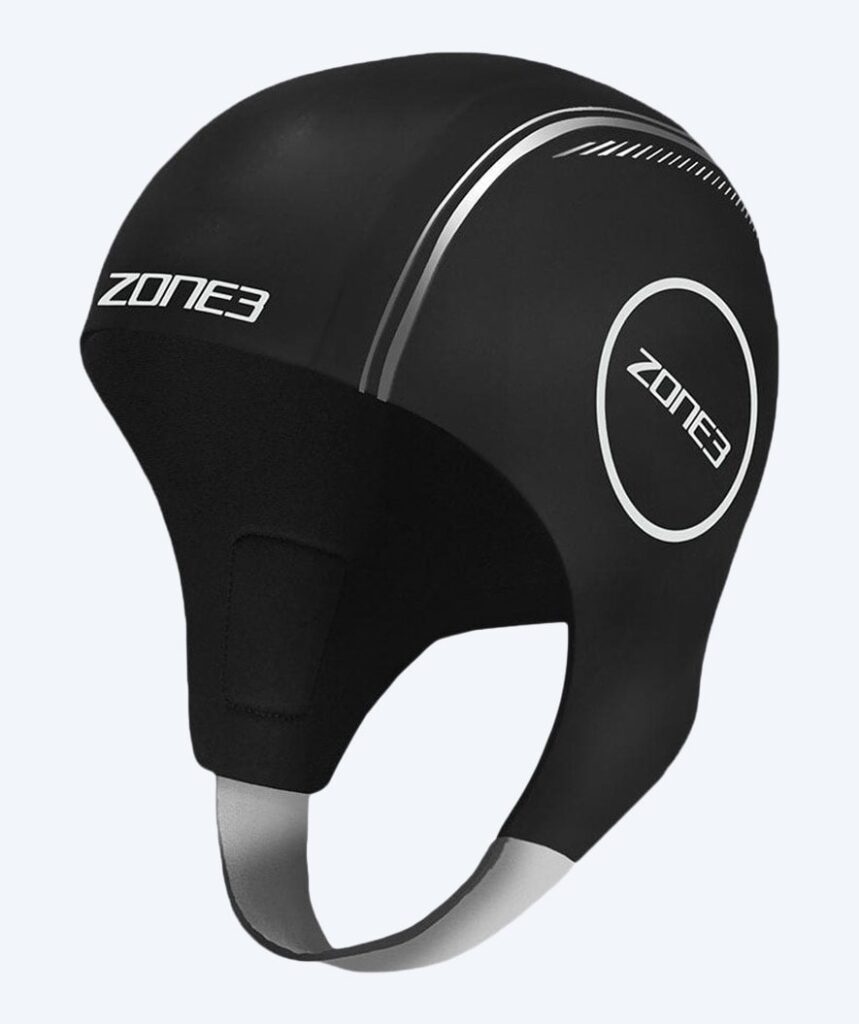
If your head becomes hypothermic, it becomes difficult to think clearly. And the colder you get, the more dangerous it becomes.
That is why a neoprene hood is an absolute must if you are swimming in open water during the shoulder seasons or in the early and late open-water season.
Neoprene socks aren’t always easy to come by. The niche for neoprene socks is simply too small for most sports shops to carry them in stock. But at Watery, you’ll find a wide selection of neoprene socks as well as other neoprene gear for swimming, snorkelling, and diving.
Here, we offer fast delivery, reasonable prices, and a Trustpilot trustscore that is right at the top.
We have many customers who buy all their swimming gear through Watery – and they are always satisfied. That’s why I recommend that you also choose Watery when you need to buy neoprene socks.