All guides and recommendations
Best gear for winter swimming in 2026 – See our recommendations for winter swimming gear

You’ve definitely seen them across Irish waters: paddleboards gliding across the surface, offering great exercise alongside unique encounters with nature. SUP has truly become a favourite activity here, as it’s so accessible – whether you’re looking for a proper cardio workout or relaxing paddles along the coast.
But what gear should you choose to get off to the best start? The market is extensive, and it can be tricky to navigate the wide range of models and technical specs. In this guide, we’ve rounded up our top recommendations for the best paddleboards and must-have accessories to make your time on the water safer and more enjoyable.
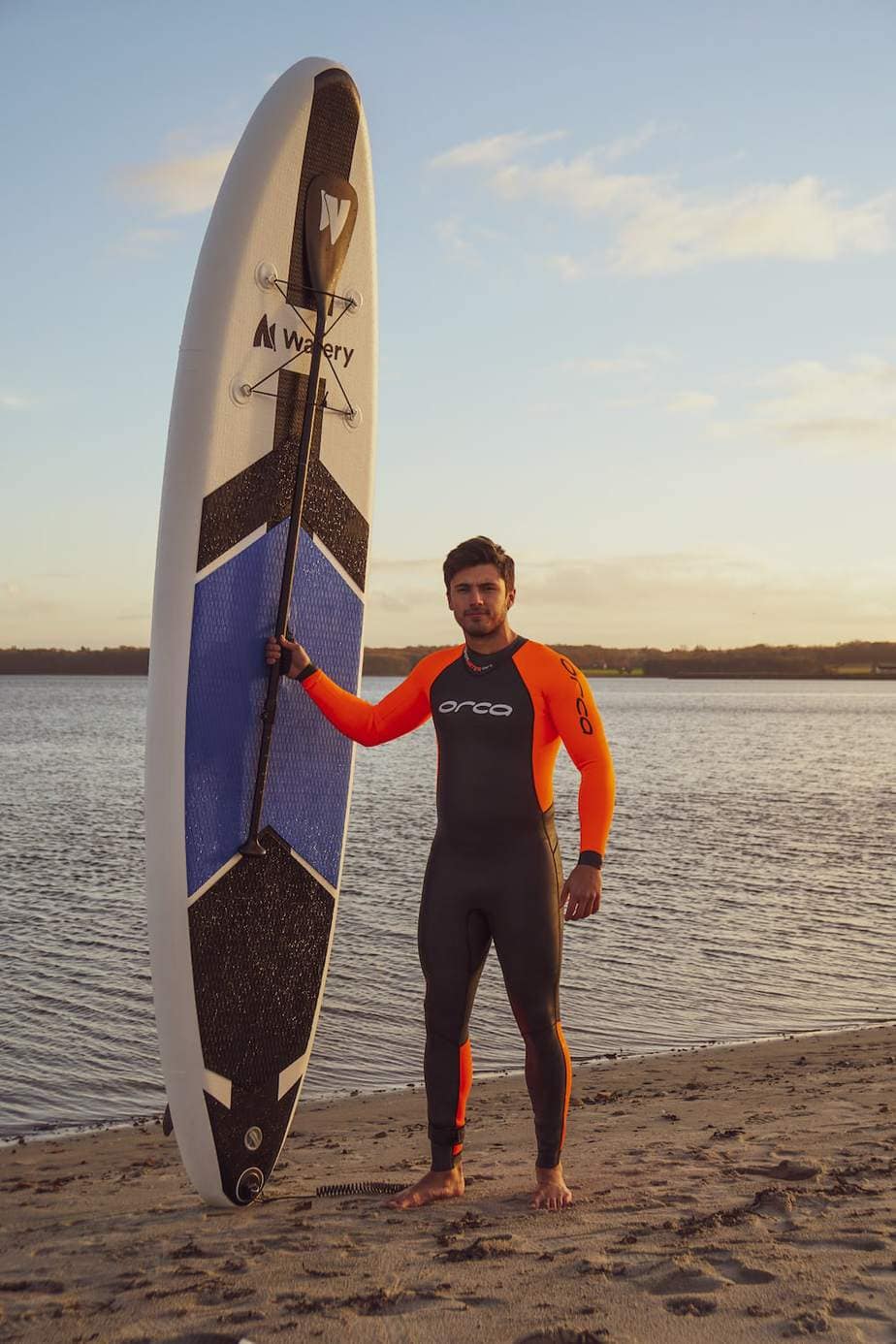
 Watery Inflatable Paddleboard - Global 10'6 (Blue)
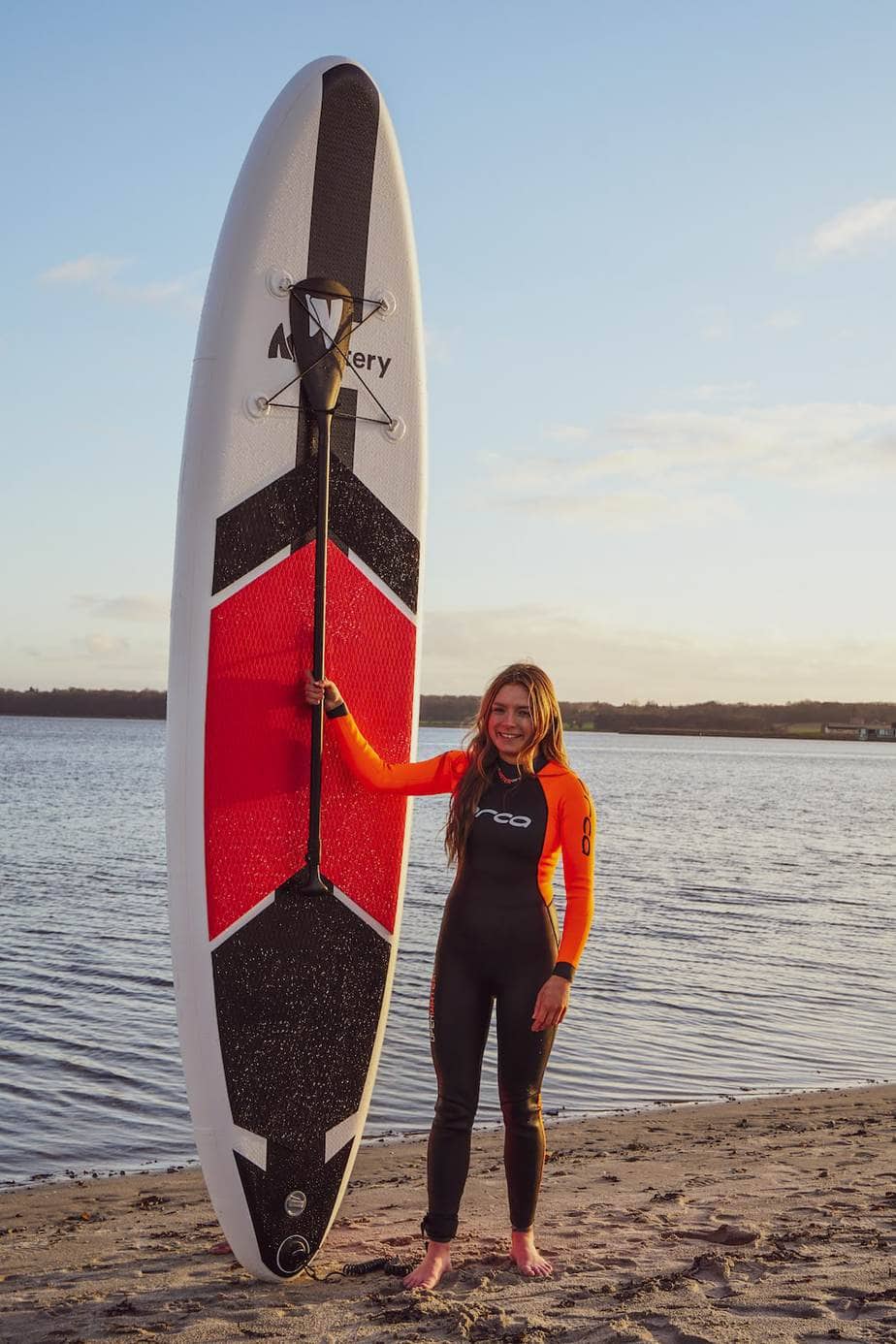
 Watery Inflatable Paddleboard - Global 10'6 (Red)
Navigating gear like pressure gauges and fins might sound technical, but with the Watery Global 10’6, the process is made incredibly simple and intuitive. The idea behind the design is to make the journey from the car boot to the water’s surface as short and effortless as possible.
Unlike classic hard boards that require roof racks on the car and plenty of storage space, the Global model features a smart and practical design. You simply start by unrolling the compact board on a flat surface. Once done, you connect the included pump, which quickly transforms the soft fabric into a rock-hard and stable board.
See the complete step-by-step guide to setting up the Watery paddleboard here
It is the advanced drop-stitch technology inside that ensures the board keeps its shape and provides the necessary buoyancy as soon as you step out onto the water.
We know that ease of use is essential. When we tested the setup, it took us just 9 minutes from taking the board out of the bag until it was fully inflated, the fin clicked into place, and we were ready at the water’s edge. This makes it ideal for anyone who wants spontaneous adventures on the water without the setup taking up all their free time.
Based on customer experiences and feedback, we recommend Watery’s inflatable all-round paddleboard as an obvious choice for both beginners and experienced paddlers. It has the optimal size for the vast majority of people, measuring 320 cm in length and 80 cm in width — the same dimensions as many other popular paddleboards.
Along with the board, you get all the necessary equipment (with a few exceptions), so you can get an easy start to your paddleboarding adventure. Included with the board is:
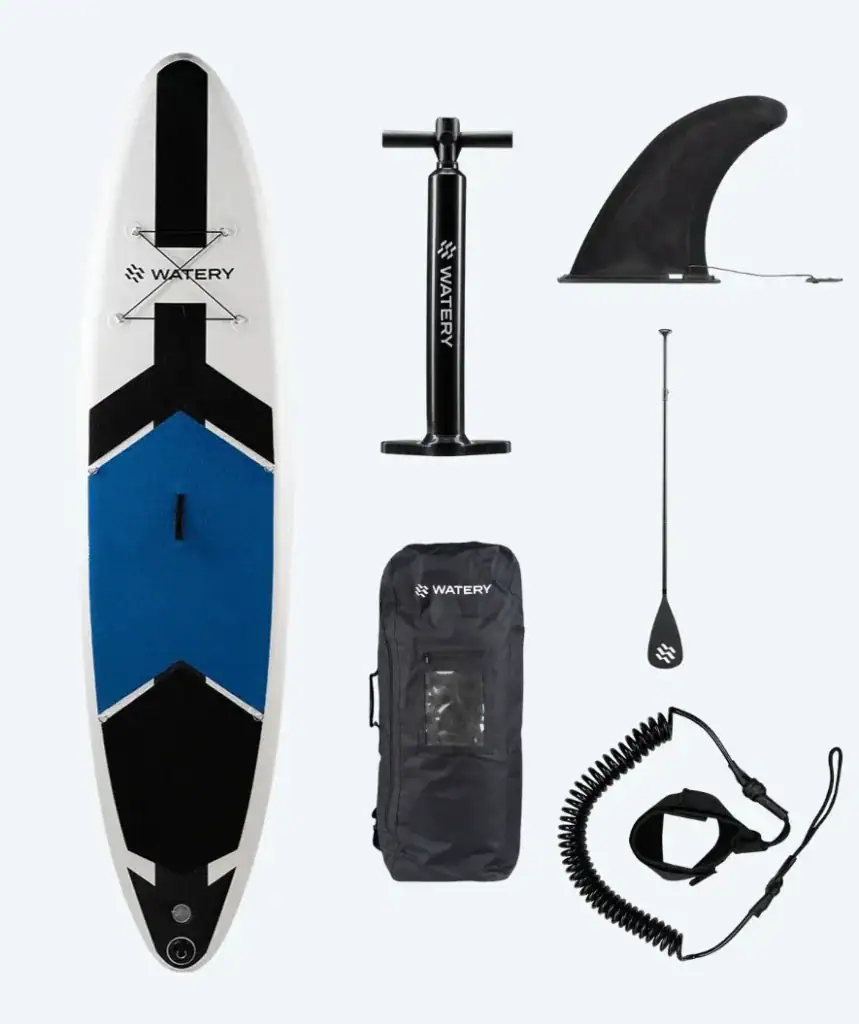
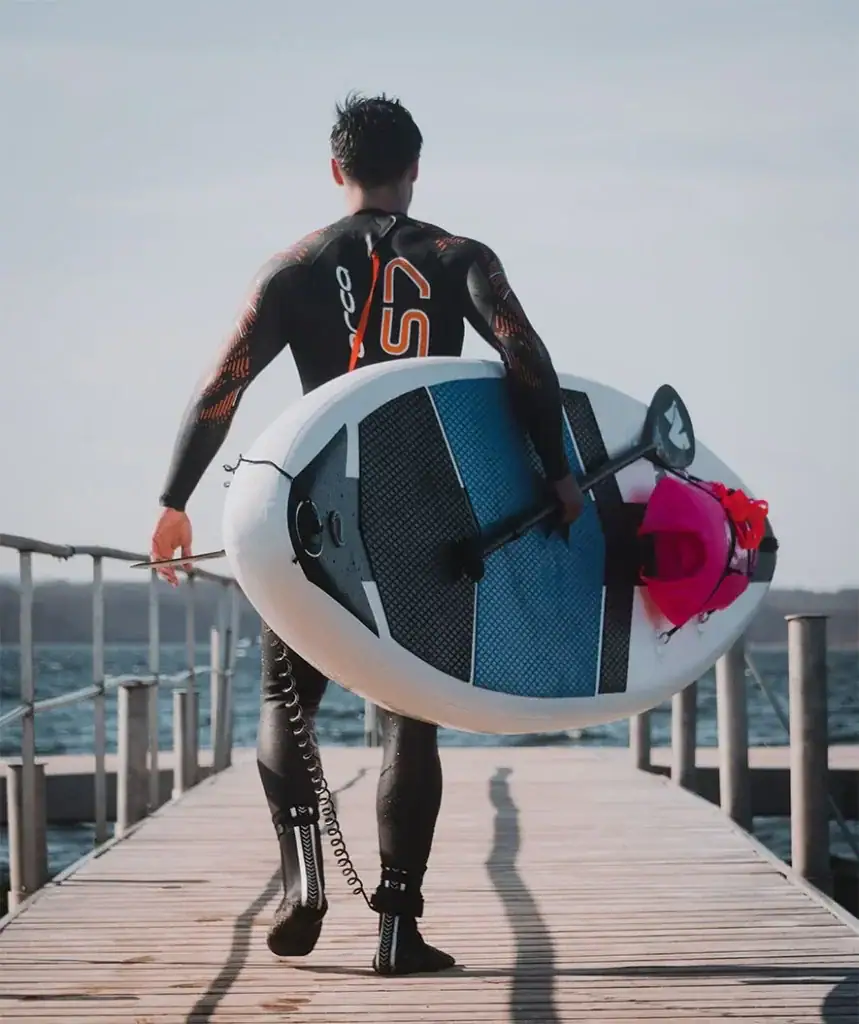
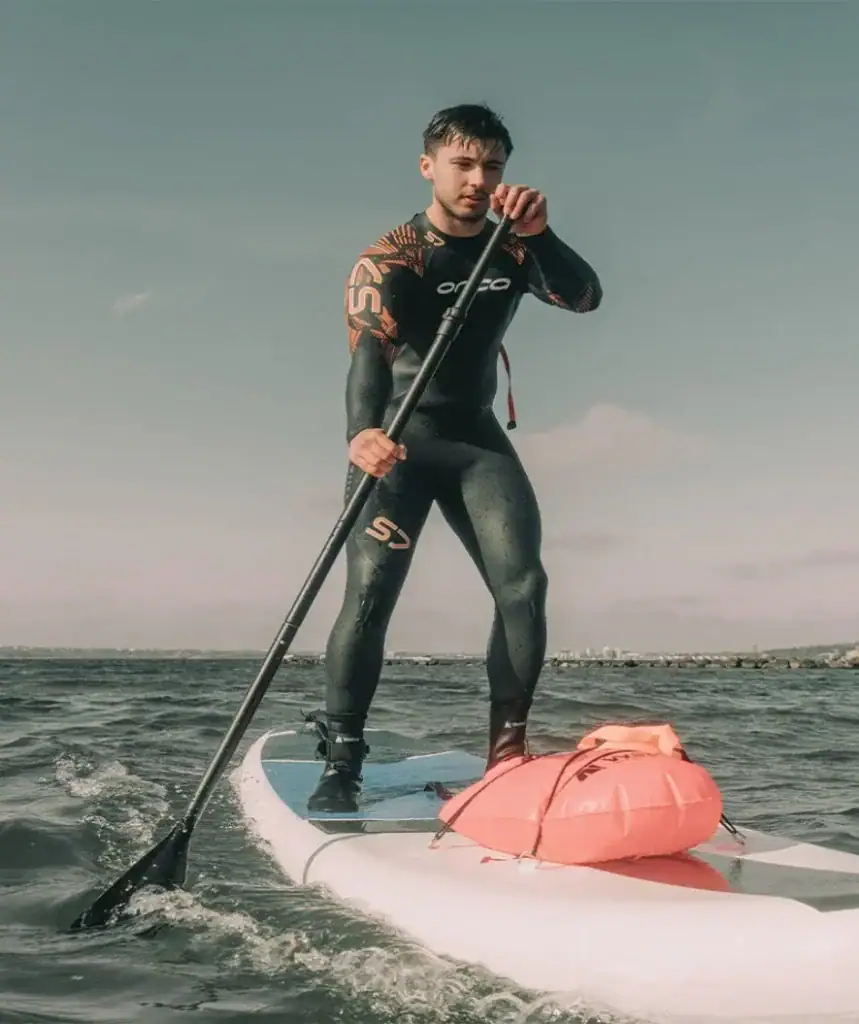
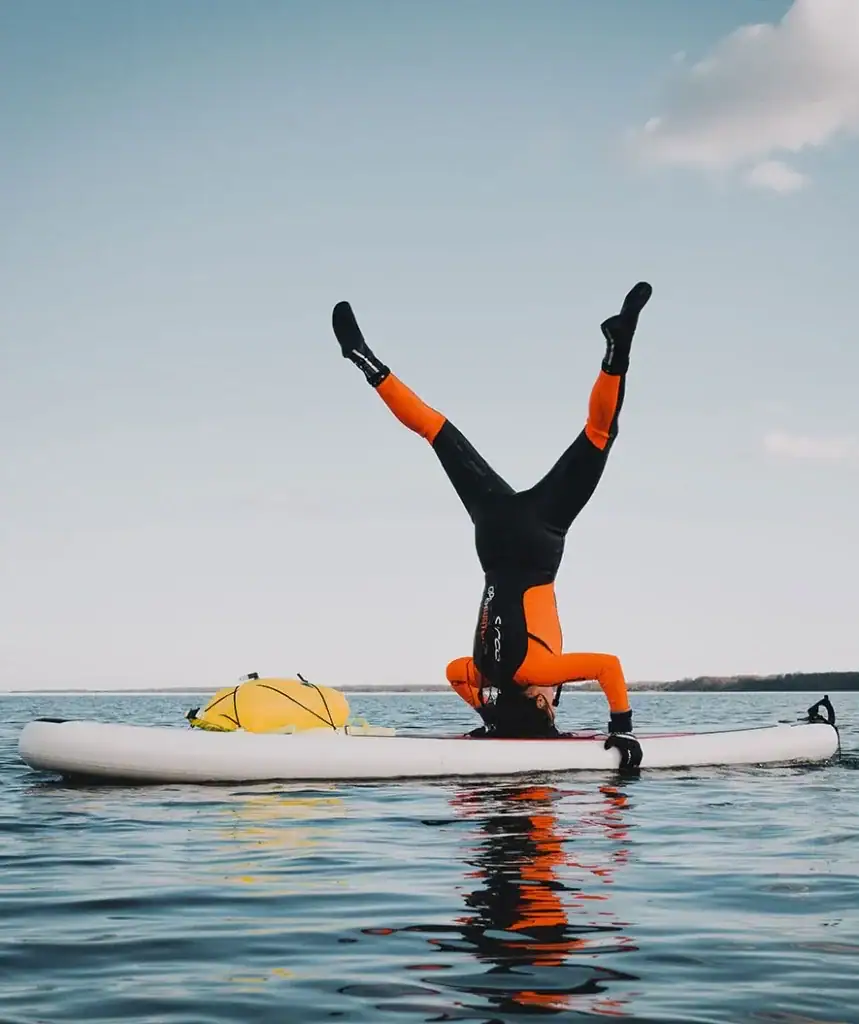
One of the greatest advantages of Watery’s “Global” paddleboard is how quick and easy the setup is. Below is an ultra-simple setup guide. Although a detailed manual is included, we have created this guide to show you exactly how easy it is to get the board ready for the water.
Watch the paddleboard setup in the video below.
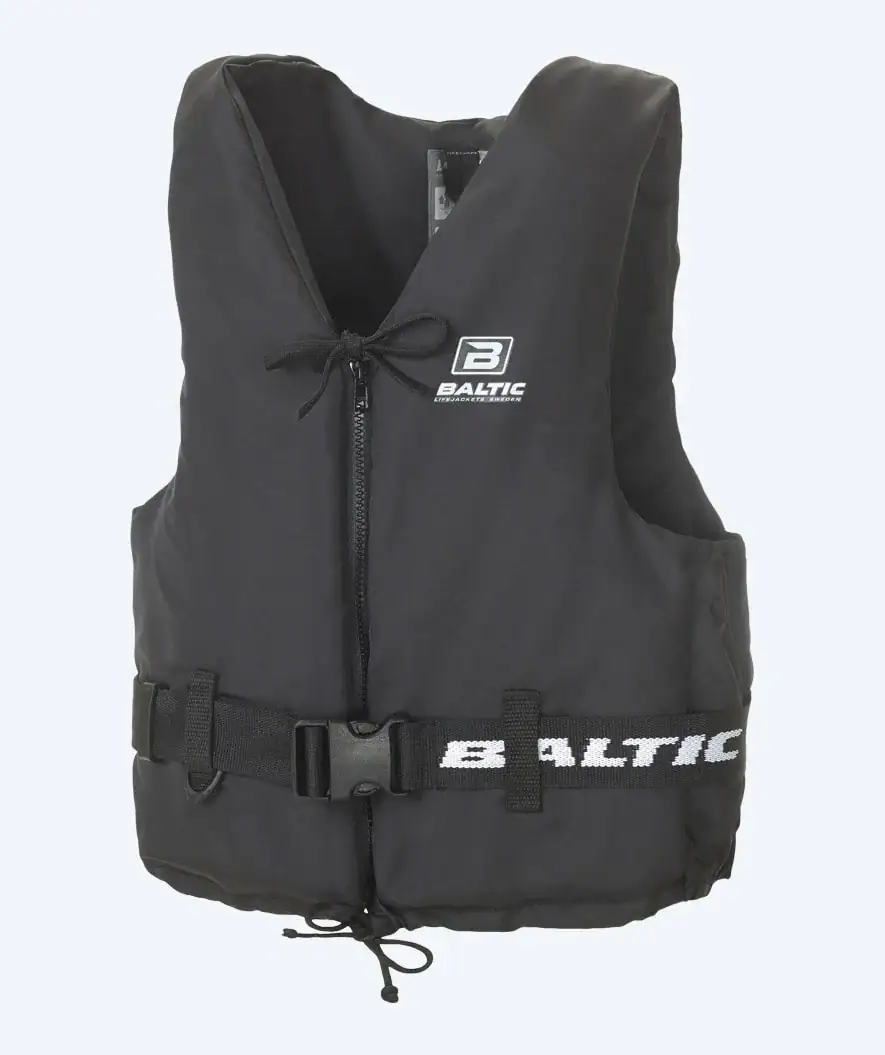
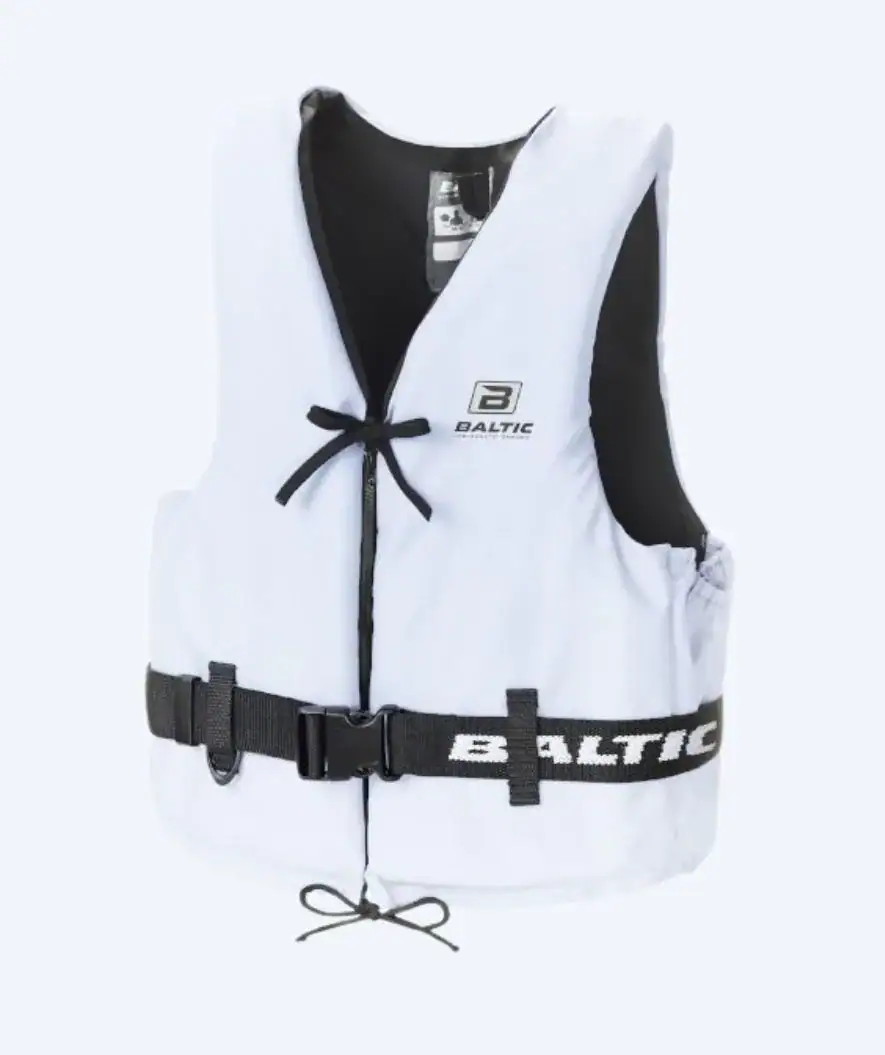
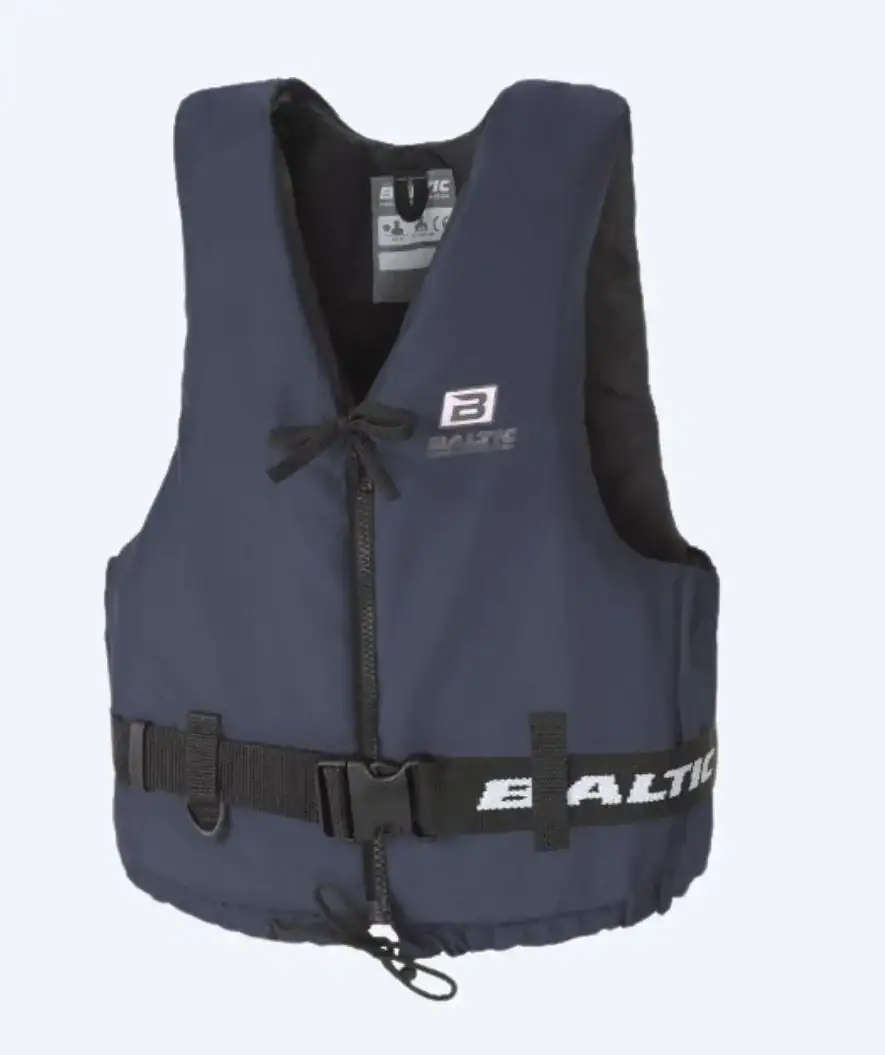
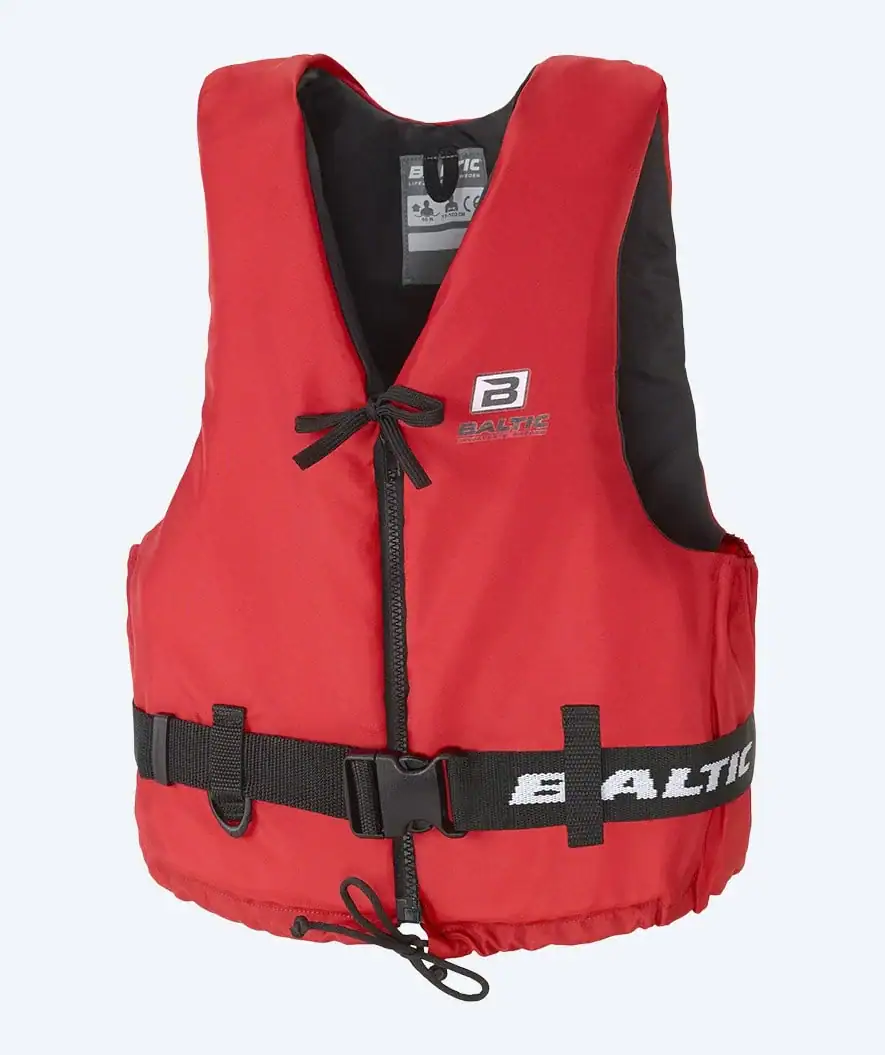
Even though paddleboarding is all about freedom and relaxation, safety always comes first. A good buoyancy aid is not just a legal requirement; it is your peace of mind if fatigue sets in or you get caught off guard by currents and wind.
The Baltic Aqua Pro is designed specifically with freedom of movement in mind. Unlike bulky, clumsy life jackets that can get in the way when you paddle, this model features a slim fit and deep armholes. This means you can take long, effective paddle strokes without any resistance or irritation.
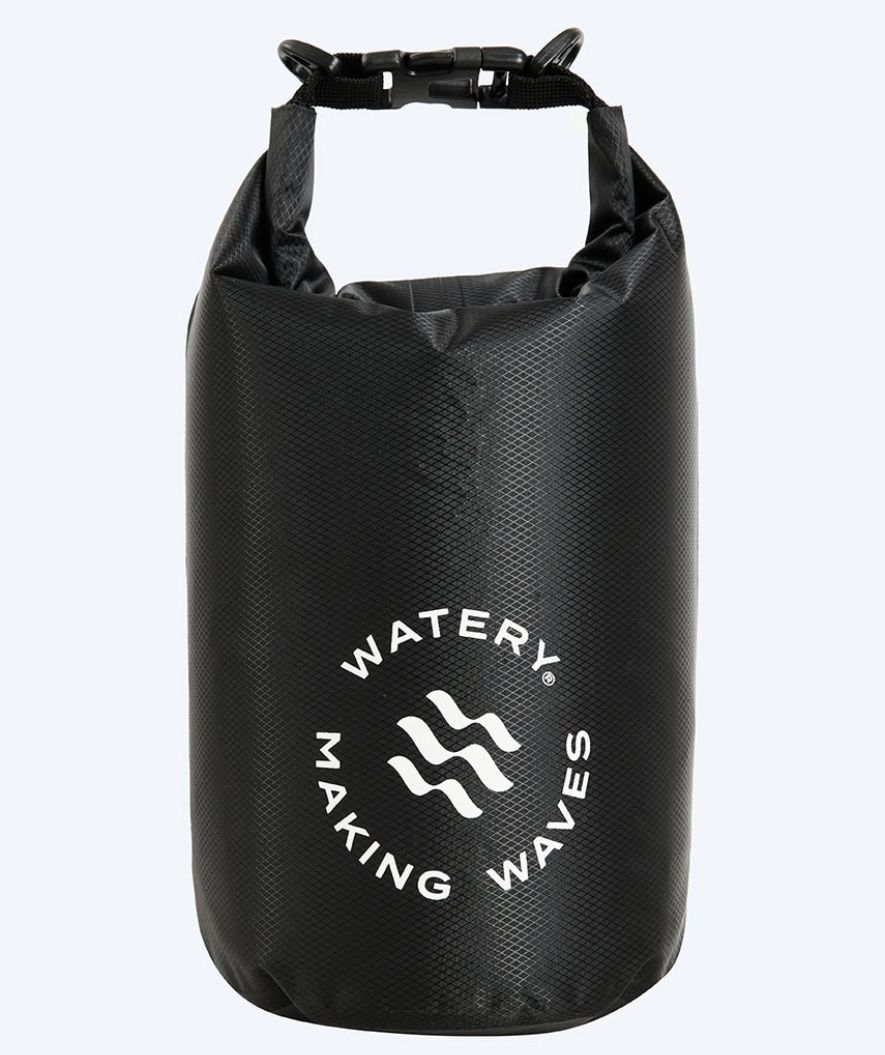
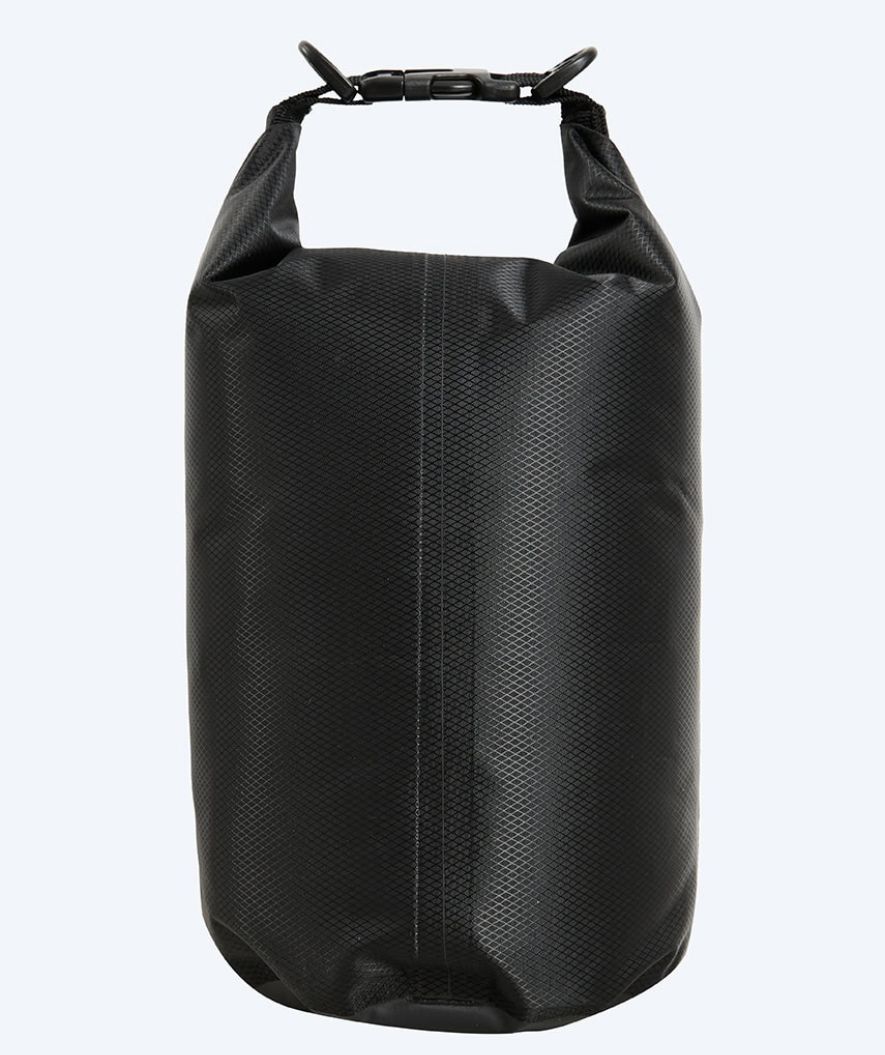
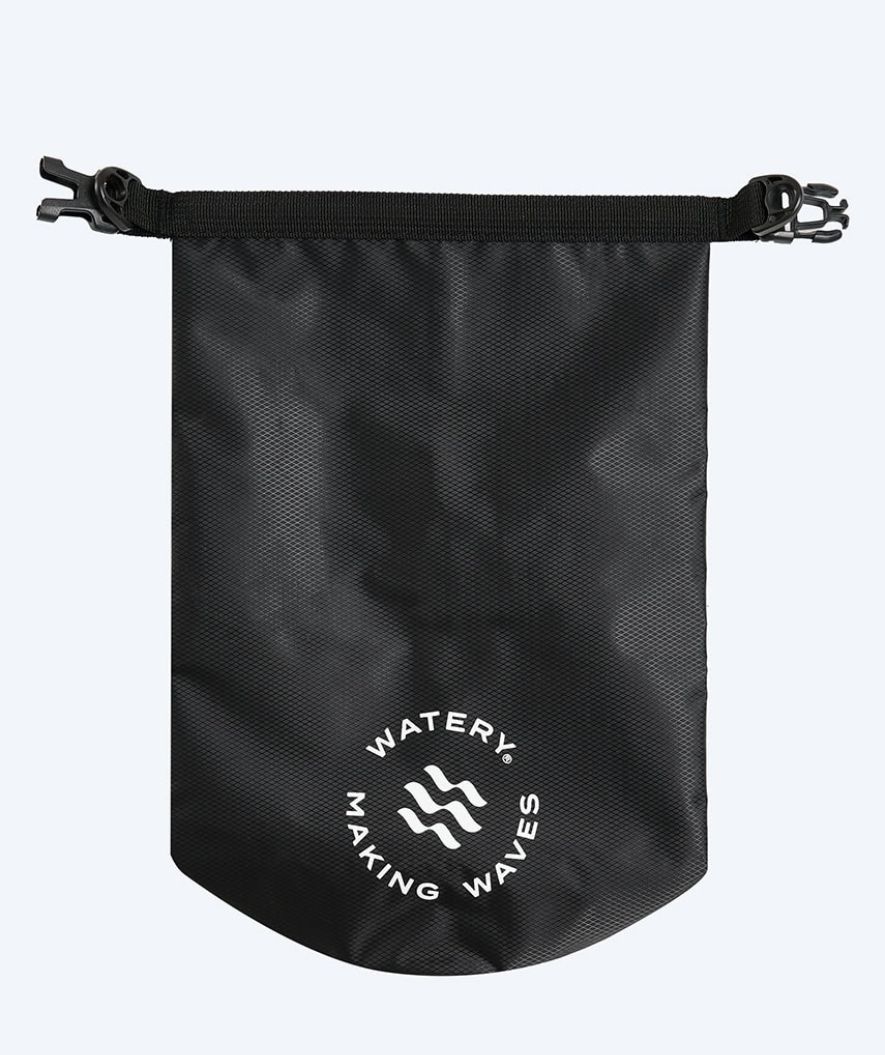
When you head out onto the water, nothing ruins the experience quite like worrying about a wet phone or a soaked towel. A waterproof dry bag is therefore perhaps the most underrated accessory for your SUP trip.
The Watery 5-litre Wet/Dry bag is the ideal size for a day on the water. It is compact enough to fit under the bungee cords on the front of your board, yet spacious enough to hold all the essentials: your phone, wallet, sunscreen, and a dry T-shirt.
Best wetsuit for paddleboarding 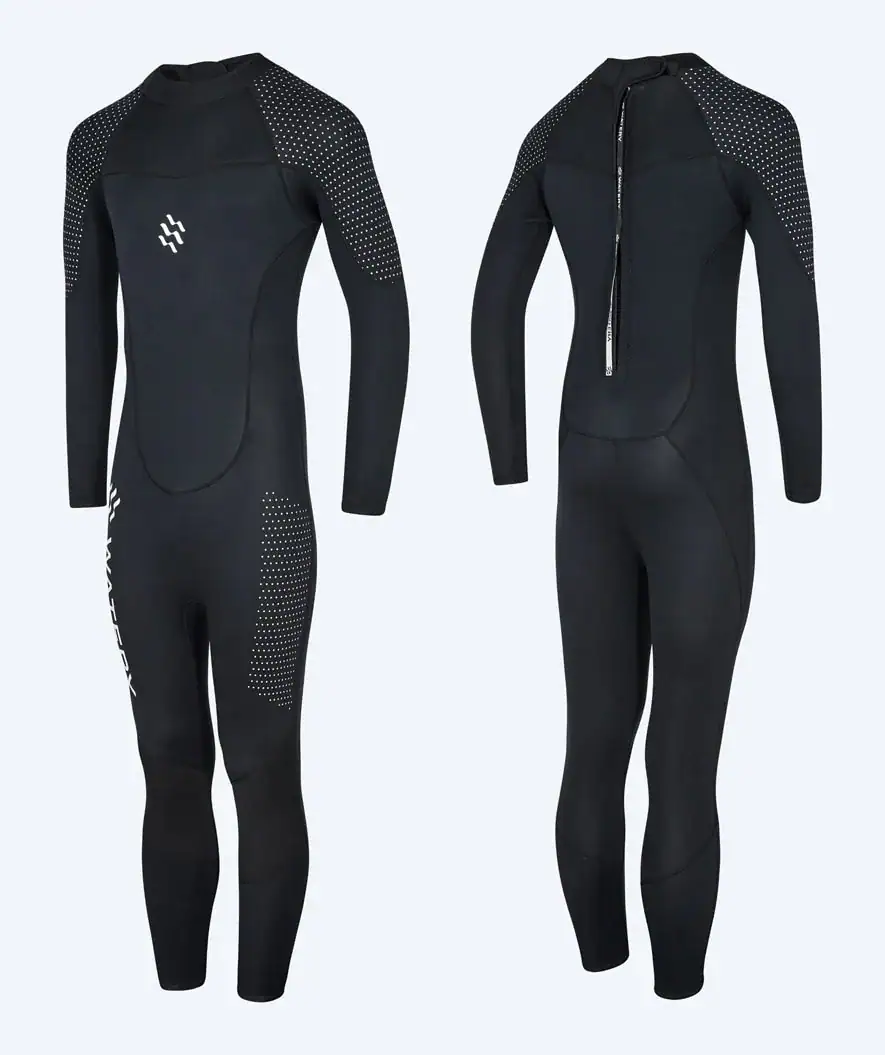
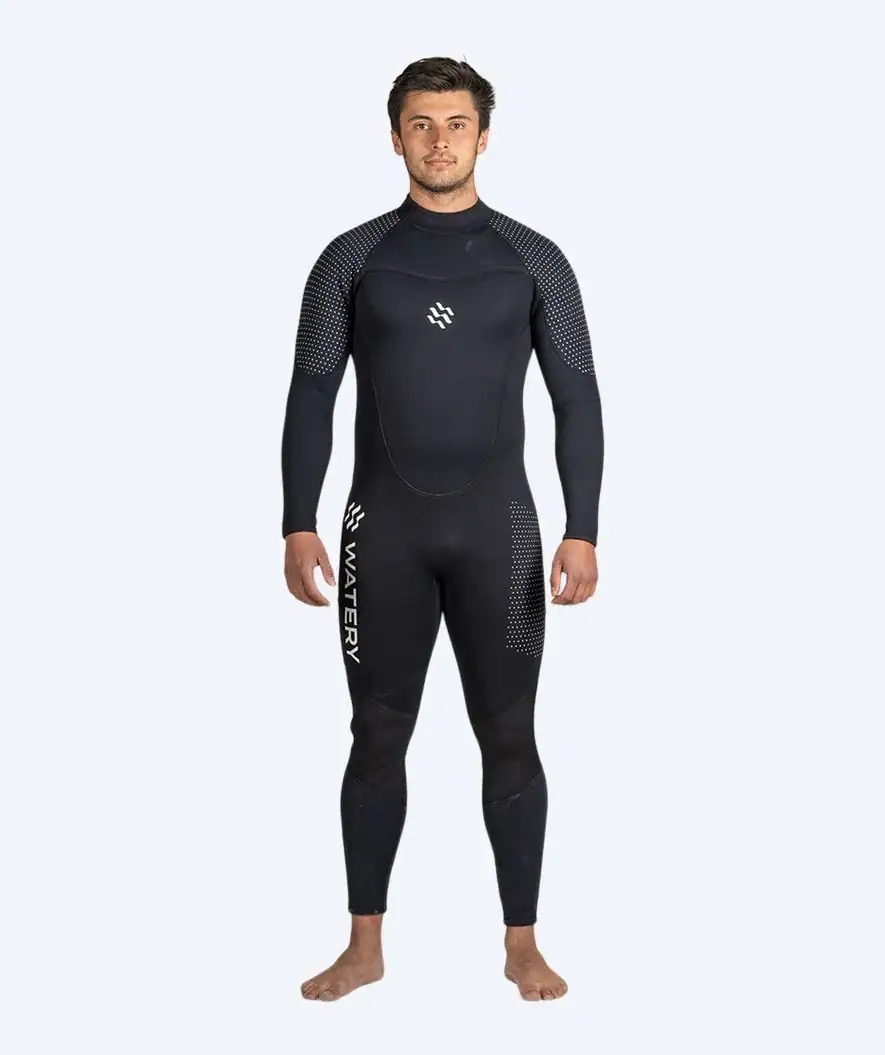
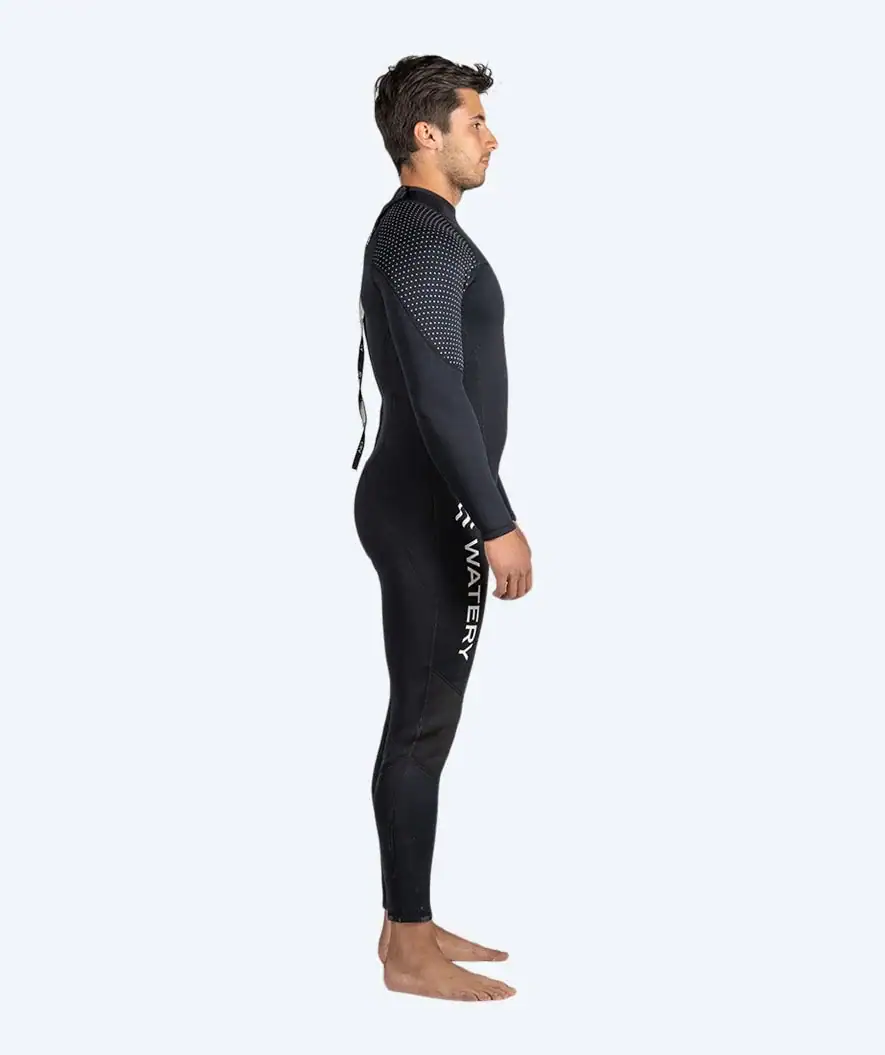
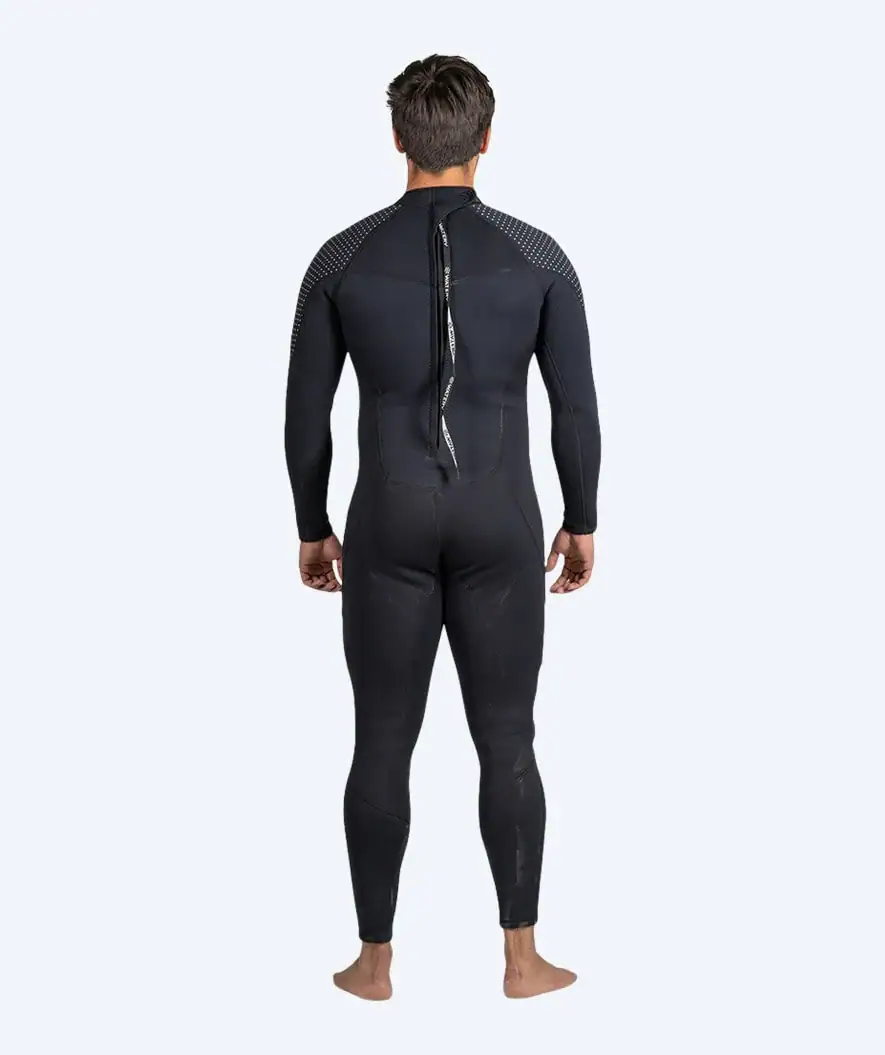 Best wetsuit for paddleboarding
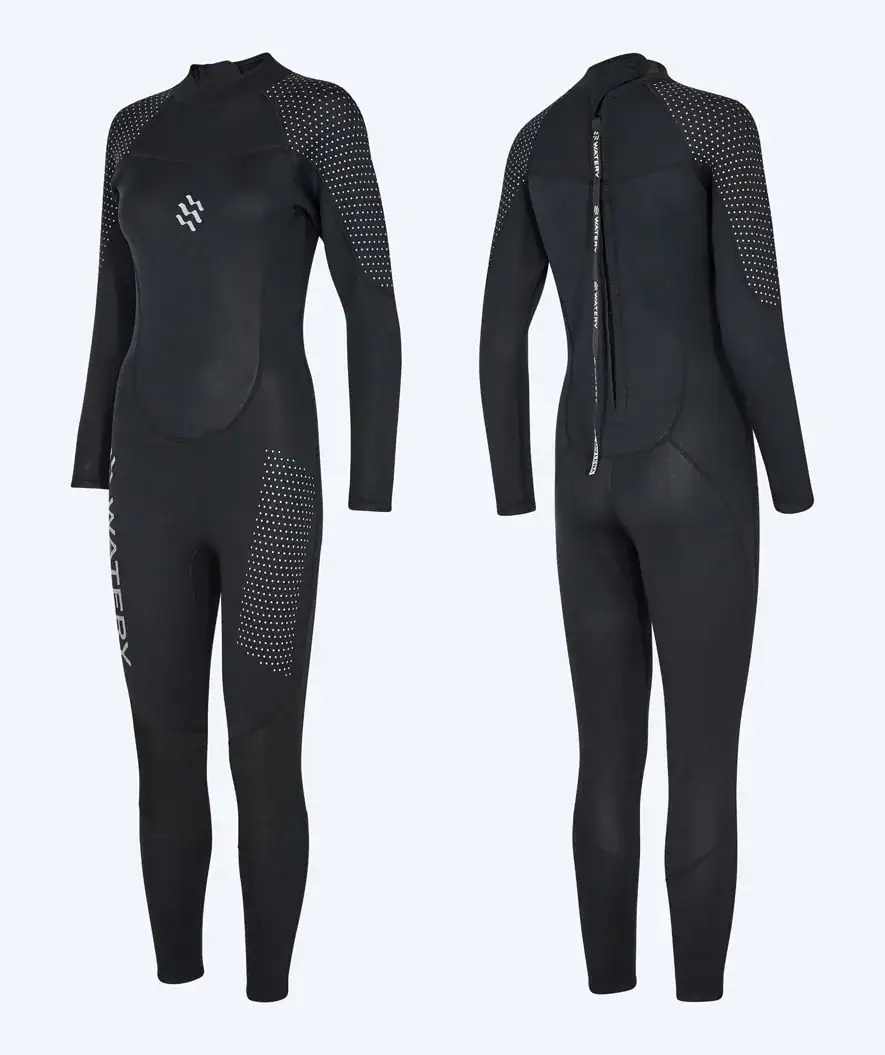
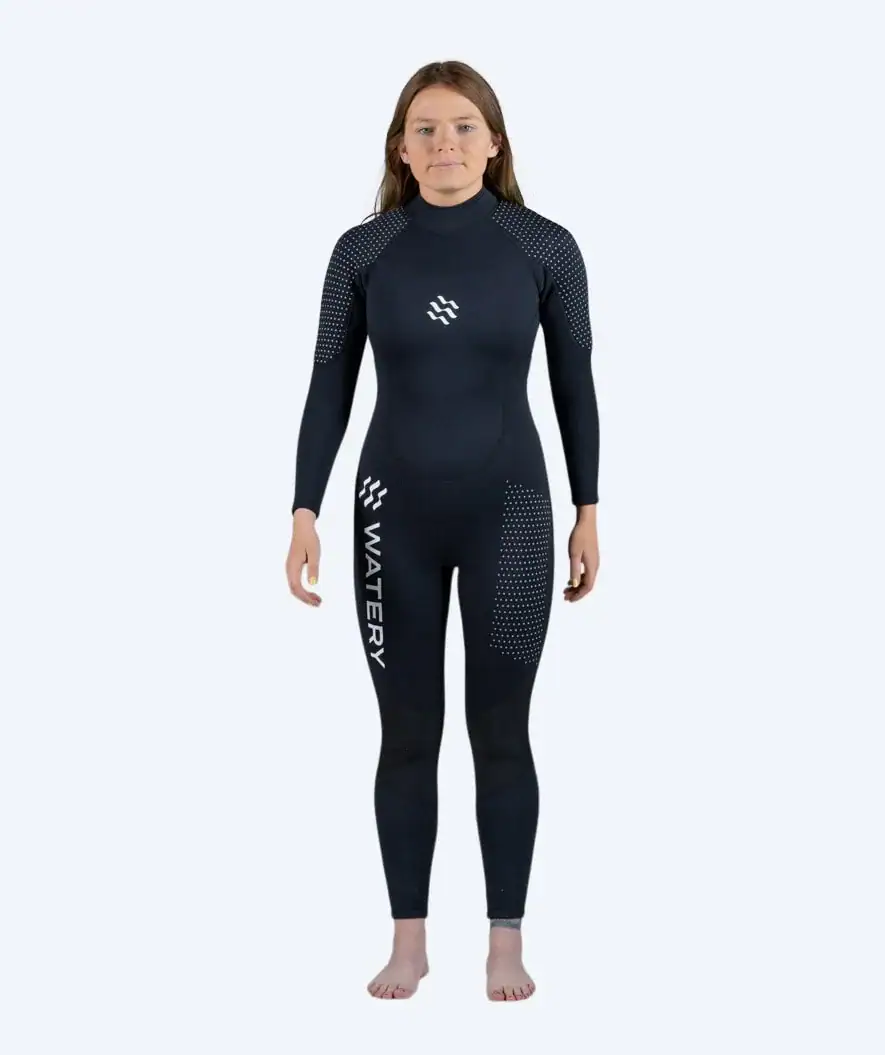
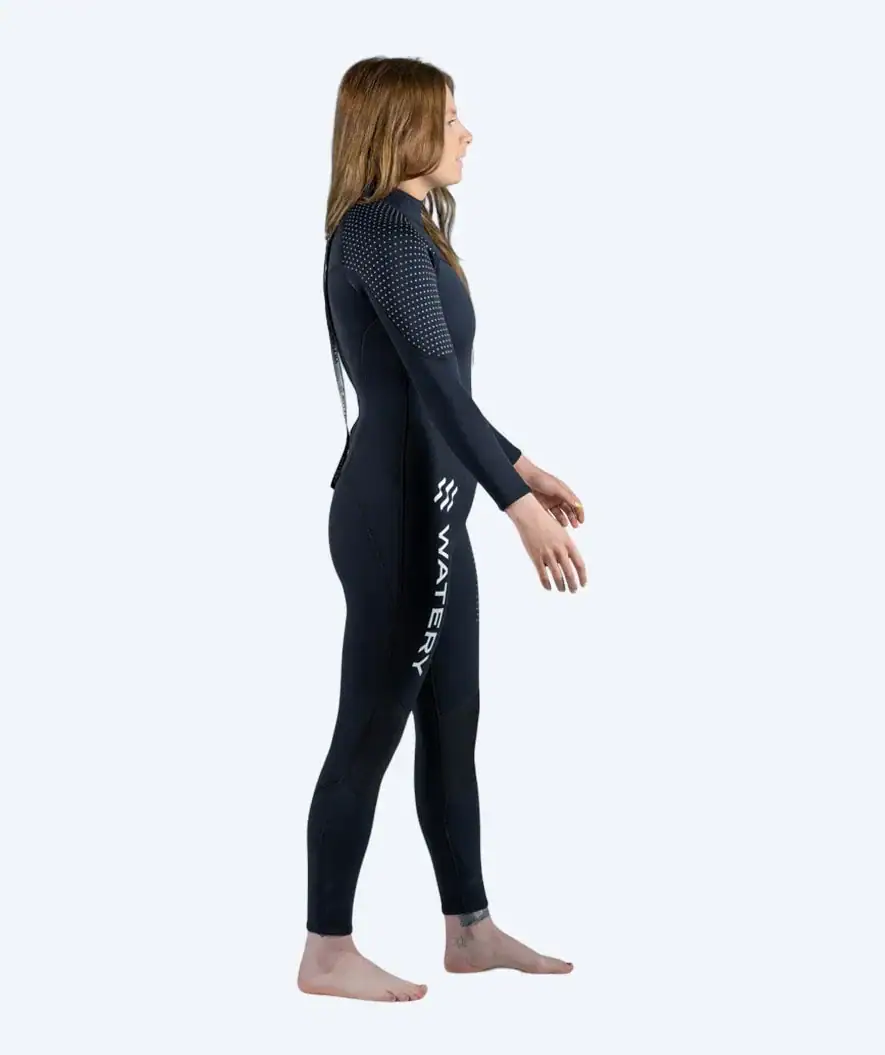
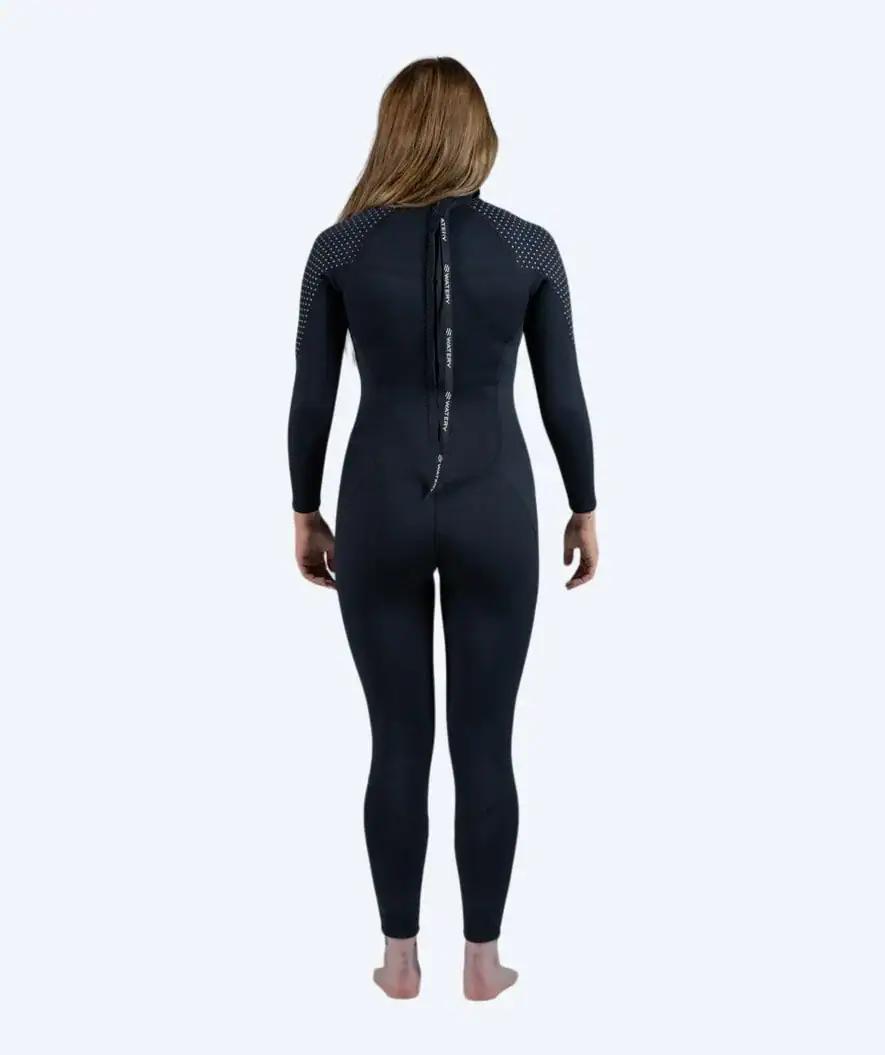 Best budget-friendly wetsuit for paddleboarding
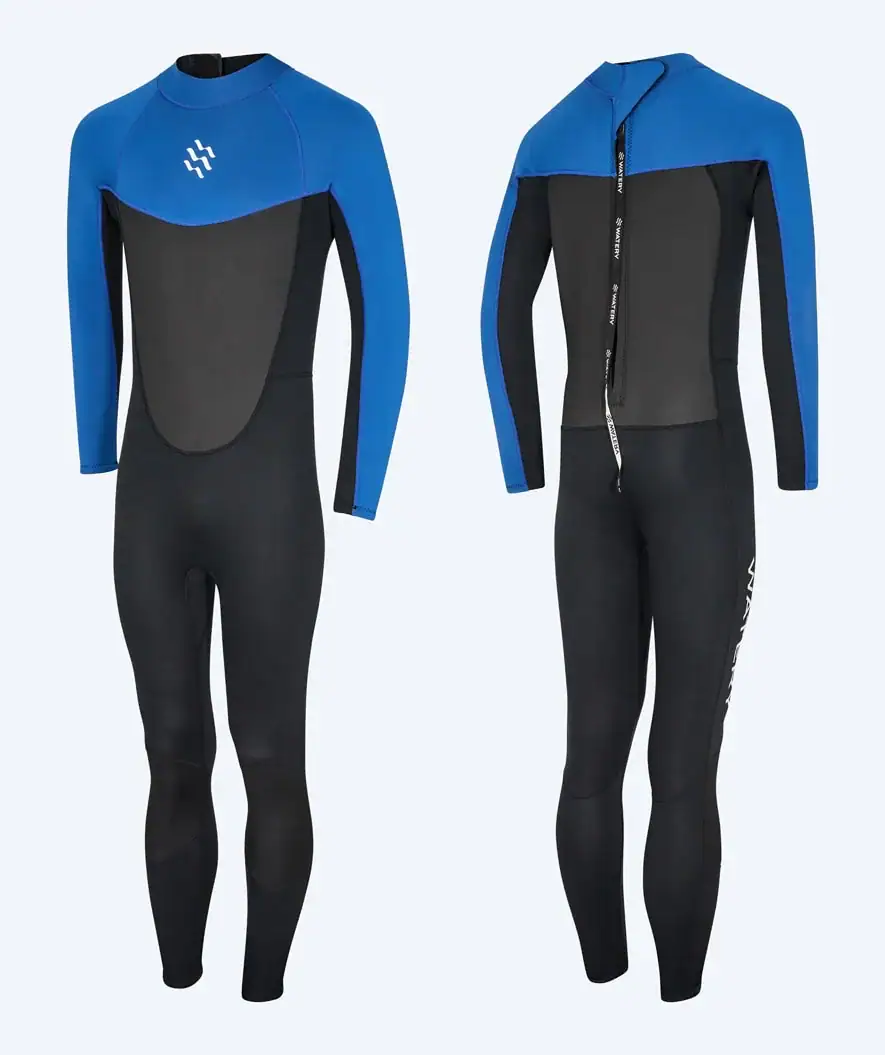 Best budget-friendly wetsuit for paddleboarding
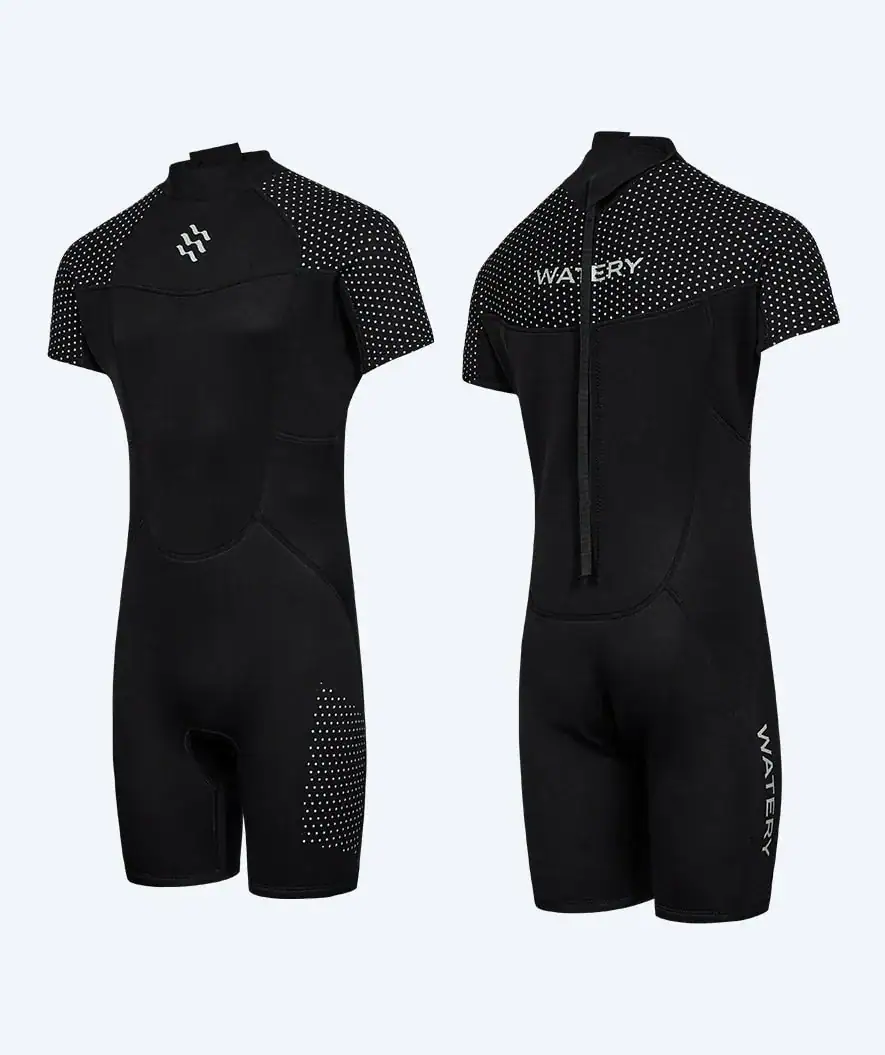
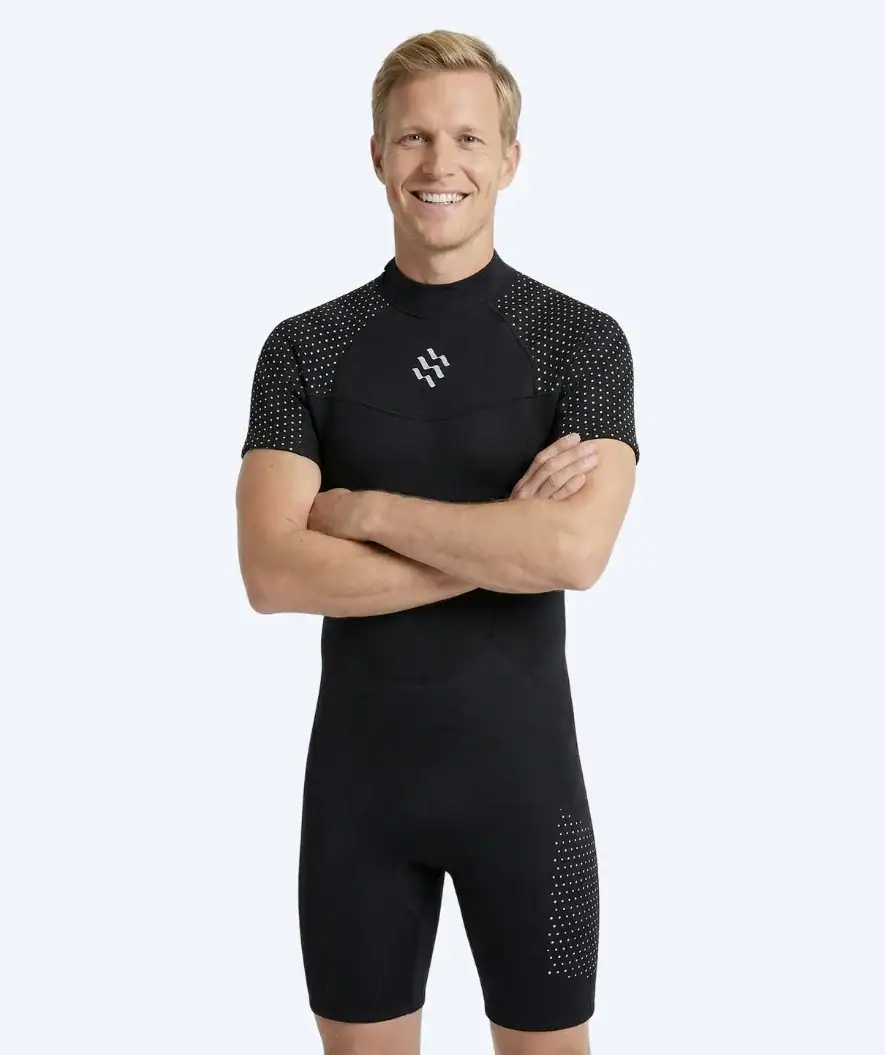
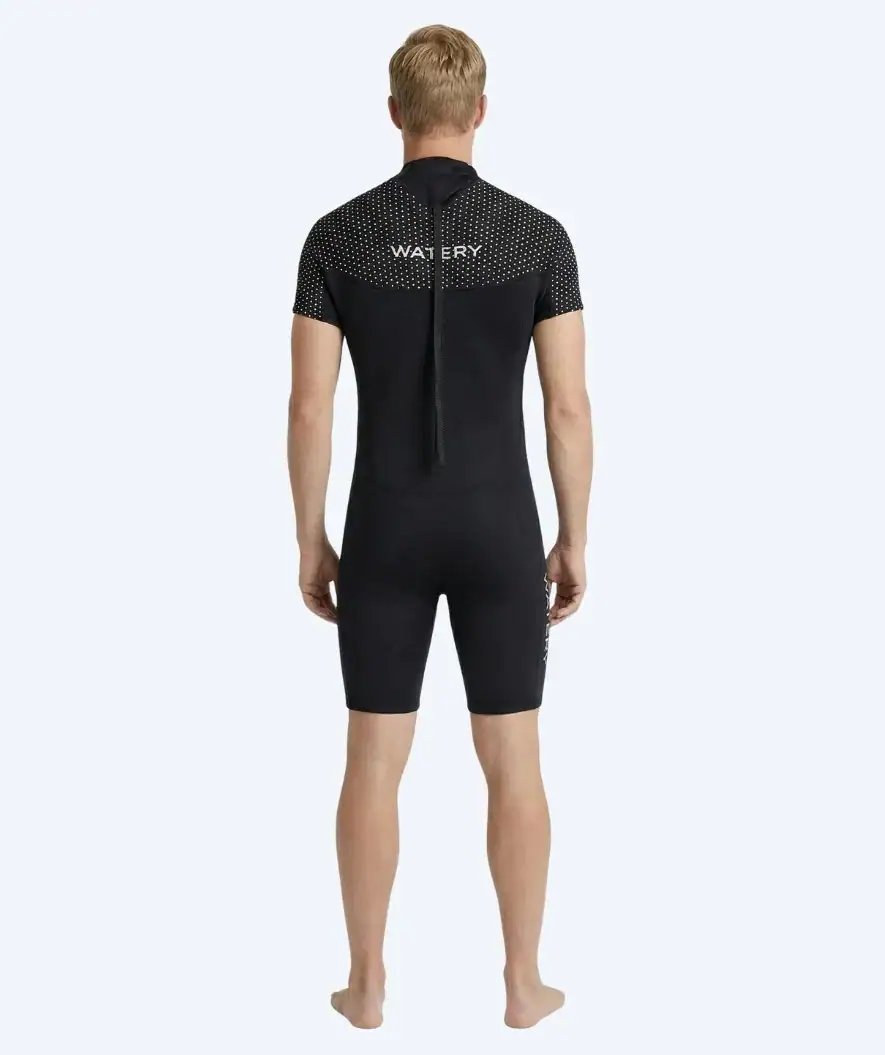
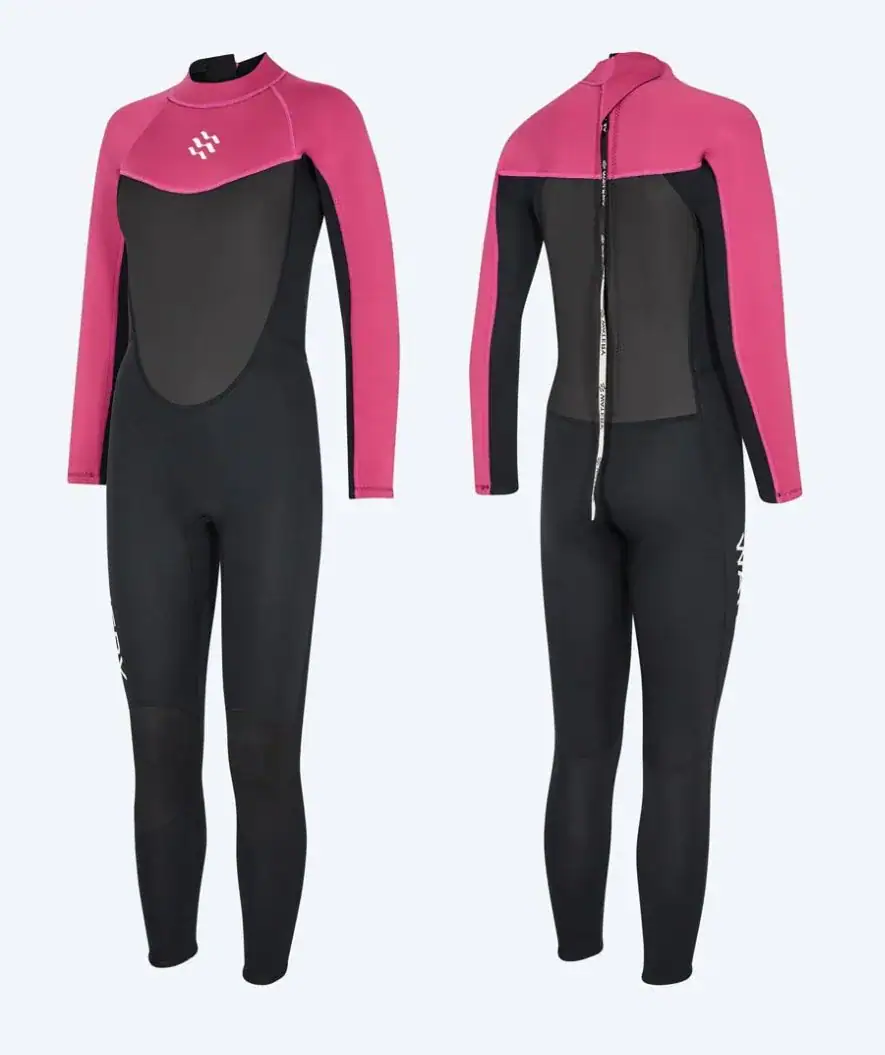 Best shorty wetsuit for men for paddleboarding
 Best shorty wetsuit for women for paddleboarding
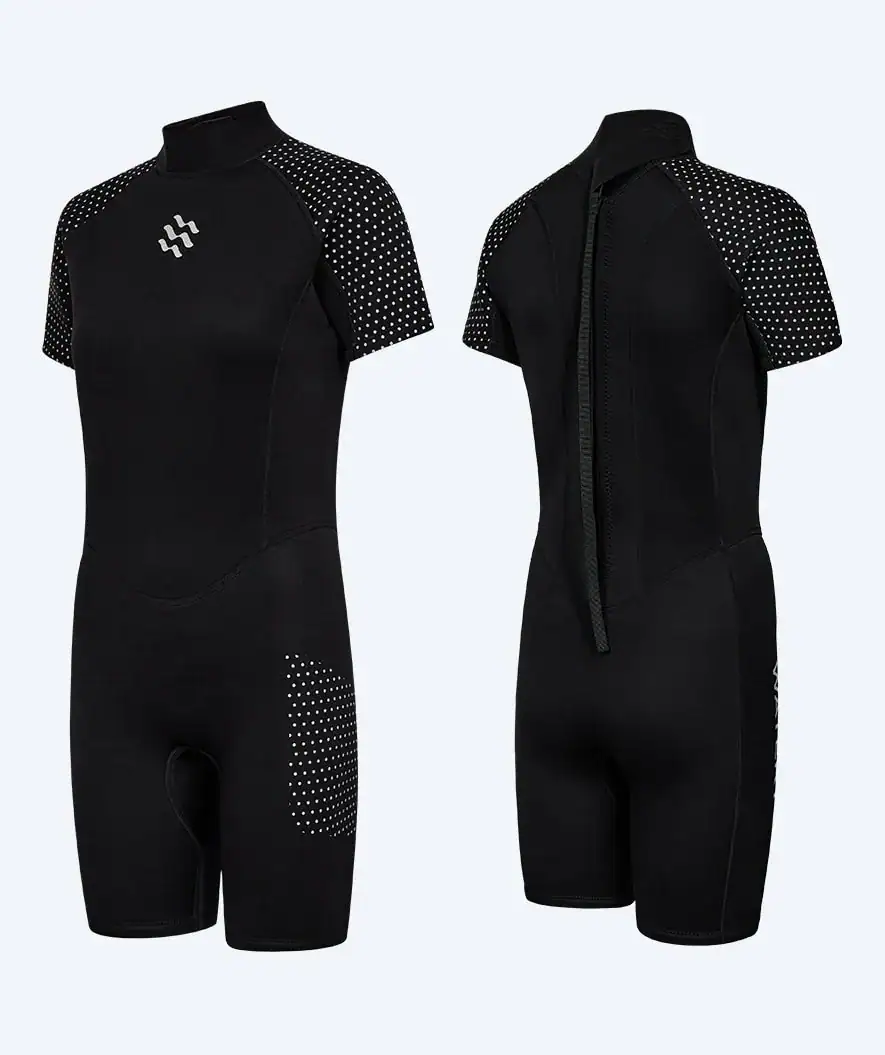
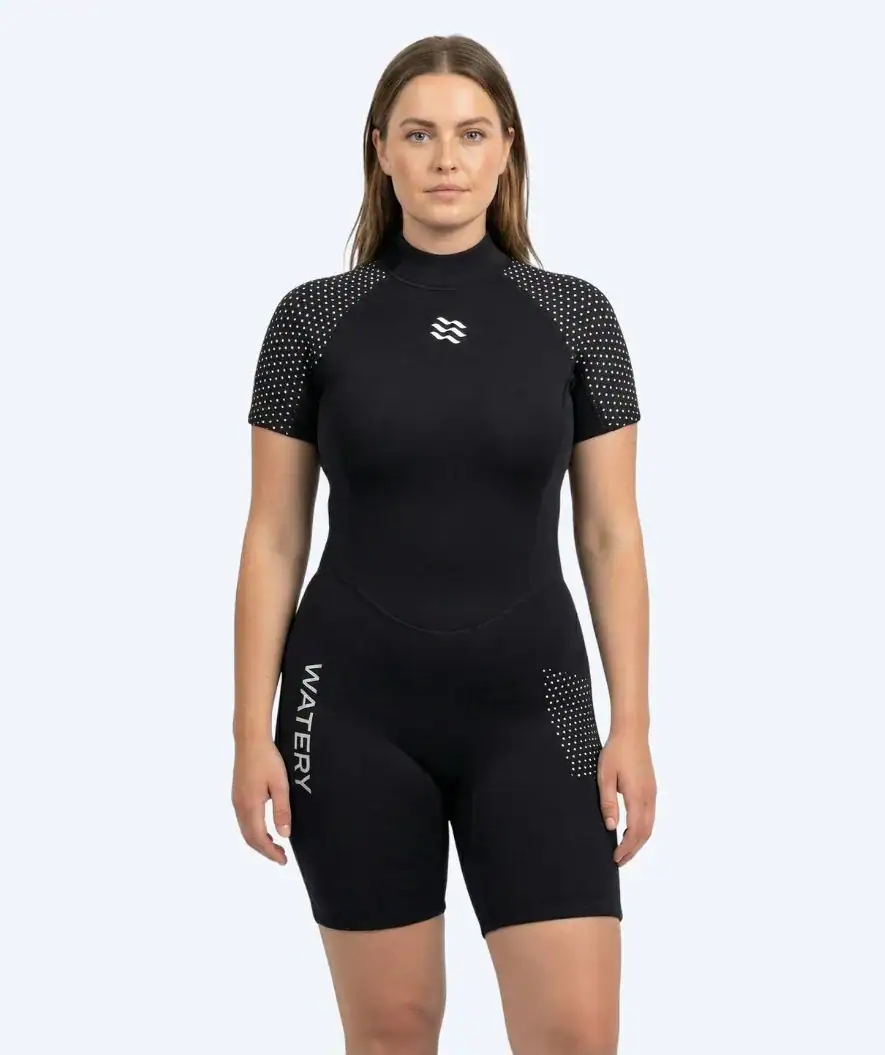
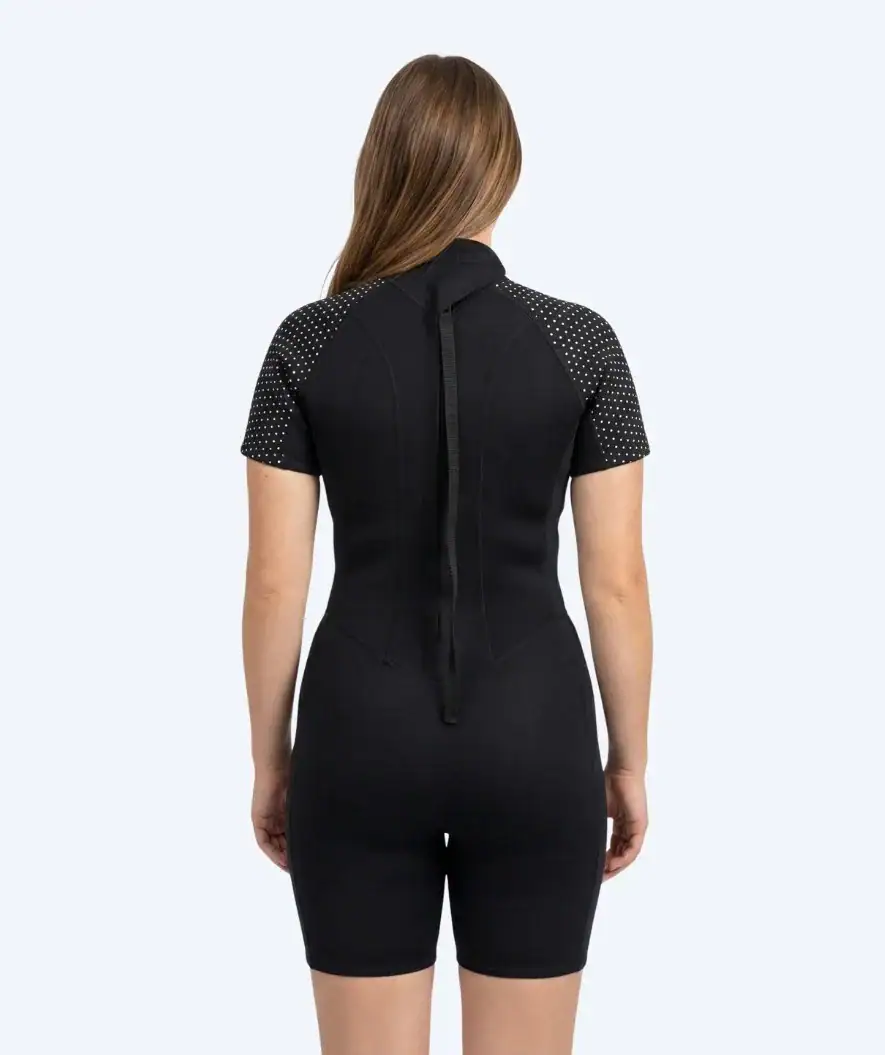
Even though the summer sun might glisten on the water, Irish temperatures are often brisk – especially if you fall in or venture out during spring and autumn. A wetsuit is your best investment if you don’t want to limit your paddleboarding to the few weeks in July when the water is at its warmest.
We always recommend using a wetsuit, as it acts as an extra layer of insulating skin. It doesn’t keep you dry, but it warms the thin layer of water between your body and the suit, allowing you to stay warm for hours. At the same time, the neoprene material provides a bit of extra buoyancy, giving you added peace of mind when you are far from the shore.
It can be a jungle to navigate thicknesses, stitching, and materials. We have put together a complete guide to help you choose the suit that perfectly fits your body and your needs.
See the guide to choosing a wetsuit here
If you are new to the world of paddleboarding, you probably have a few questions. Here, we have gathered the most important information so you can choose the right gear right from the start.
Stand Up Paddleboarding is simply a watersport where you stand upright on a board and use a paddle to propel yourself forward. It has exploded in popularity in Ireland because it works as:
Fun for the whole family: It is easy to learn for both kids and adults.
Deep relaxation: A calm trip on the water at sunset.
Effective exercise: You train your balance, core, and back muscles.
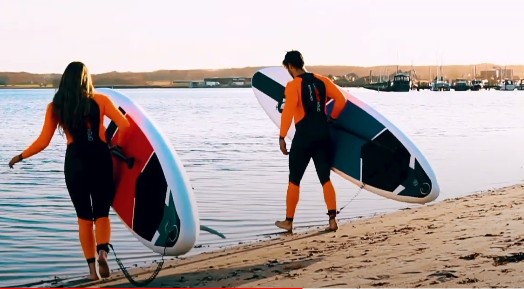
A paddleboard resembles a traditional surfboard in that both are used on the water, but apart from that, the differences between the two watersports are distinct.
The most noticeable difference is the size of the board; a paddleboard is significantly longer and wider than a surfboard. This contributes to increased stability, which is why even beginners have great success with SUP when heading out on the water towards the sunrise.
Additionally, with SUP, you use a paddle to navigate and move forward, giving you greater control over your session on the water compared to a surfboard. Due to its versatility, a paddleboard can be used on lakes, bays, rivers, and in the sea.
There are four primary types of paddleboards. Your choice depends entirely on what your goal is:
| Board Type | Best for… | Key Features |
| Allround | Beginners and families | Wide and stable. Perfect for everything from fun and games to short trips. |
| Touring | Long distances | Pointed nose and long shape. Cuts efficiently through the water. |
| Race | Speed and training | Very narrow and long. Requires good balance, but is lightning-fast. |
| Surf | Waves | Short and easy to manoeuvre in the surf. |
Our advice: As a first-time buyer, you should almost always choose an allround board. It gives you the successful experience you need when starting out.
A good inflatable allround paddleboard is relatively large, making it easier to keep your balance, even for beginners. On the other hand, you will not be able to reach the high speeds possible on a race or touring board.
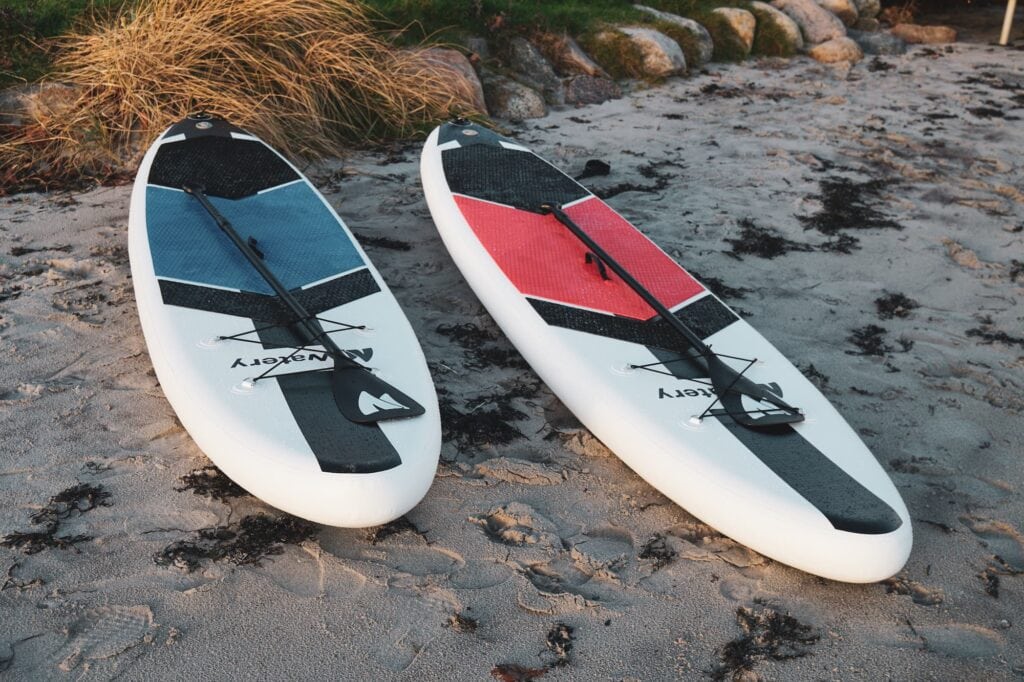
Essentially, the size means you get an experience where standing on the board feels easy, although you may experience lower speeds and less manoeuvrability than with other types of paddleboards. However, if you are a beginner, you will have a great experience with a large inflatable paddleboard.
When you are a beginner trying out SUP, your primary goal is to stand stably on the board. Therefore, it is essential that the board has a high volume, giving it excellent buoyancy to stay afloat on the surface.
Good stability requires a high volume that can easily support your weight. The advantage of an inflatable paddleboard is that with a high volume, you can also have multiple people on a single board, or different people can share it.
Besides the board itself, the paddle is also an essential part of paddleboarding. An aluminium paddle is most often recommended, as it is durable and lightweight while also being at the budget-friendly end of the price spectrum.
In addition, many find it advantageous to have an adjustable paddle, as the height can then be customised for each individual user of the board.
A durable inflatable paddleboard has at least two layers of PVC, as more layers mean your board is more rigid and durable.
It is primarily inflatable paddleboards with fewer than two layers that have a short lifespan. Therefore, it is highly recommended to choose a board with at least two layers.
1. How do I want to use the paddleboard?
The most important question to ask yourself before diving into the water sport is: how do I want to paddle?
Stand up paddleboarding is designed for various activities; generally, however, it can be divided into three categories.
For most people, however, it is the idea of a calm trip out on the water that catches their interest. If you are one of them, an all-round board is highly recommended.
As the name suggests, it is a paddleboard that can be used in almost all conditions; they are long, wide, and stable, which makes them ideal for beginners.
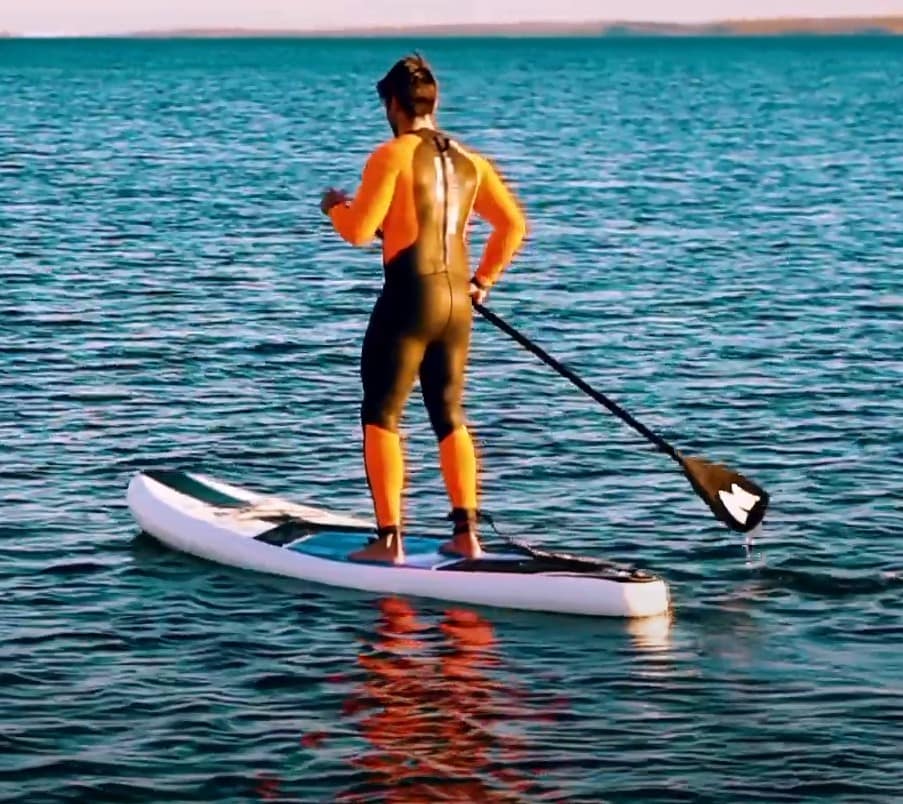
First and foremost, you need to decide which type suits your needs; generally speaking, there are two different types: inflatable or solid paddleboards.
The inflatable paddleboard is easy to transport precisely because it is inflatable. This means you can take it with you in virtually any scenario. An inflatable paddleboard consists of multiple layers, primarily PVC plastic, connected by thousands of threads running from the bottom to the top layer.
This threading is called drop-stitch and is the reason a paddleboard can be inflated while maintaining its shape; without these threads, it would not be able to hold its elongated shape when inflated. This also allows the board to be easily pumped up with air and deflated again. You inflate the board using a pump with a pressure gauge, ensuring you get the right amount of air inside.
Because it is inflatable and a large board, it is extremely user-friendly and therefore perfect for beginners.
Due to its construction, the solid type of paddleboard is rigid—meaning it cannot be inflated. It is traditionally made of foam, fiberglass, and epoxy, but can also be combined with other materials.
Because of its construction, it is fragile and also difficult to transport; in addition, you need to be able to store your board.
The solid type is suitable for surfing and racing, as its performance, specifically in terms of speed, is excellent.
Of the two types, you will most often encounter inflatable paddleboards, which a great many beginners and even experienced paddlers use.
Depending on which type of paddleboard you decide to choose, it is essential to consider whether you have the means to store and transport the board.
A stand up paddleboard is normally 300 cm and upwards, depending on the type, which requires you to have sufficient space to store your board at home.
This is particularly problematic with a solid paddleboard, as it cannot be folded, and they are often heavier too.
Compared to an inflatable paddleboard, which can simply be folded up and packed into a bag so that it takes up a fraction of its normal size when inflated.
In terms of transport, it is also required that you can transport a board of around 300–360 cm, depending on which board you use.
A solid paddleboard has a fixed shape, which means you need to be able to transport the paddleboard at its full length and width. Therefore, a car with a roof rack may be necessary so you can get down to the water.
An inflatable paddleboard, on the other hand, can be deflated and transported in a bag; you can easily carry it in the car, on the bus, on the train, and even on foot. Plus, you save a lot of hassle and money if you want to take your board abroad.
The disadvantage of an inflatable paddleboard compared to a solid one is that it needs to be inflated, which takes between 5–10 minutes. You also need to bring the pump with you, though it doesn’t take up much space or weigh a lot—it’s more the actual act of pumping up the board that can be a workout, but then you’re all set to jump onto your paddleboard.
The size of a paddleboard is based on both length and volume. Generally, however, it is essential that you choose a paddleboard that matches your weight.
Most beginners and even experienced paddlers use an inflatable paddleboard, where the capacity and length suit a wide range of people regardless of height and build.
Volume refers to how many litres of air the board can hold, as well as how well it floats on the water. A higher volume means the board can handle more weight and still perform optimally.
As a rule, inflatable paddleboards can hold around 185–298 litres. A good rule of thumb for finding the perfect volume is to double your weight in kilograms—which is why a person weighing 45 kg would need a paddleboard with a capacity of at least 90 litres.
A high volume is recommended for beginners, as it makes the board easier to balance on.
The length of your paddleboard should be chosen based on your needs and your SUP skill level. A longer and therefore larger board makes it easier to keep your balance.
In addition, you should choose a board according to how you plan to use it; for example, if you want an all-round board, you will want a large one, whereas if you want to move quickly through the water, you should choose a race board.
A short board is easier to manoeuvre and is around 8′ (243.84 cm). In contrast, a long board provides greater speed and often stability, typically measuring between 10′ and 14′.
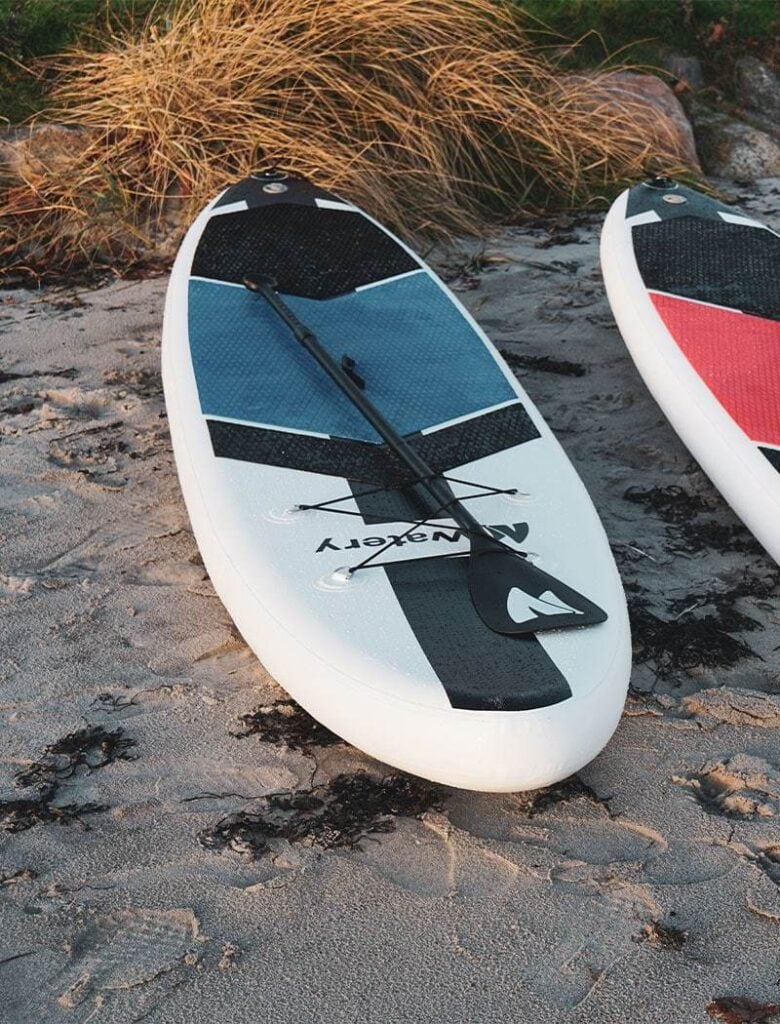
There are different types of paddles available, with the main differences being the construction, weight, and adjustability.
There are several types of paddles that vary in quality and, consequently, price.
When choosing a paddle, it is therefore important to weigh up your needs. If you are an avid watersports enthusiast looking for speed, a fibreglass or carbon fibre paddle is highly recommended.
If, on the other hand, you are a beginner looking for a durable paddle that is relatively inexpensive, aluminium is the preferred choice.
The optimal length is based on the height of the user. A good rule of thumb to follow is that the paddle, when stood upright, should reach approximately to your wrist from the ground.
There are two types of paddles in terms of length: fixed and adjustable.
The advantage of an adjustable paddle is that multiple people can use it, regardless of height. In addition, it is easier to transport the paddle when its length can be reduced.
The size of the blade determines how fast and, not least, how efficiently you can paddle.
Note that the blade is angled forward, meaning the blade should face forward. This often feels unnatural for beginners, but otherwise you will quickly find that your paddleboarding experience is much tougher.
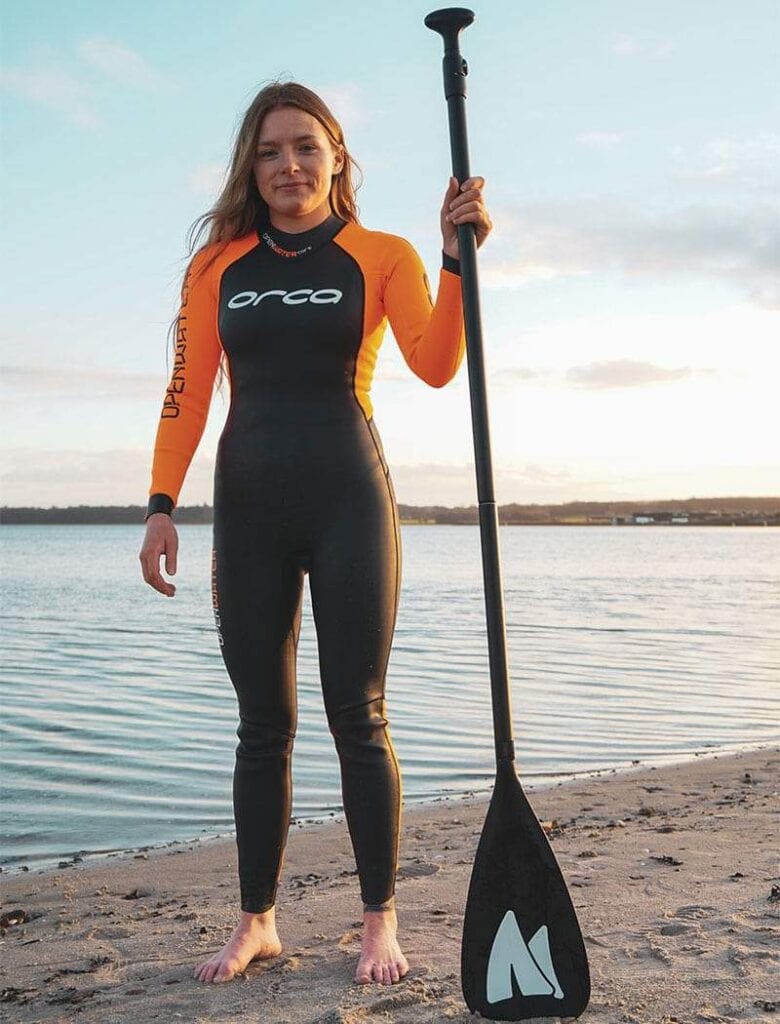
Buying a paddleboard can be a significant investment; prices usually start from around €400, but can easily be higher.
The price varies depending on several factors, and there are different parameters to consider for both an inflatable and a solid paddleboard.
A solid paddleboard traditionally consists of three components: foam, epoxy, and fibreglass. The combination of these materials is costly both together and individually.
Additionally, there are differences in how it is manufactured, the number of layers (and their types) – and last but not least, the craftsmanship.
If you are a beginner and want to use your paddleboard for recreation and/or exercise, an inflatable paddleboard is recommended due to its size and versatility.
It can be nerve-racking to use your paddleboard for the first time; you might be worried about losing your balance or not being able to steer the board once you’re on the water. That’s why here is a guide on the best way to start your stand-up paddleboarding journey.
1. Start on your knees – Wade out into knee-deep water (watch out for the fins). Place your knees in the middle of the board. Paddle around a bit to get a feel for the stability.
2. Stand up – Place the paddle in front of you on the board. Stand up one foot at a time, keeping your feet shoulder-width apart. Keep your knees slightly bent – they act as your “shock absorbers”.
3. Find your balance – Look towards the horizon, not down at your feet. Engage your core muscles, and use the paddle for support in the water.
4. The perfect stroke – Hold one hand on the top (the T-grip) and the other hand halfway down the shaft. Plant the paddle in the water as far forward as possible and pull it back towards your feet.
Once you feel confident on the board and can balance without any problems, it’s time to try turning. You steer a paddleboard simply by paddling.
The easiest and most classic way to turn is to paddle on the opposite side. That means you paddle on the left side if you want to steer the board to the right. The further back towards the tail of your board you pull the paddle, the faster you turn.
Please note that this is a great way to turn for everyday paddleboard use, which is why many beginners use this technique.
When using the back paddle technique, you usually want to make a 180-degree turn. This technique involves paddling from your feet towards the front of your board.
This is a quick way to turn around – in fact, you can almost spin 180 degrees while staying virtually on the exact same spot on the water.
A pivot turn is especially useful if you compete in SUP, as it is one of the fastest ways to turn. It is therefore recommended that you are experienced before trying to perform this turn optimally.
The turn involves placing one foot at the back and one foot forward. When you turn, you apply pressure to the rear of the board with your back foot while using the paddle at the same time to turn.
Do note, however, that this type of turn is extremely unstable, as the nose of the board lifts out of the water.
Heading out on a paddleboard can be nerve-wracking, especially if you’re not used to being out in open water. Here are a few tips to keep in mind before you get started.
Stand up paddleboarding (SUP) has become an extremely popular water activity over recent years, so you can find numerous rental providers across Ireland who even offer lessons.
As a beginner, you might be interested in learning to paddleboard alongside others. There are plenty of opportunities to join local clubs and groups—they often offer both courses and taster sessions.
As with any other sport, there are a few tips that beginners and even experienced paddlers can follow to avoid the most common SUP mistakes.
Equipped with these tips, you’re ready to jump on your paddleboard—and like so many others, you’re bound to get hooked.
If, like me, you want to be able to use your paddleboard both in summer and when temperatures drop, having the right gear is essential—and you can do that with neoprene gear and a wetsuit. This way, you can extend your time on the paddleboard.
I like to extend my time on the paddleboard so I can use it virtually all year round, which is why it’s important to me that it is warm while remaining flexible.
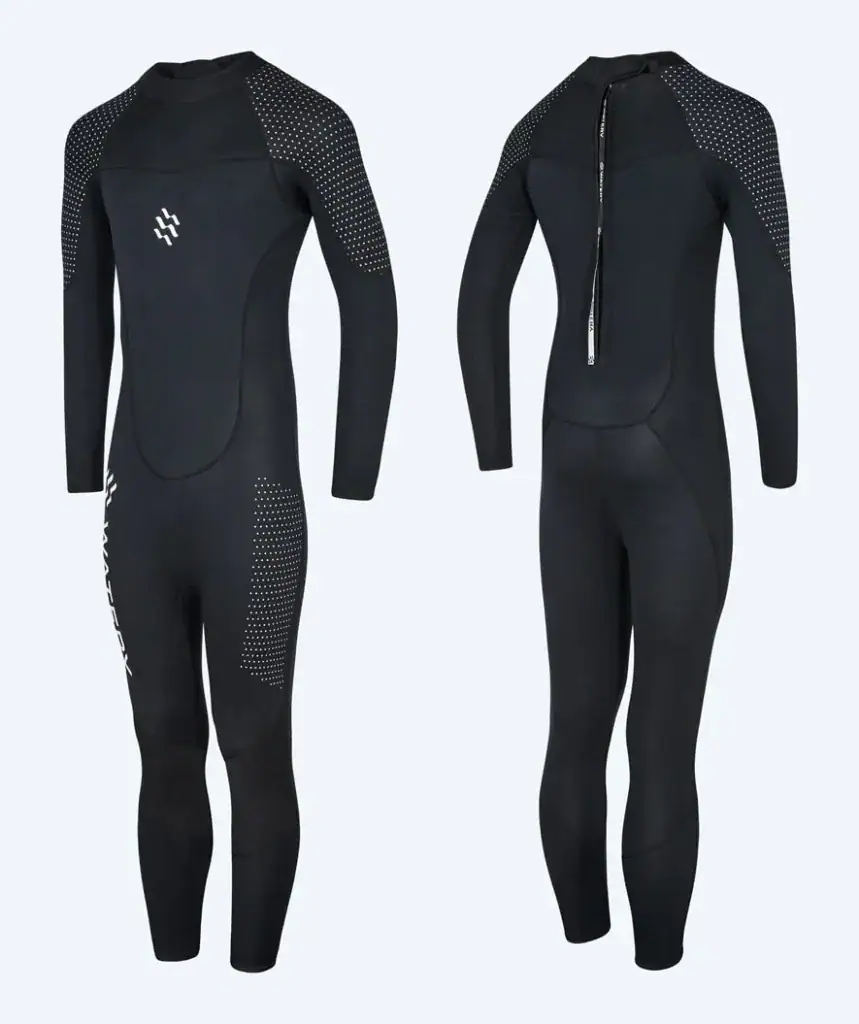
That’s why I use Watery’s “Hedgehog” wetsuit. When you’re out on the water, flexibility, heat retention, and buoyancy are paramount. That is why the suit is precisely 3 mm thick, giving you an optimal combination of flexibility and warmth. This ensures I don’t feel restricted in my movements on the paddleboard.
When I’m out during the winter season, a wetsuit isn’t always enough, so I supplement with neoprene gloves, socks, and a hood. Depending on how cold it is and how long I’ll be out, I gradually add these three neoprene items.
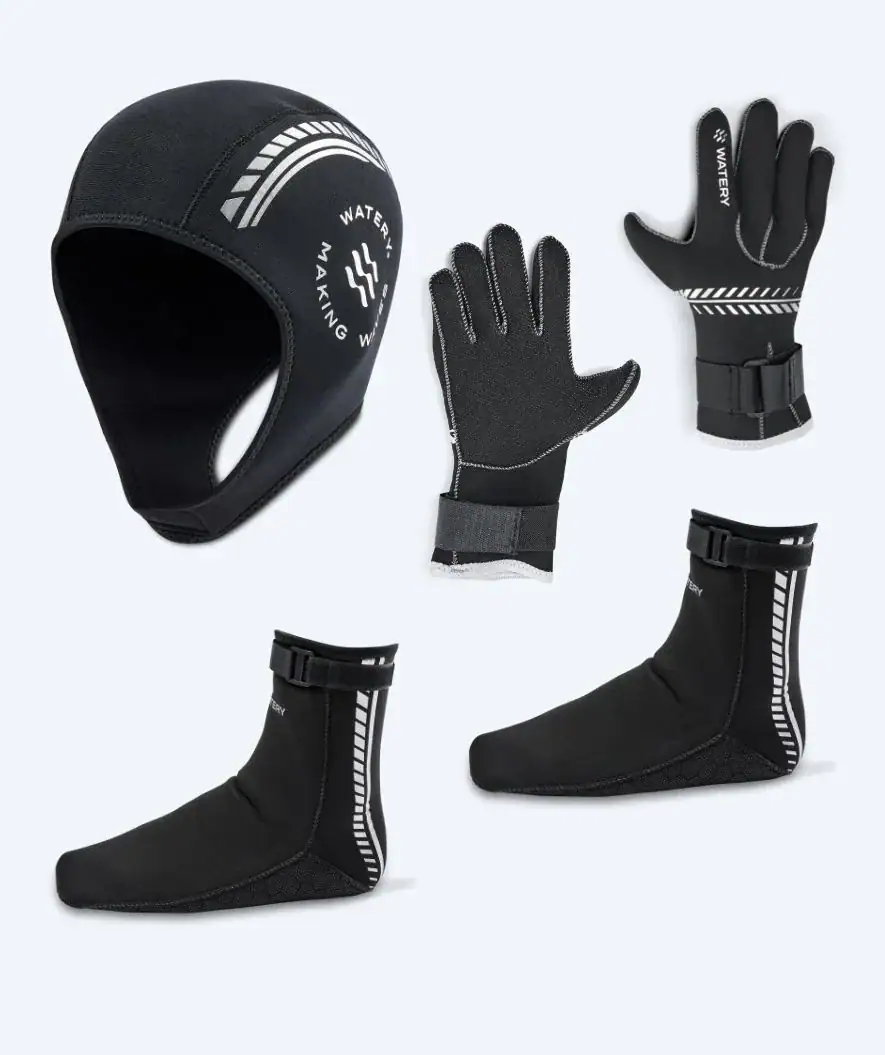
My preferred set is the one from Watery, as they provide plenty of warmth without being uncomfortable to wear. It’s also an advantage that both the gloves and socks are long-cuffed, so the skin between the arm and leg openings isn’t exposed.
Due to the high demand for paddleboards, they are relatively easy to find—both in Irish retail chains and at specialised retailers.
However, if you want a high-quality paddleboard that will last for years, we recommend buying it from a dedicated water sports store—like us at Watery.
We have both the necessary expertise in swimming and water sports and a wide selection of paddleboards and accessories. If you have any questions, our customer service is always ready to help you get started.
Our high Trustpilot score reflects general customer satisfaction, and with fast delivery and competitive prices, shopping with us is also easy and secure. That’s why we recommend Watery when you’re looking to buy a paddleboard and other gear for the water.