All guides and recommendations
Best swim mesh bags – Our recommendations in 2026

To become a better swimmer, it’s essential to have the right swimming gear. And that really applies both in the water and on dry land. That’s why I’ve put together this guide to share why good swimming equipment matters, what’s most essential, and what performs best.
In this guide, I’ll cover the following topics:
Some pieces of gear are crucial, while others might not be a top priority. But by the end of this guide, I hope you’ll have a clearer idea of what swimming equipment you need to become a faster swimmer.
 Best swimming goggles for elite competition/training (+10 years)
  Best kids' swimming goggles with clear lenses
  Best for competition / lap swimming / fitness
  Best heeled option for the price
  THE BEST FOR ADULTS (+16 YEARS)
  Best for fitness/competitive training (under 16 years)
  Best for fitness/elite training
  Best for fitness/competitive training for both adults and children
  Best for all swimmers aged 8 and up
  The best for the experienced swimmer
  The best simple mesh bag
  Best mesh swim bag with pockets
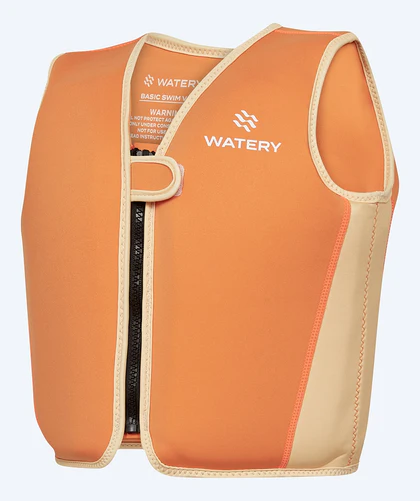
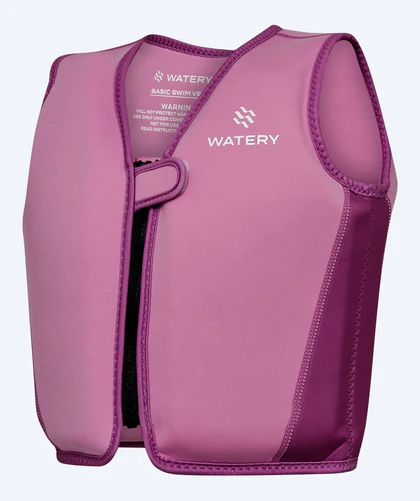
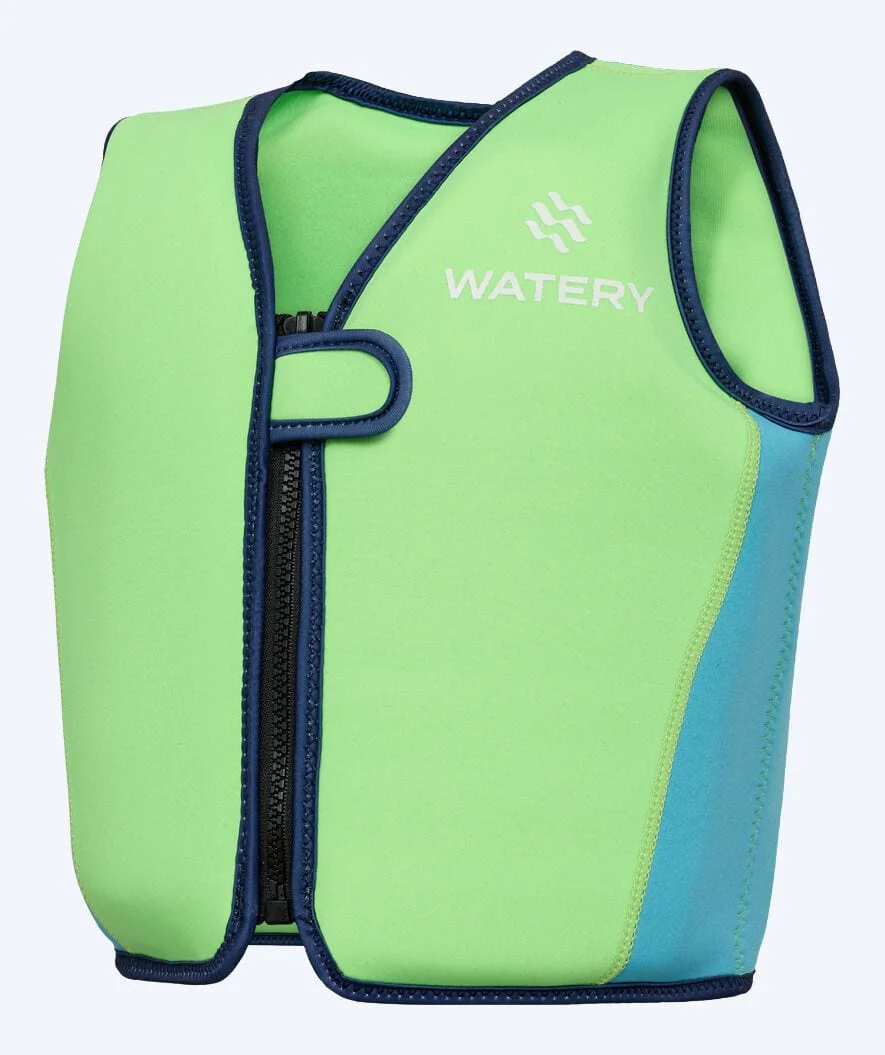
  Best value swim vest 12-30 kg
  Swim vest available in 4 great colours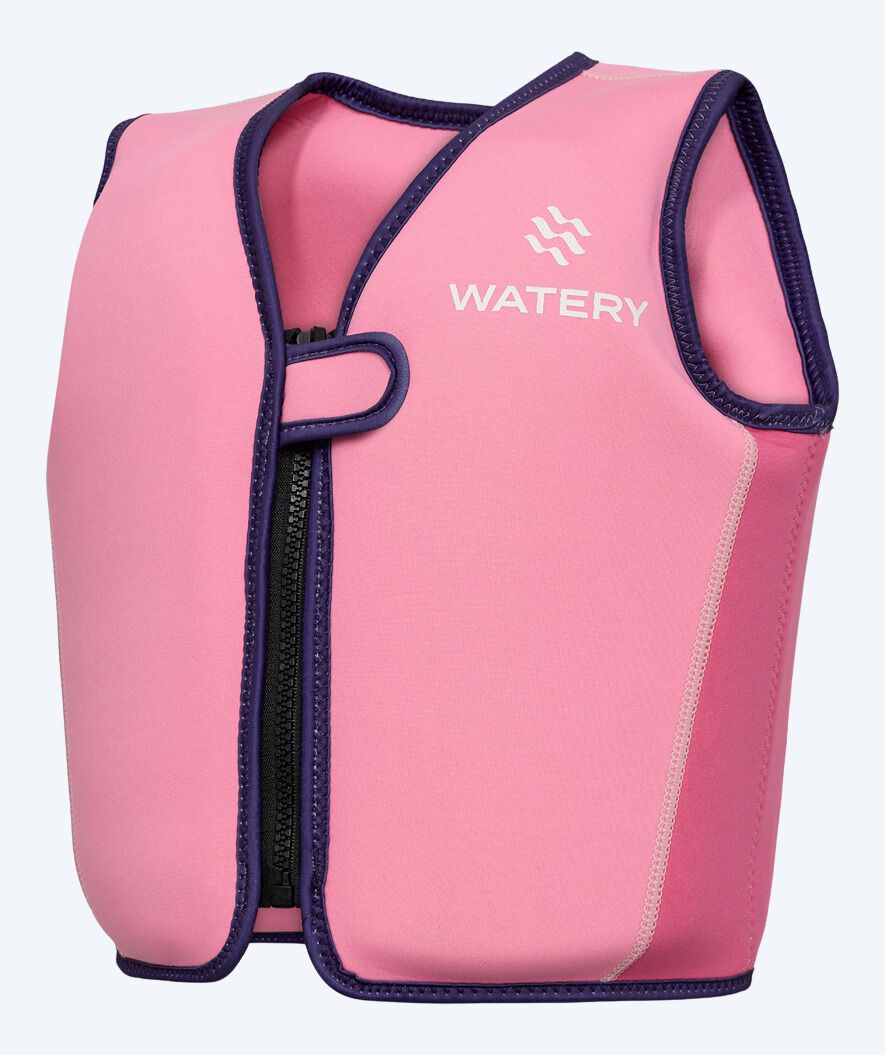
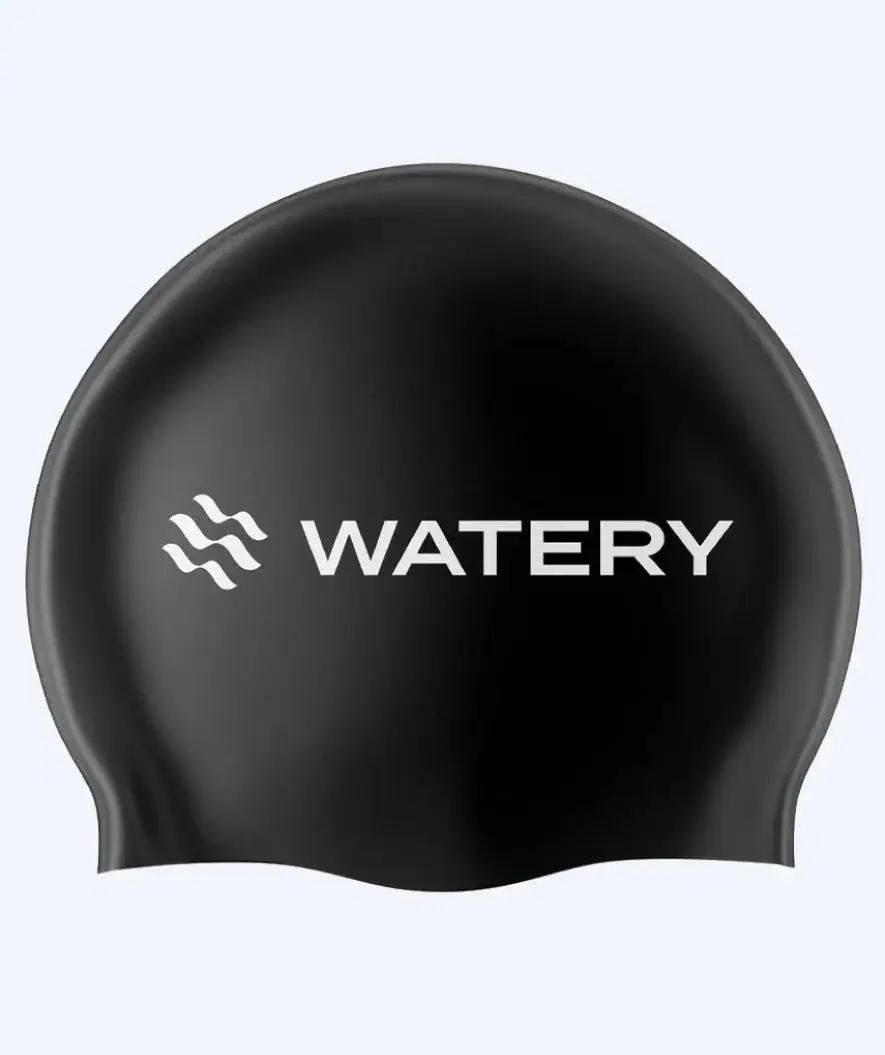
 Standard swim cap for lane swimming / training / fun and splashing around
  Alternative to Watery swimming cap for long hair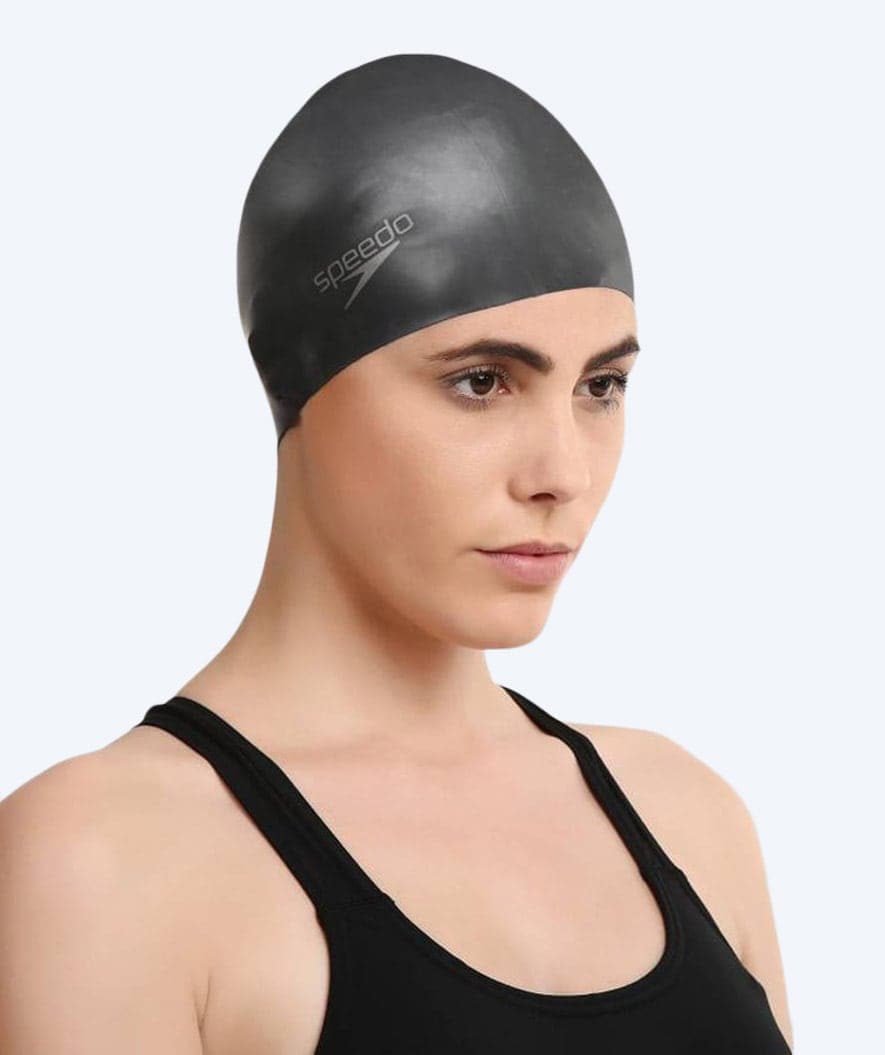
At swim galas and competitions, training gear isn’t allowed—apart from swimwear, swimming goggles, and a swim cap. But during training, using equipment gives you the greatest benefits. And that translates into faster times when it really counts in competitions.
Each type of swimming equipment targets a specific area to help you improve your stroke technique. For example, if you tend not to finish your stroke properly, finger paddles will help you feel exactly when you release the water.
And a snorkel is perfect when you want to work on achieving a better body position in the water.
These are just two examples of why using swimming gear is so effective. Even the world’s best swimmers rely on it!
Swimming gear isn’t just for adults. It plays a huge part in helping kids learn to swim too. You might even remember it from when you learned as a child—you probably wore a swim belt or armbands.
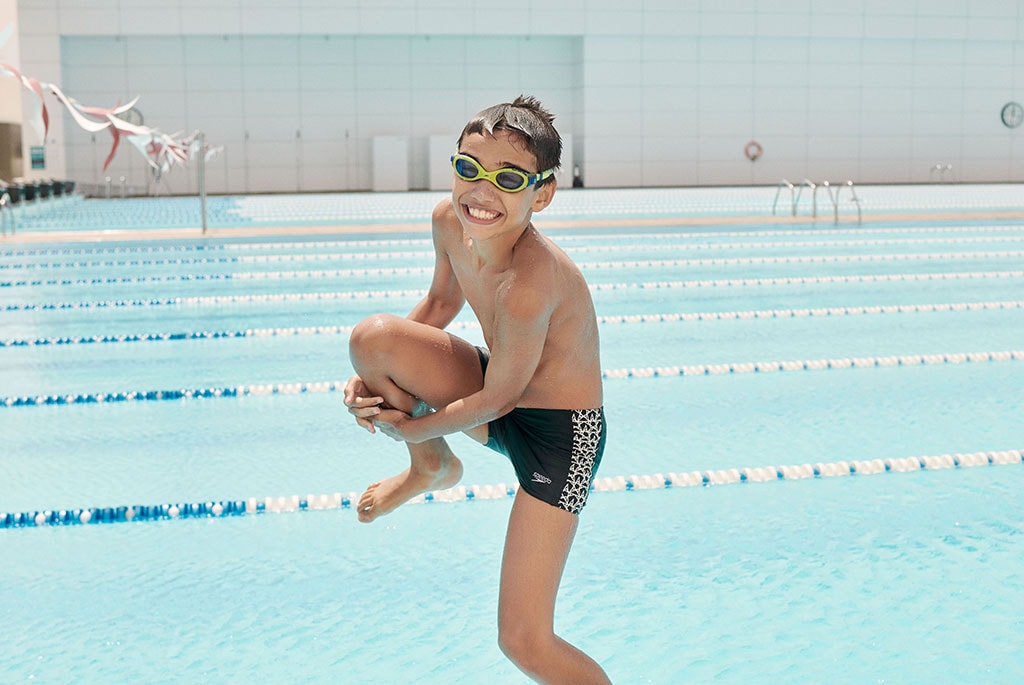
When teaching children proper swimming technique, however, slightly different gear is needed. A kickboard helps kids kick rhythmically and correctly, while a pool noodle helps them learn to float.
So there’s a wide variety of swimming gear designed for very specific training needs—for children and adults, as well as competitive swimmers. Even Michael Phelps had to start somewhere, and that was as a kid, supported by plenty of swimming gear.
As I’ve already touched upon, there are many different types of swimming gear. So I’ll give you an overview of what equipment is available, what each piece does, and what you should use in your swim training.
Swimming goggles almost speak for themselves. They’re completely essential for seeing properly underwater. Good swimming goggles fit snugly on your face, offer minimal water resistance, and protect your eyes from bright light so you can see better and focus.
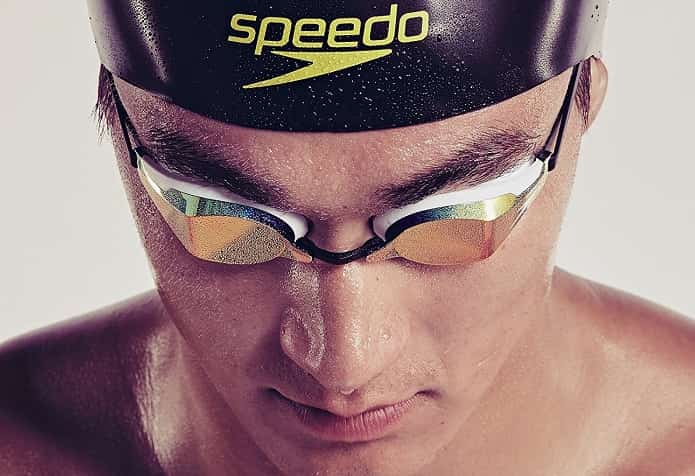
Your choice of goggles depends on the type of swimming you’re doing. If you’re swimming in open water, larger goggles are an advantage. But if you’re swimming in the pool, a small, streamlined pair is best.
You can read more here about:
Flippers are great when you want to focus on your arm technique and body position. When you work on these two areas, your swimming naturally slows down so much that it’s hard to keep a proper, natural position in the water.
This is where flippers help you maintain good speed, so you don’t stall in the water while focusing on technique. Flippers also help you practise your technique at race pace without having to work at maximum intensity.
Finally, flippers are great to use during warm-ups and cool-downs because they reduce the strain on your arms and shoulders before your muscles are properly warm.
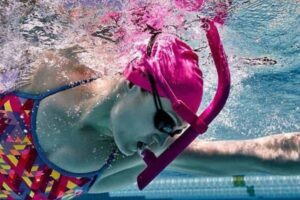
A snorkel is by far the best piece of equipment if you want to improve your body position in the water. Using a swimming snorkel removes the need to turn your head to breathe, allowing you to maintain a steady body position the entire time.
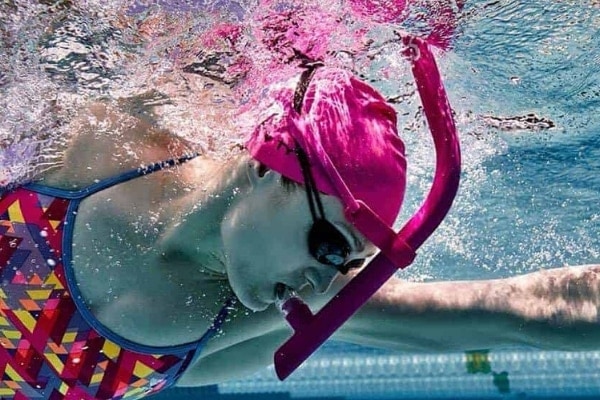
A swimming snorkel is also ideal when doing plenty of kick sets with a kickboard. Swimmers often arch their lower backs when coming up for air, but with a snorkel, you can keep your head down and still breathe comfortably. This lets you train your kick technique in your natural swimming position.
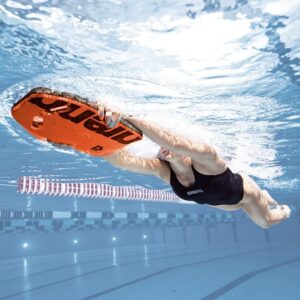
A kickboard is used to train your legs. You simply take your arms out of the equation, so all you have to focus on is kicking. It stops your upper body from sinking and generally keeps you afloat.
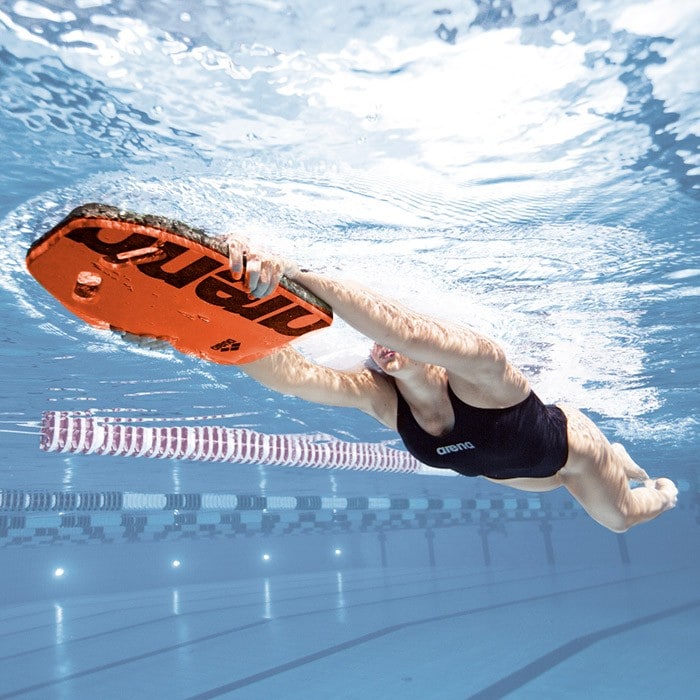
If you use a kickboard along with a snorkel, you don’t even have to lift your head out of the water to breathe. This lets you train your kick in your natural swimming position.
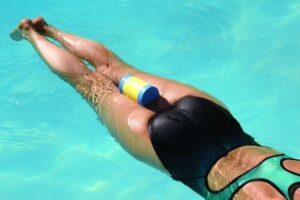
A pull buoy is placed between your legs right up at your groin, giving buoyancy to your hips and legs. It’s a great advantage when working on arm technique or upper-body strength, as it removes the need to kick.
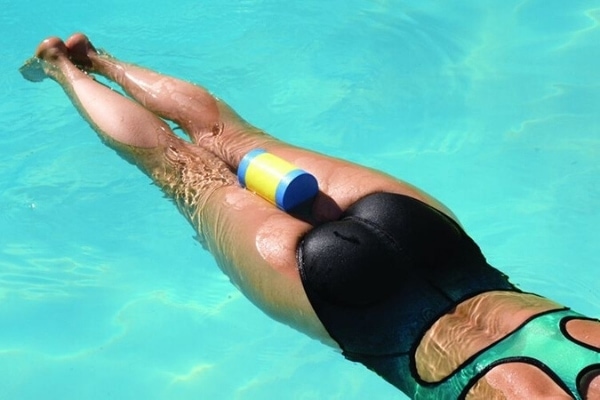
In short, you isolate your arms so you can focus completely on them. This frees up plenty of energy and gives you immediate feedback on whether your arm technique and stroke strength are improving.
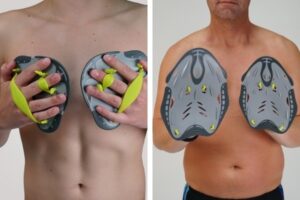
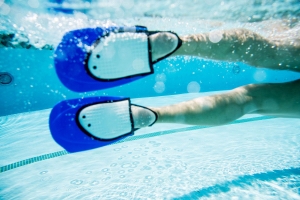
Finger paddles or hand paddles are secured to your middle finger with an elastic strap. They give you brilliant feedback on whether you’re catching the water properly throughout your entire arm stroke.
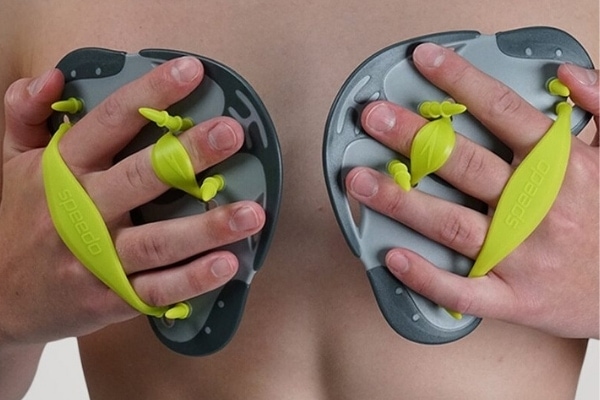
With a pair of finger paddles, you’ll quickly notice if you have any dead spots in your stroke, or if you’re finishing your push phase too early.
On top of that, finger paddles – and hand paddles in particular – are great for functional arm strength training. Paddles increase the surface area of your hand, giving you a larger surface to pull through the water. Your muscles have to work harder to propel you forward – much like riding a bike in a high gear.
A mesh swim bag isn’t strictly essential for your technique, but it’s an absolute must-have when you want to keep all your swim gear organised. A good mesh bag has room for all your kit, keeping everything neatly together in one place.
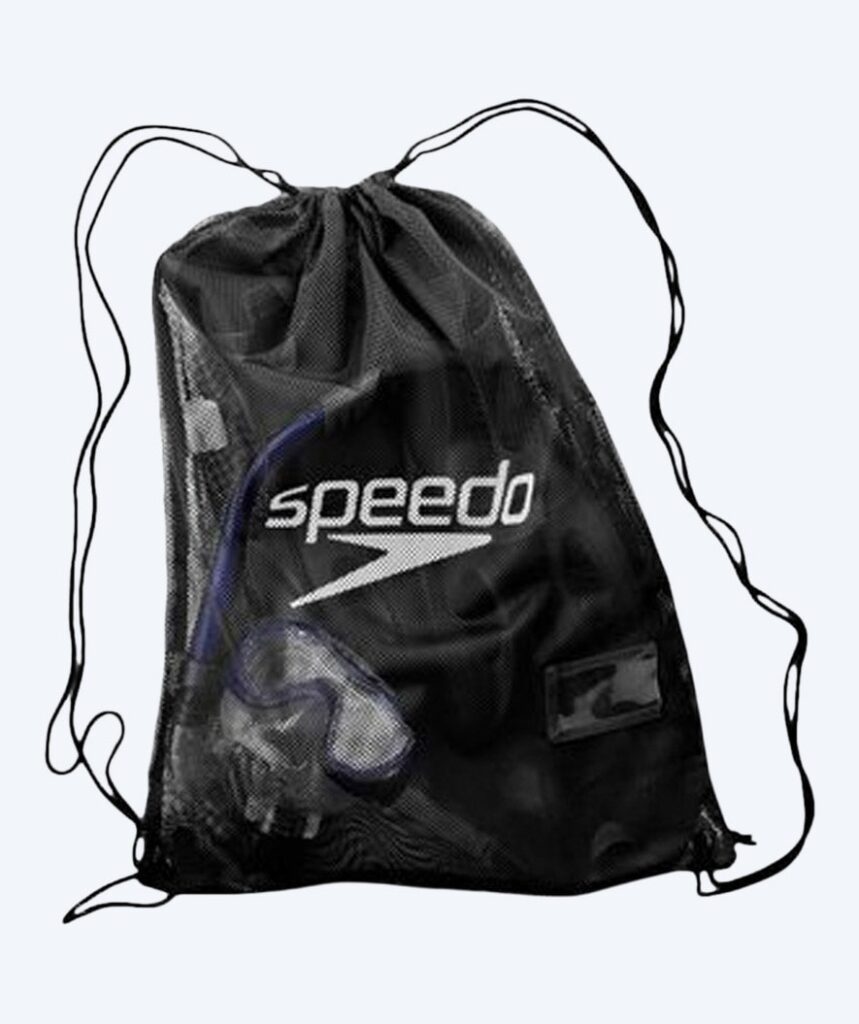
Many mesh bags also feature an extra pocket for items like your goggles, swim caps and earplugs. It’s also really handy if your mesh bag has a dedicated pocket for your water bottle.
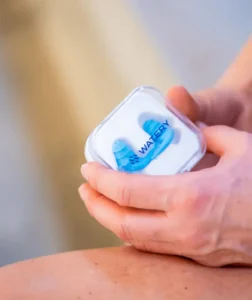
Not all swimmers use them, but swimming earplugs are a great piece of gear when you want to protect your ears. Water in your ears can quickly lead to an infection, which causes mild irritation in the ear canals at best and can be downright painful at worst.
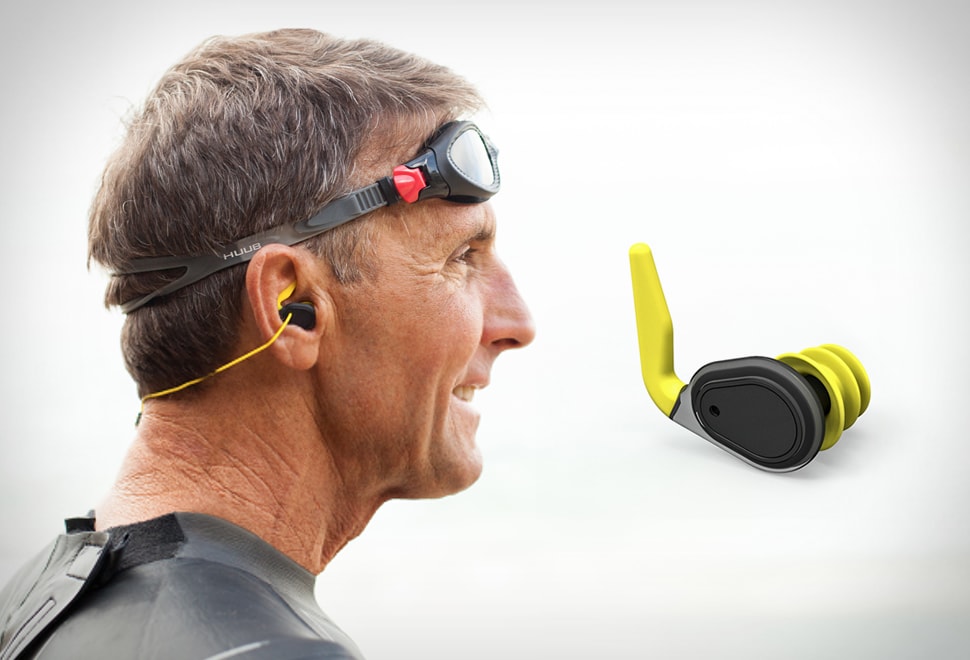
Water in your ears also causes a noticeable reduction in your hearing. You can easily prevent this with a pair of earplugs.
A nose clip is a really useful piece of kit when you want to keep water from rushing up your nose. It is usually not an issue when doing front crawl, breaststroke or butterfly. But especially during backstroke, water has an annoying tendency to get up your nose. It is really irritating and makes it much harder to breathe properly.
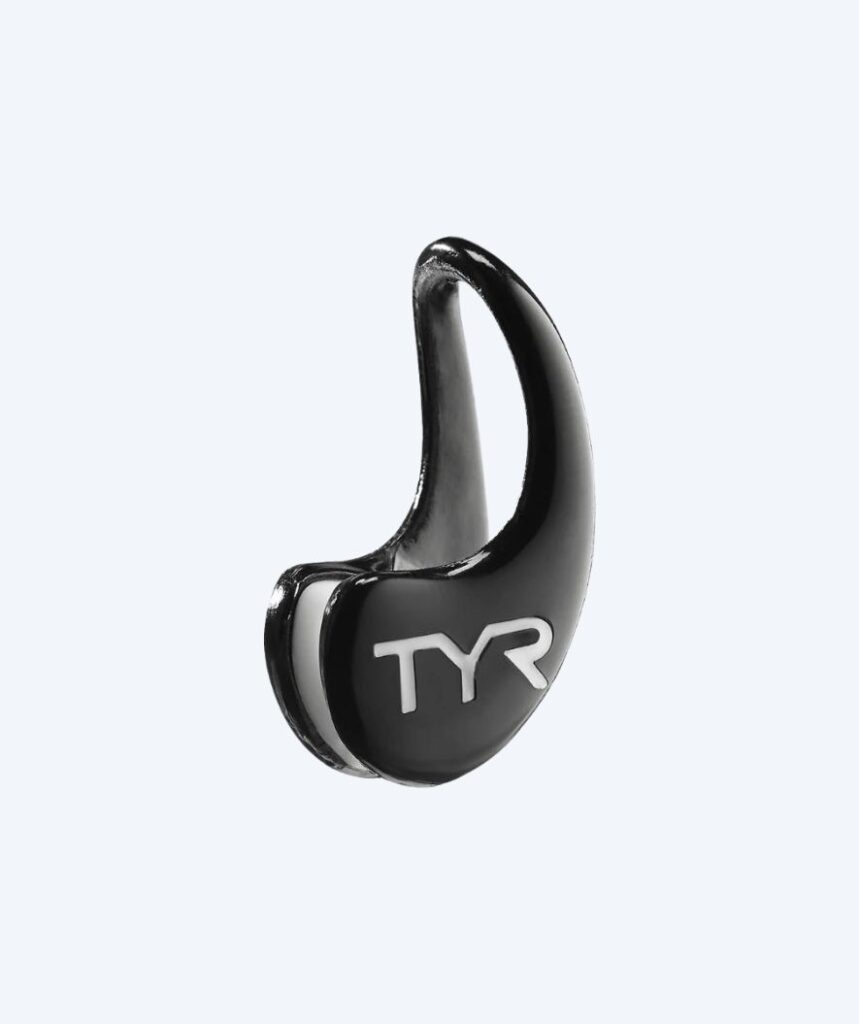
Just like with your ears, water in your nose can also cause inflammation, which is definitely not nice to swim with.
When you use a nose clip, you will not get any water in your nose. That can be a massive advantage, especially when swimming backstroke.
A swim vest is mainly designed for kids who are learning to swim, but they are also available for adults. With a swim vest, your child does not need to use swim belts and armbands that restrict their free movement.
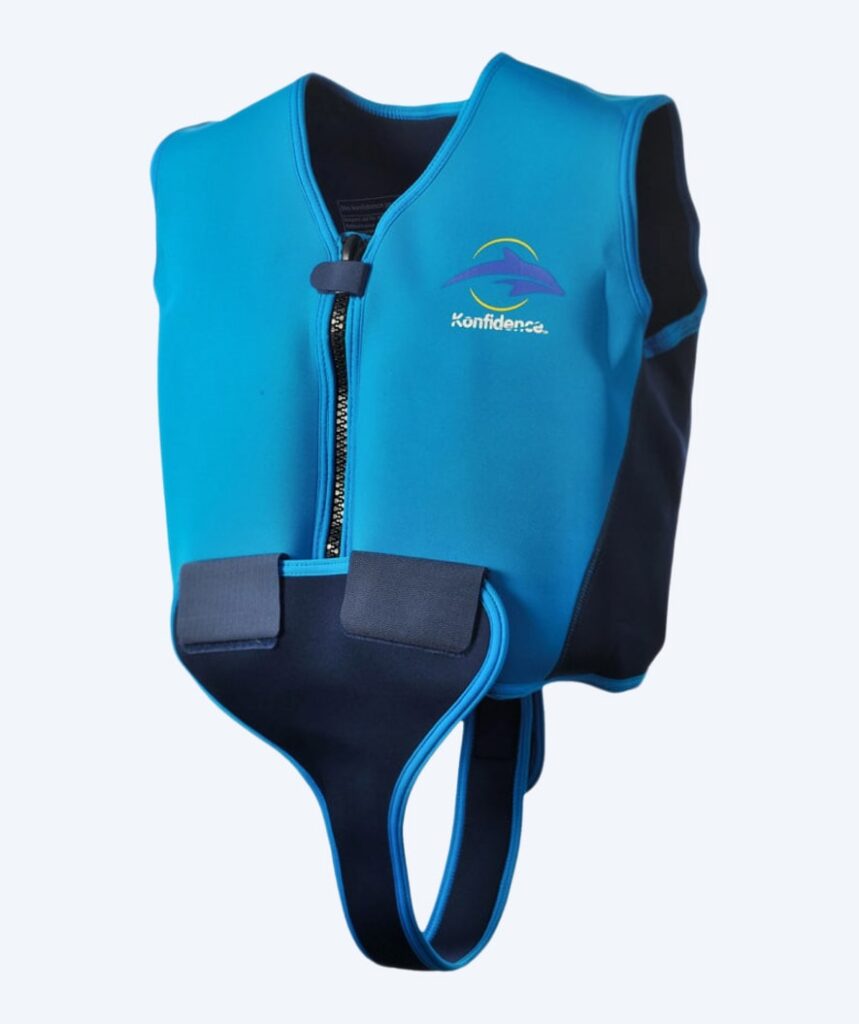
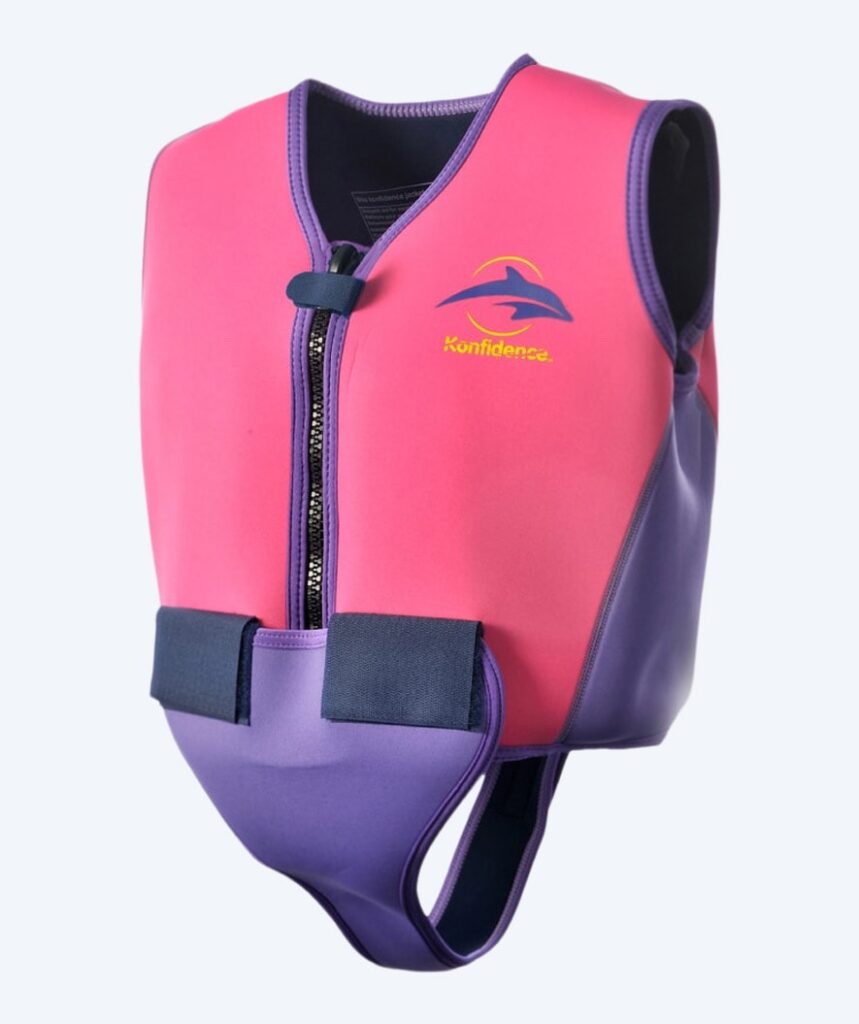
A swim vest helps your child stay afloat while letting them move completely naturally and freely in the water. If you choose one of the top swim vests, they even have a handle on the back so you can support your child at the surface and help them feel much safer.
A swim cap has several benefits. For example, it helps protect your hair from chlorinated water, keeps your head warm, and reduces drag because it tucks away your hair and the top of your ears.
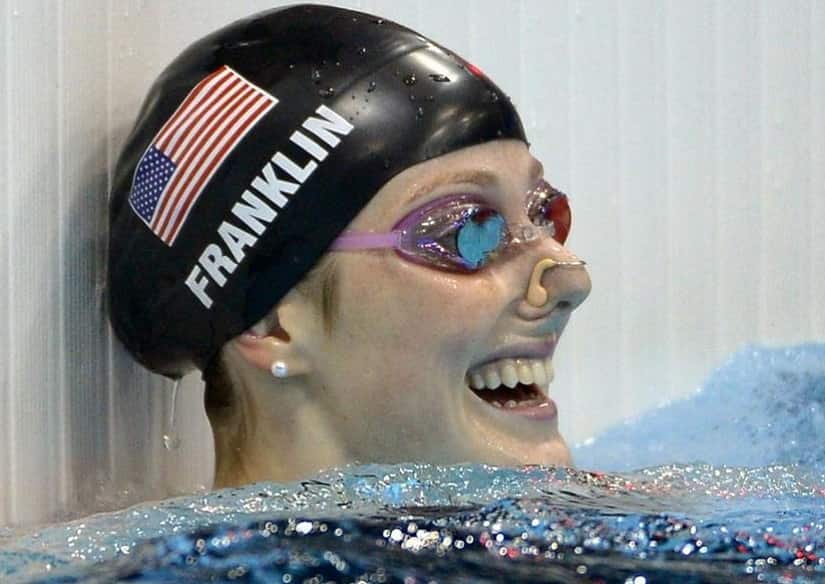
Water glides past more easily, significantly reducing drag.
A towel isn’t exactly a piece of gear that helps improve your technique. But it lets you dry off when you get out of the pool. And that means you won’t start freezing the moment you leave the water.
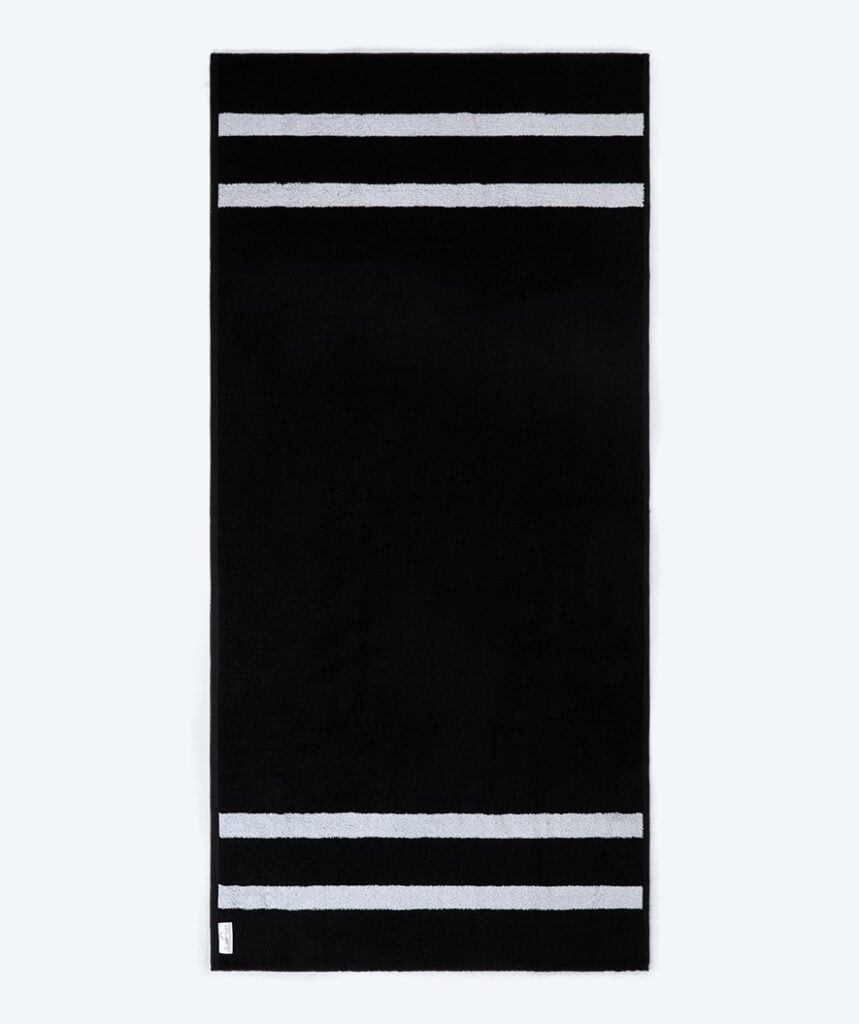
As a swimmer, a microfibre towel is a real advantage. It doesn’t absorb water the same way a traditional towel does. You can use it to dry off multiple times without it getting heavy and soaking wet in your swim bag.
When you train a lot, you’re bound to get sore, stiff muscles. But with a foam roller, you can lie on the floor at the pool or in front of the TV at home to ease your tight swimming muscles.
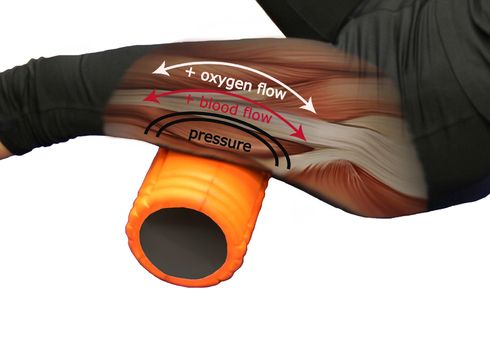
A foam roller is great for preventing muscle injuries and supporting general muscle recovery. And you can do it all without having to book a massage or visit a physio. In short, you’ll recover faster so you’re ready to train hard again sooner.
As you can see, there are plenty of different types of swimming gear out there. And for each type, you’ll find heaps of different models from almost as many brands.
To make it easier for you to pick the best gear, we’ve reviewed and evaluated a wide range of products across the most essential categories.
Based on these evaluations, we’ve selected at least one top recommendation – and in some cases, several.
A good pair of swimming goggles is essential for seeing clearly underwater. But that shouldn’t come at the cost of extra drag. Based on these two criteria, I’ve tracked down the best goggles for adults and the best goggles for kids.
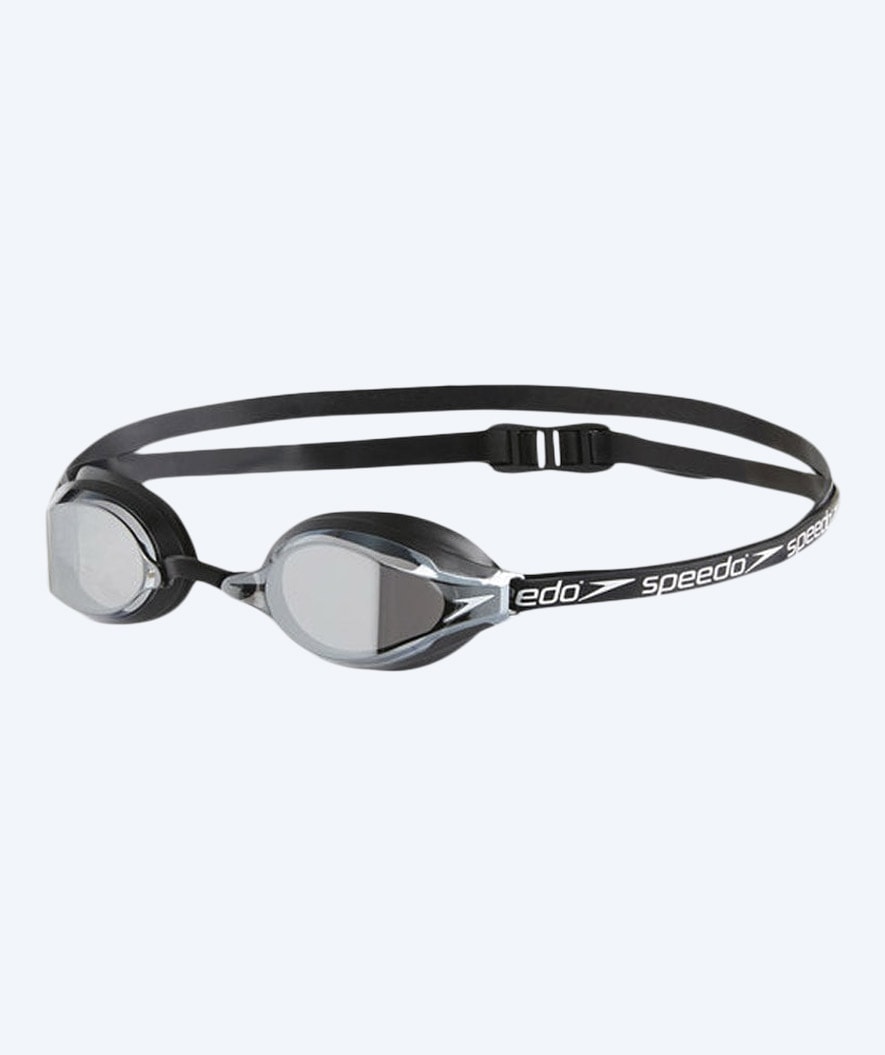
With a pair of Speedo Speedsocket 2.0 Mirror goggles, you get goggles that never let water in. They simply sit completely flush around your eyes, so you won’t get annoyed by leaks.
The lenses are mirrored, reflecting bright light away from your eyes. This gives you a darker view, which in turn helps you focus better on the metres ahead. On top of that, they’re 100% hydrodynamically optimised to give you minimal drag in the water.
Speedo Speedsocket 2.0 Mirror goggles are used by many of the world’s very best swimmers. And for good reason – they’re among the top goggles on the market if you’re serious about your swimming.
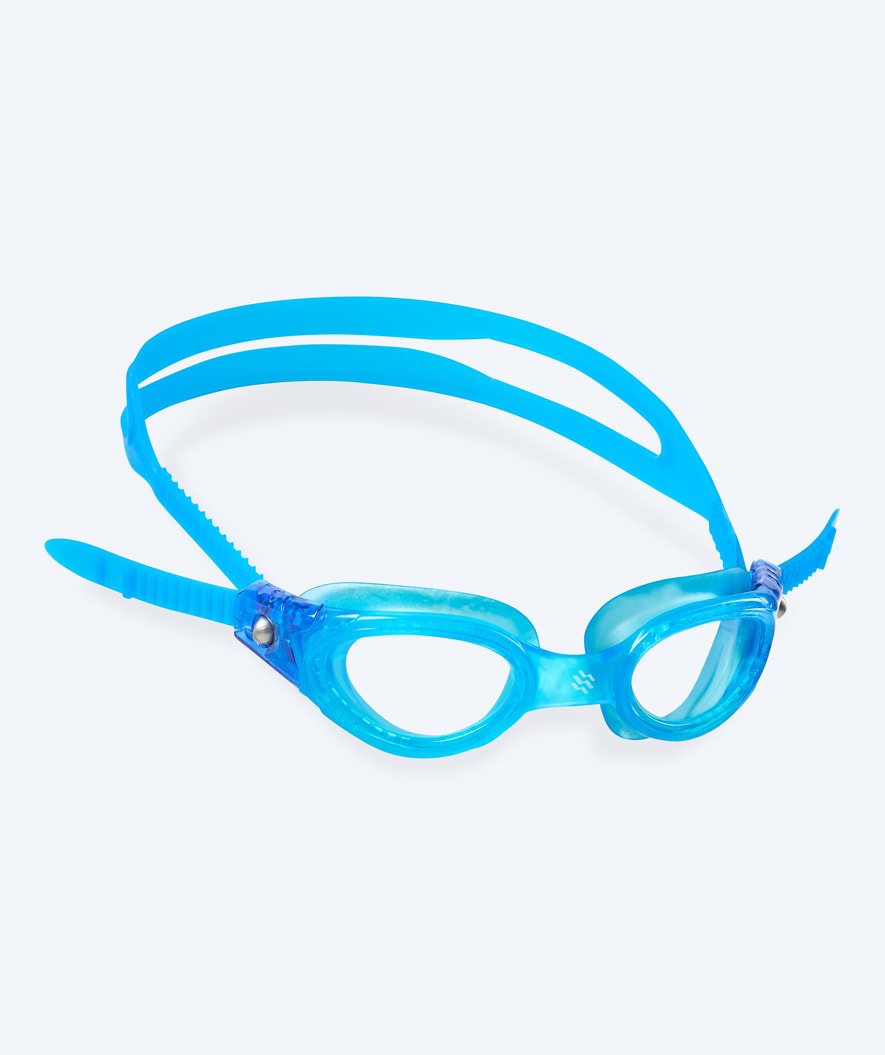
When your junior swimmer heads to the pool, your son or daughter will get the best experience with a pair of Watery swimming goggles for kids – Pacific. They’re super comfortable, great at keeping water out, and offer a surprisingly wide field of vision.
Watery swimming goggles for kids – Pacific rest comfortably around the eye sockets. This makes them much more comfortable to wear than goggles that sit directly inside the eye sockets.
And because they sit around the eyes, there’s also room for larger lenses to improve visibility. That view is enhanced even further because these goggles come with clear lenses. This lets your child see everything around them without colours being distorted by a tinted lens.
Fins are some of the most important pieces of kit you can use as a swimmer. The biggest drain on your oxygen when swimming is actually your legs. But when you put on fins, you don’t have to work as hard with your legs to get propulsion. That gives you more energy, so you can focus better on your swimming technique.
Below, we’ve gathered two of the best fins we recommend. One model features an open heel and is ideal for competitive swimmers, while the other model has a closed heel.
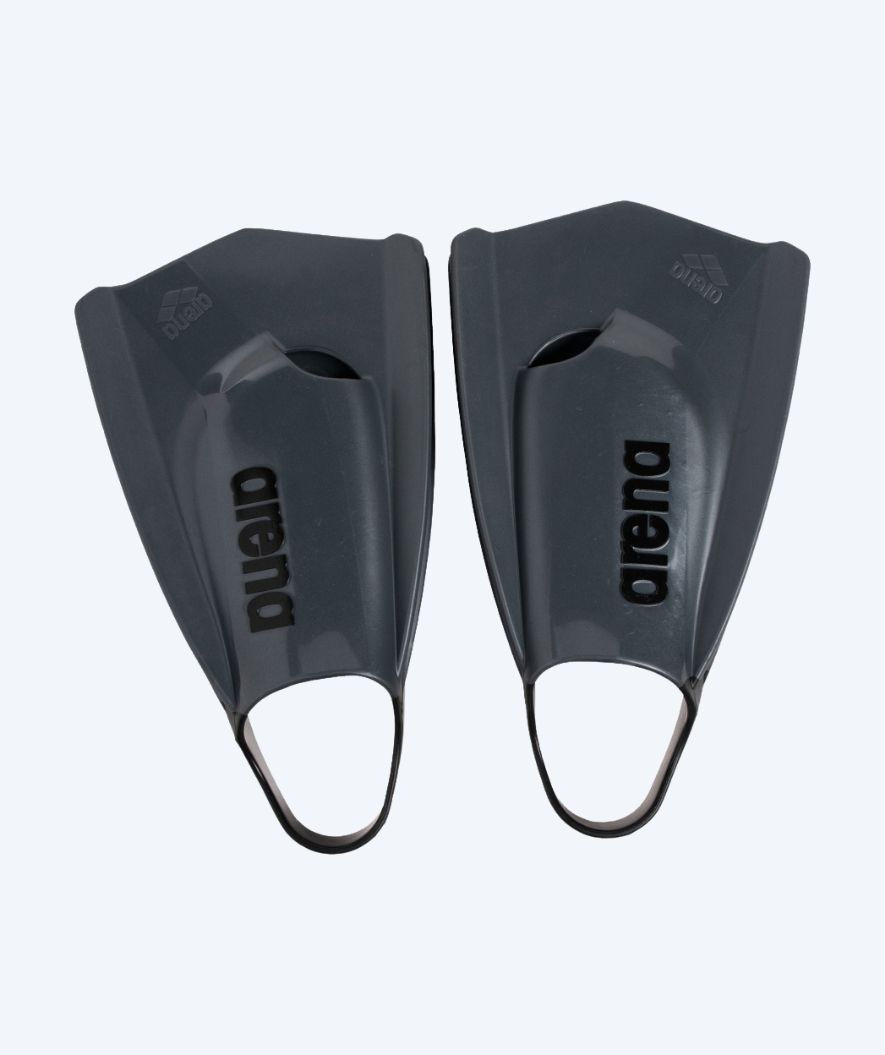
With a pair of Arena Powerfin Pro fins, you get the absolute best pair of fins available for competitive and fitness swimmers. That’s because they put the least strain on your muscles, tendons, and joints, while giving you an exceptional amount of propulsion.
On the underside, you’ll find specially designed grooves that grip the water better when you kick.
Because they feature an open heel, you also reduce the risk of blisters on your heel and the lower part of your Achilles tendon. The risk of cramps is minimised too, as the Arena Powerfin Pro lets your foot move in the most natural way.
Plus, the blade itself is quite short, allowing you to kick at a high frequency. That’s a huge advantage!
So if you’re serious about your swim training, a pair of Arena Powerfin Pros is simply indispensable.
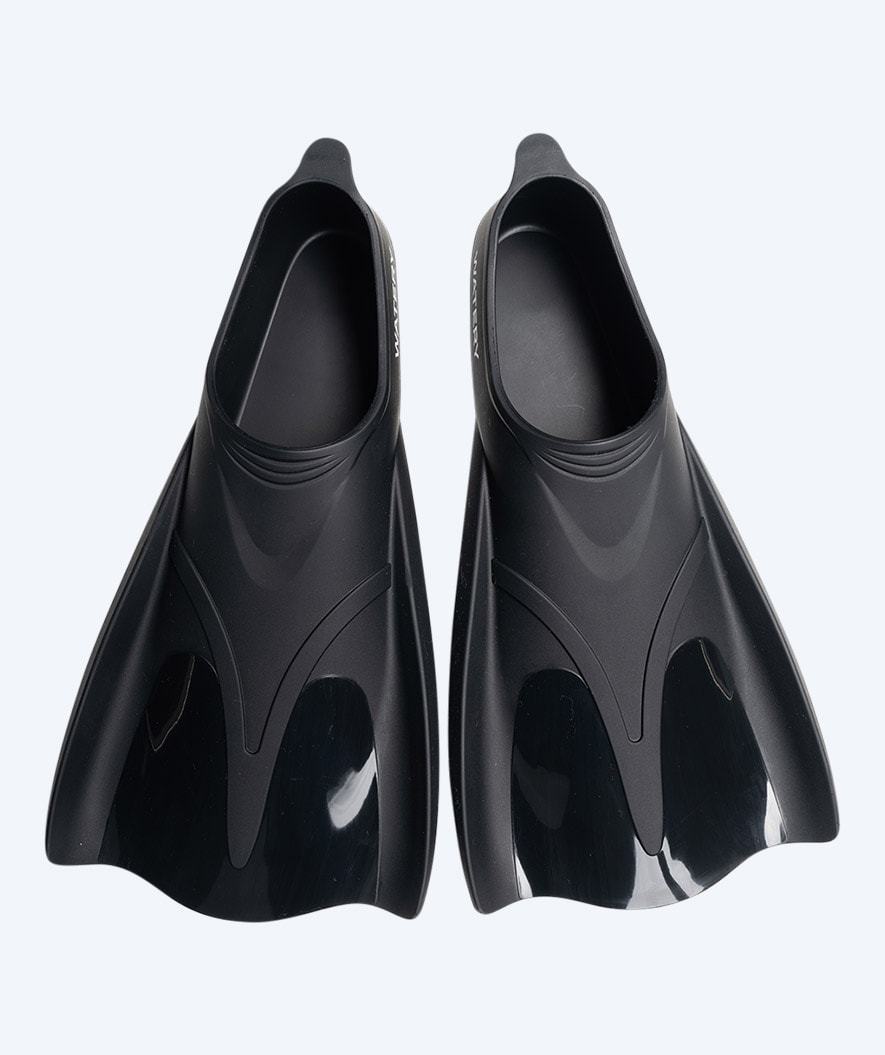
If you prefer fins with a closed heel, the best pair you can get is Watery Badger Active. Here, you get a pair of fins that can be used by swimmers of all levels and largely provide the same benefits as the Arena Powerfin Pro.
However, they feature a closed heel and are slightly stiffer. This means they put a bit more strain on your muscles, tendons and joints. In return, they deliver exceptional propulsion with every kick! They’re also remarkably durable, so when you buy a pair of Watery Badger Active fins, you can be sure they’ll last for years.
For dedicated technique training, I find that the Watery Badger Active fins are too stiff because they make a high kick tempo impossible. But if you want to increase the strength of your kick, they’re worth every cent.
To practise your body position in the water – or to achieve a natural alignment during kick sets – you need a snorkel. We’ve selected two of the best models: one snorkel for adults and one for children and teens.
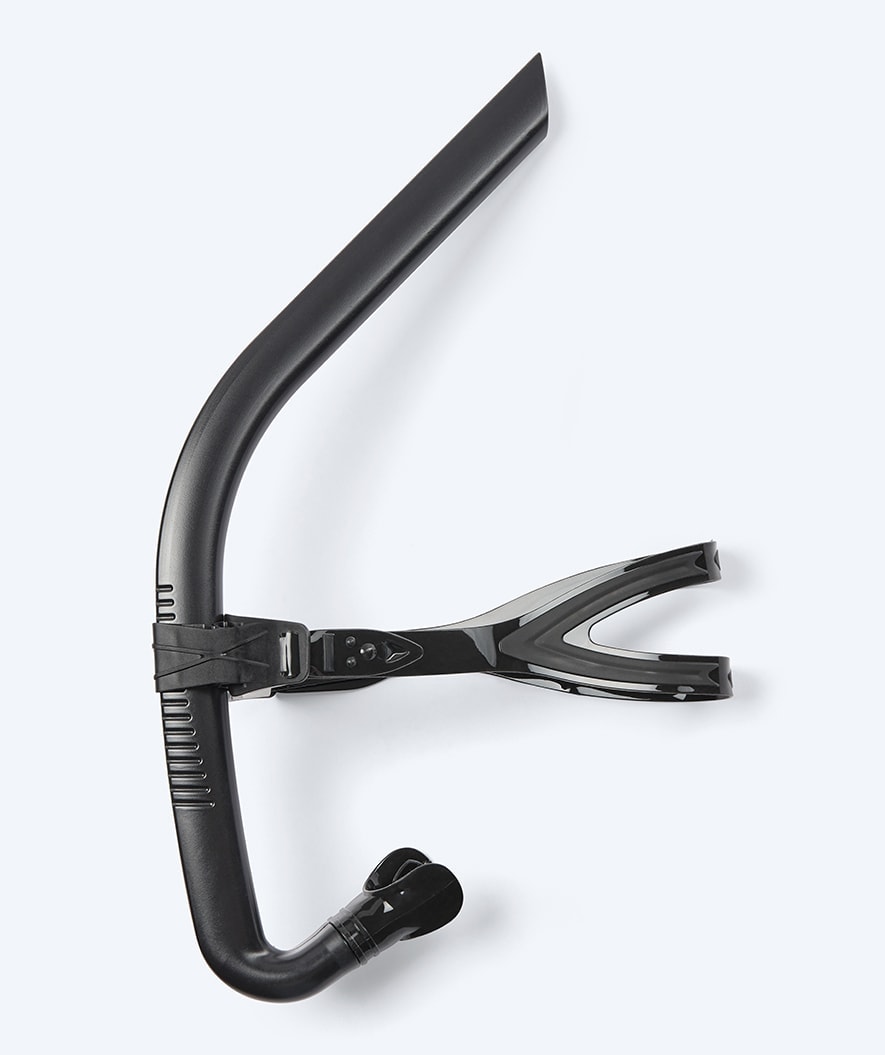
As an adult (16 years or older), you won’t find a swim snorkel better than the Watery centre snorkel – Ultralight. With this centre snorkel’s lightweight design, you get the ideal setup to work intensely on your swimming technique, improve your lung capacity and keep great body alignment in the water.
It’s comfortably soft thanks to the padded head bracket. The triangular tube profile minimises water resistance. Plus, it stays securely in place, even during high-speed tumble turns.
The triangular profile of the tube also helps you train oxygen uptake and improve oxygen efficiency in working muscles. That’s why the Watery centre snorkel – Ultralight is simply the best snorkel on the market for swimmers aged 16 and over.
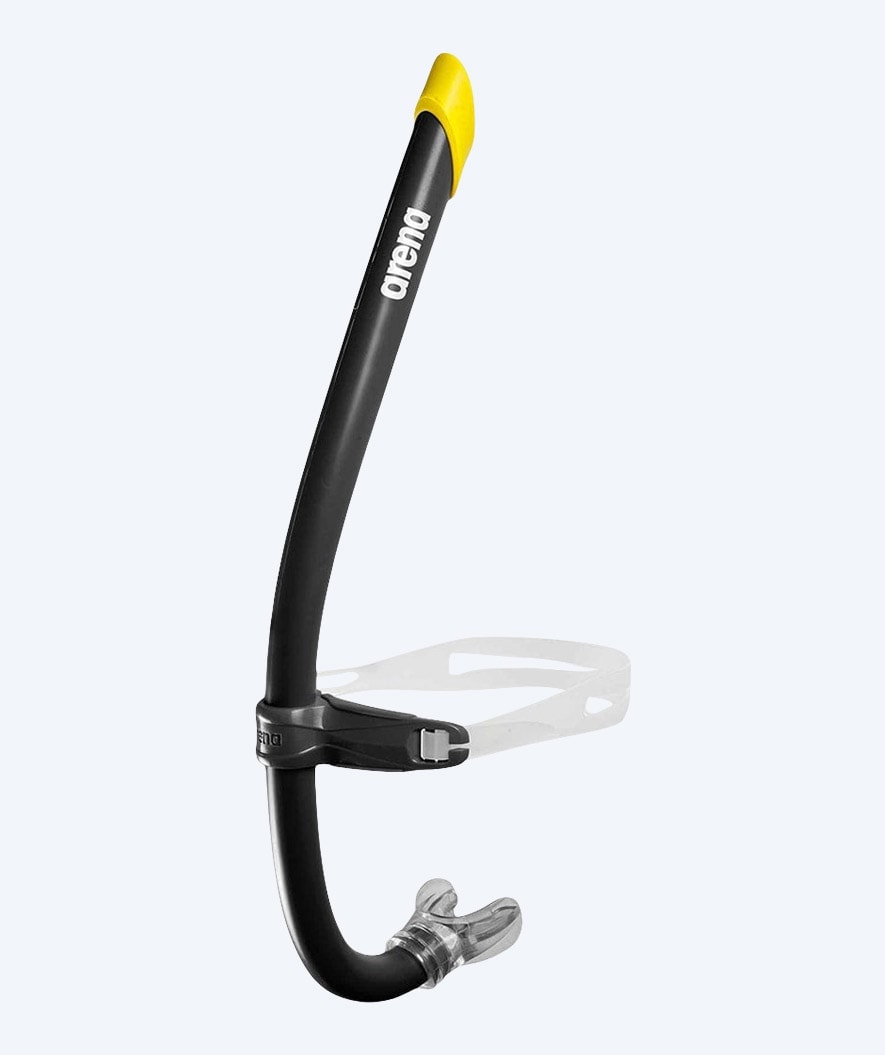
Kids and teens under 16 get just as much out of training with a snorkel as older swimmers do. However, their lung capacity won’t be able to handle the airflow in full-sized snorkels. Luckily, Arena has made the absolute best junior snorkel: the Arena Swim Snorkel Junior.
It features a lovely soft mouthpiece and head support, making it comfortable to swim longer sets with. It also has a built-in one-way purge valve, ensuring it’s easy to blow water out if any gets into the snorkel.
It really is a fantastic snorkel for swimmers under 16!
When you want to work on your kick, whether it’s to build strength or improve technique, you’ll need a kickboard. And there’s one model that stands out as the best of its kind.
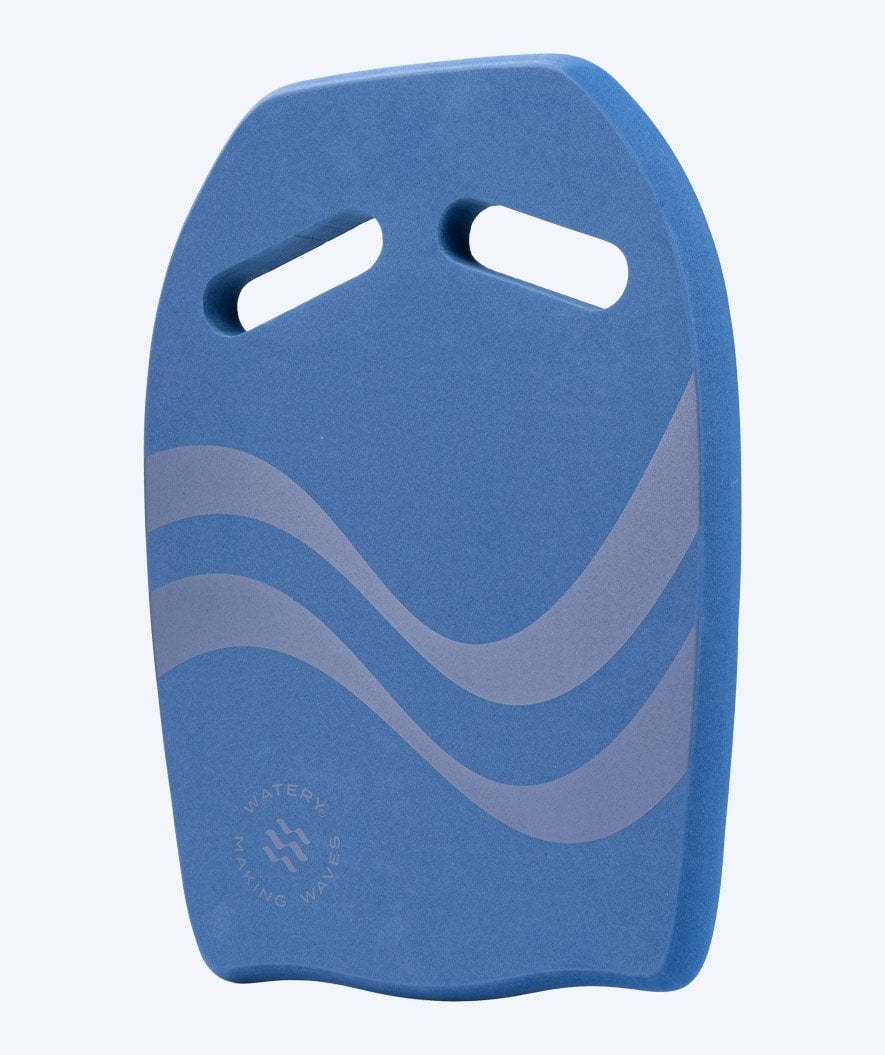
No other kickboard comes close to the Watery kickboard – Heat. I simply love it because the design makes it so easy to train with.
The surface is nice and soft, making it comfortable to use. Your arms rest naturally on top of the board, helping you protect the muscles in your arms, shoulders, and back.
It’s hard to imagine a kickboard that beats this one from Watery – unless we develop an even better one ourselves one day.
When you want to isolate your arms so you can focus on propulsion purely from your upper body, you need a pull buoy. It provides buoyancy for your hips and legs, so you don’t have to kick to keep your body afloat.
And here, there’s one pull buoy in particular that stands out from the rest.
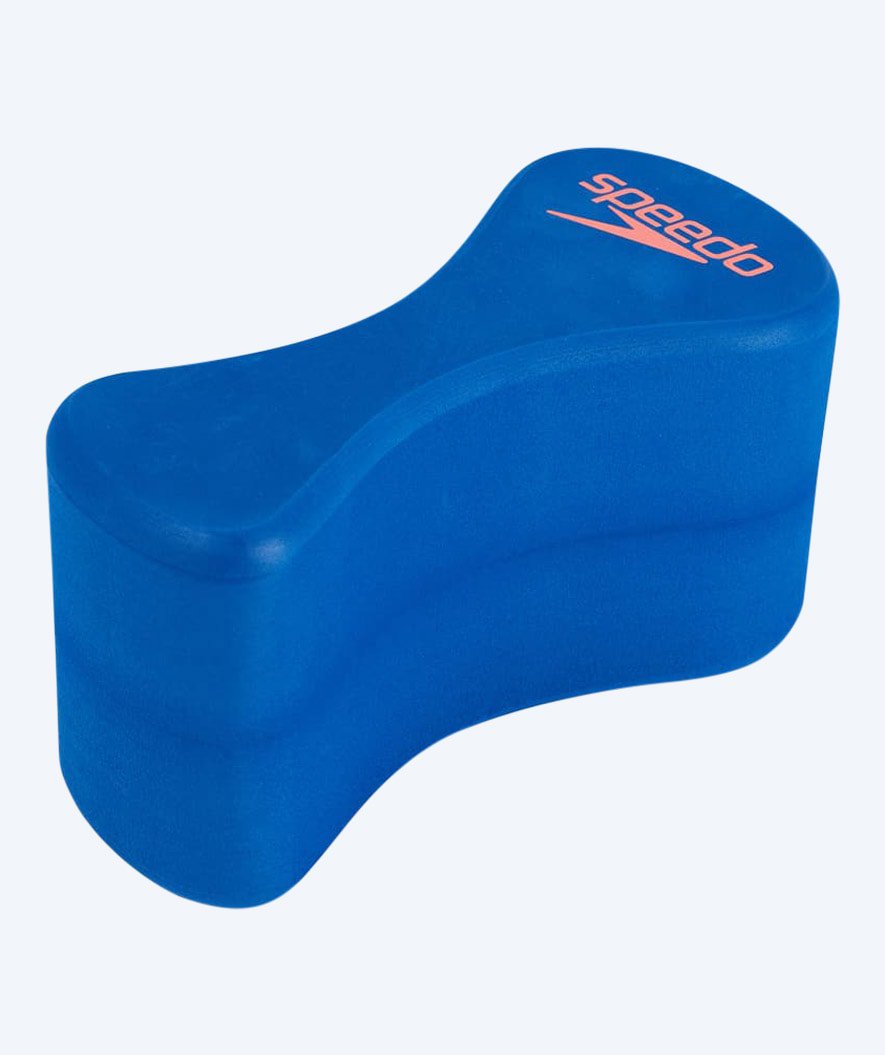
There’s no doubt that the Speedo Elite Pullbuoy is one of the most well-designed pull buoys for both fitness and competitive training.
Its asymmetrical design ensures it sits securely and comfortably between your thighs. It doesn’t tend to slide down like many other pull buoys do. Plus, it’s relatively large, which provides significant buoyancy.
It also stays in place during turns and is comfortable to use even during longer swim sets – up to 500 metres at a time – without causing discomfort or chafing, which many swimmers have experienced with other models.
That’s why we consider the Speedo Elite Pullbuoy the best choice for anyone training seriously in the pool.
Other reviews of the Speedo Elite Limited Pullbuoy
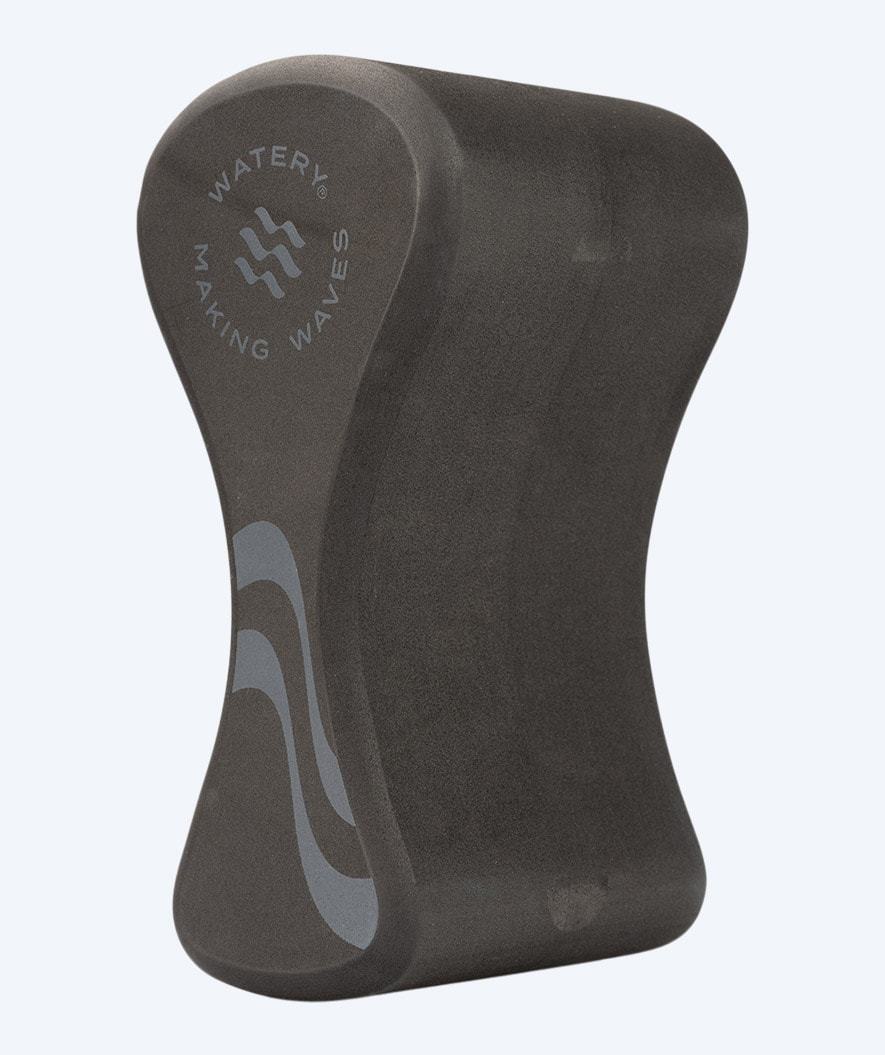
The Watery Heat Pull Buoy is perfect for training your upper body by aligning you from head to toe and improving your symmetry while swimming. Made from EVA foam for optimal buoyancy while minimising skin irritation. The best choice for both competitive and leisure swimmers.
Build upper body strength with the Watery Pull Buoy. Simply place the pull buoy between your thighs and start swimming. The pull buoy helps immobilise your legs, letting you build upper body strength throughout your workout and mentally focus on proper hip rotation driven by your core.
If we had to highlight one piece of gear that’s particularly effective for improving stroke technique, it would be finger paddles – or the larger hand paddles. A pair of paddles doesn’t just refine your technique, it builds arm strength too.
The same goes for you as a swimmer – that’s precisely what paddles are designed for. Below, we’ve rounded up the models we rate as the best based on function, fit, and training effect.
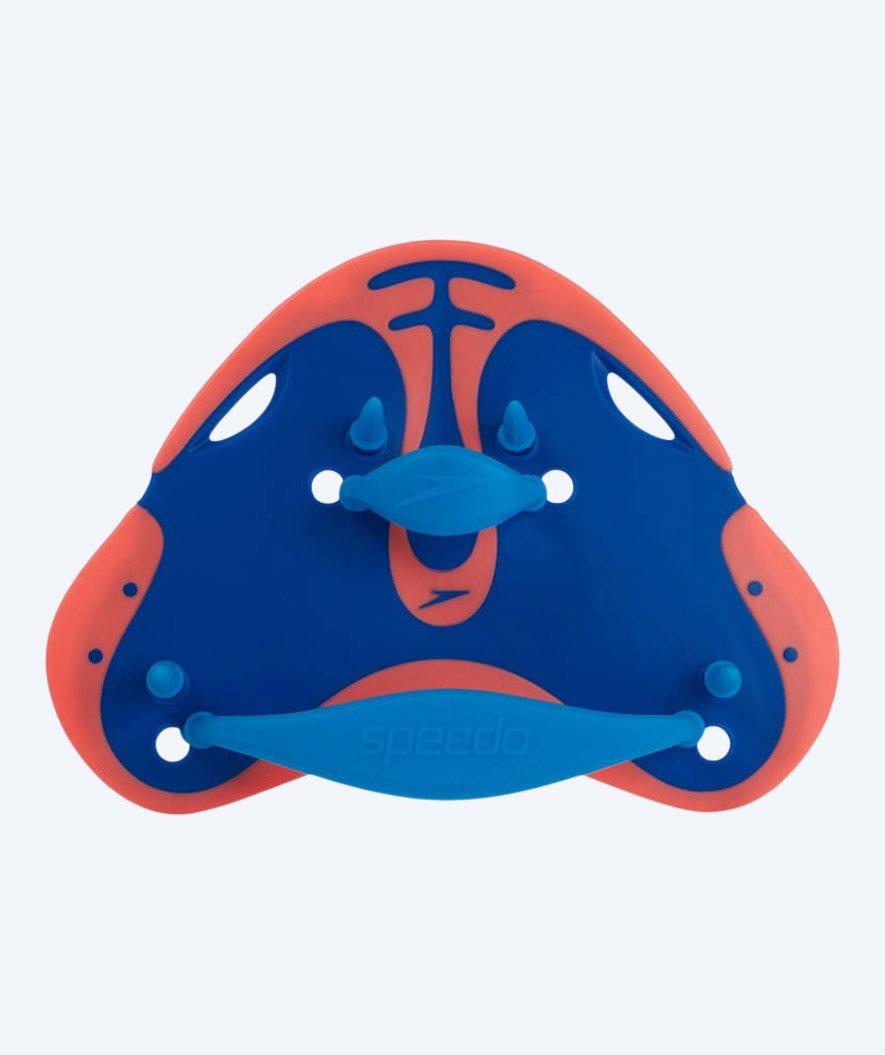
The best finger paddles you can get are without doubt the Speedo Biofuse finger paddles. They’re extremely durable, give instant feedback, and barely take up more room than your palms.
The paddle itself features small holes all around the edge to provide great water flow. The strap that secures the paddle to your middle finger is sturdy and high quality, and it can be adjusted to fit fingers of any size.
The design of the paddle also makes them comfortable to wear during long sets. With a pair of Speedo Biofuse finger paddles, you won’t have to worry about tingling hands even after short sessions.
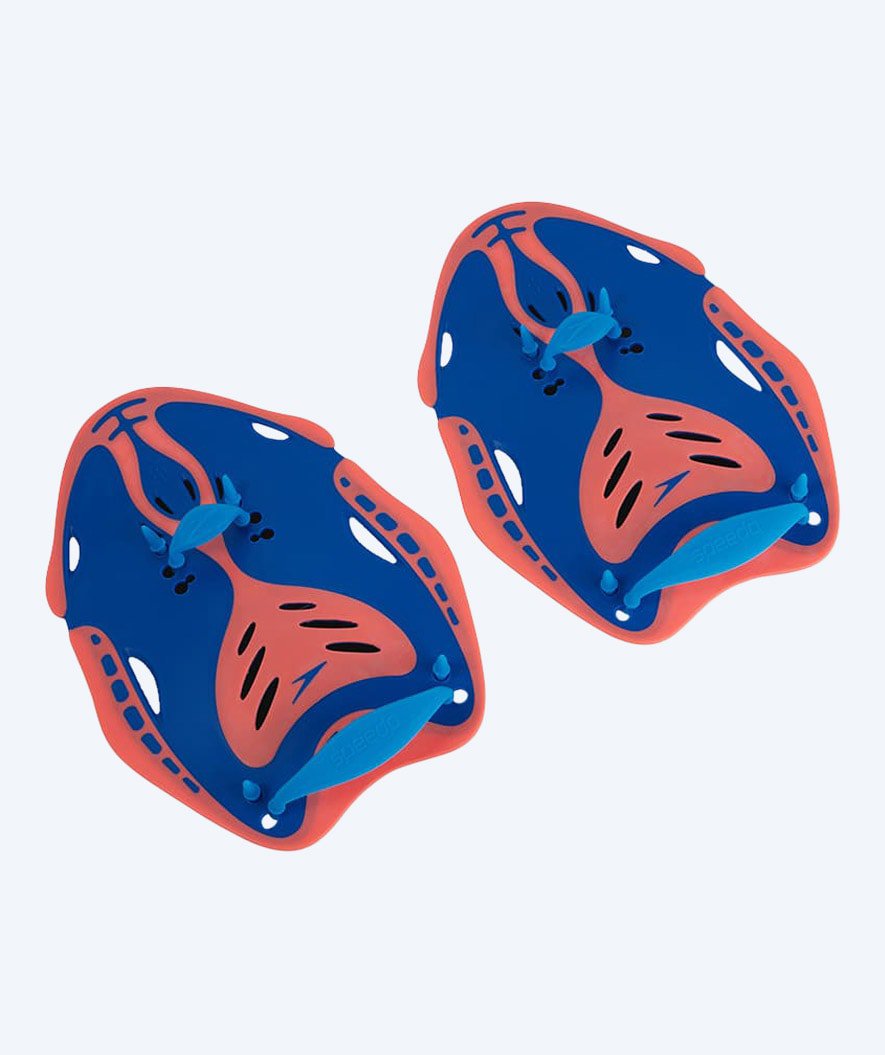
If your focus is building arm strength, you need a slightly larger blade than what finger paddles offer. And that’s exactly what you get with a pair of Speedo Hand Paddles. It’s the same great quality with the same great features. Just with a larger blade, so you build more strength while swimming with them.
One of the issues with hand paddles is that they quickly become uncomfortable to wear. In short, your hands get locked in a very unnatural position that soon makes them tingle or go numb.
However, because these Speedo Hand Paddles are ergonomically designed, you can wear them for much longer before any discomfort sets in. And we’re talking about swimming some really long sets here.
The small holes positioned all the way around the edge ensure a steady water flow. This also helps improve overall comfort.
I should point out, though, that hand paddles are strictly for experienced swimmers. Shoulder injuries can easily happen with these paddles, so it’s important not to overuse them. You should already have plenty of swimming kilometres under your belt so your muscles are well-conditioned.
That being said, Speedo Biofuse Hand Paddles are simply the best hand paddles you can get!
A mesh bag won’t improve your swimming technique. But it will make it a whole lot easier to keep track of all your kit. A mesh bag is specifically designed to store and carry your swim equipment.
Some people like simple mesh bags. Others prefer models with more storage options. That’s why we’ve picked a top recommendation for both types – so you can easily find the mesh bag that best suits your needs.
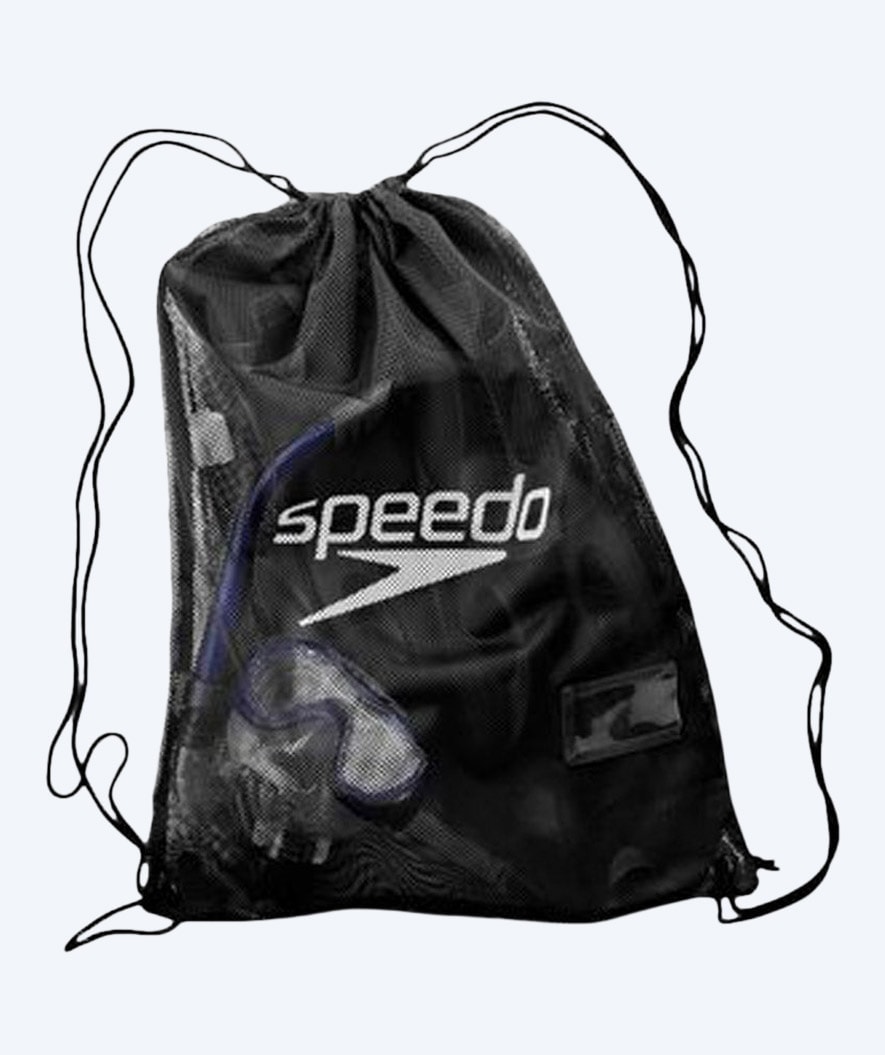
The best of the simple mesh bags is this Speedo mesh bag. It has one large compartment with plenty of room for all your kit. Plus, it’s made entirely of mesh, so water from your wet gear can easily drain out.
On top of that, a Speedo mesh bag is super durable, featuring strong stitching and drawstrings built to handle daily use.
If you want to keep things as simple as possible, you really can’t go wrong with a Speedo mesh bag!
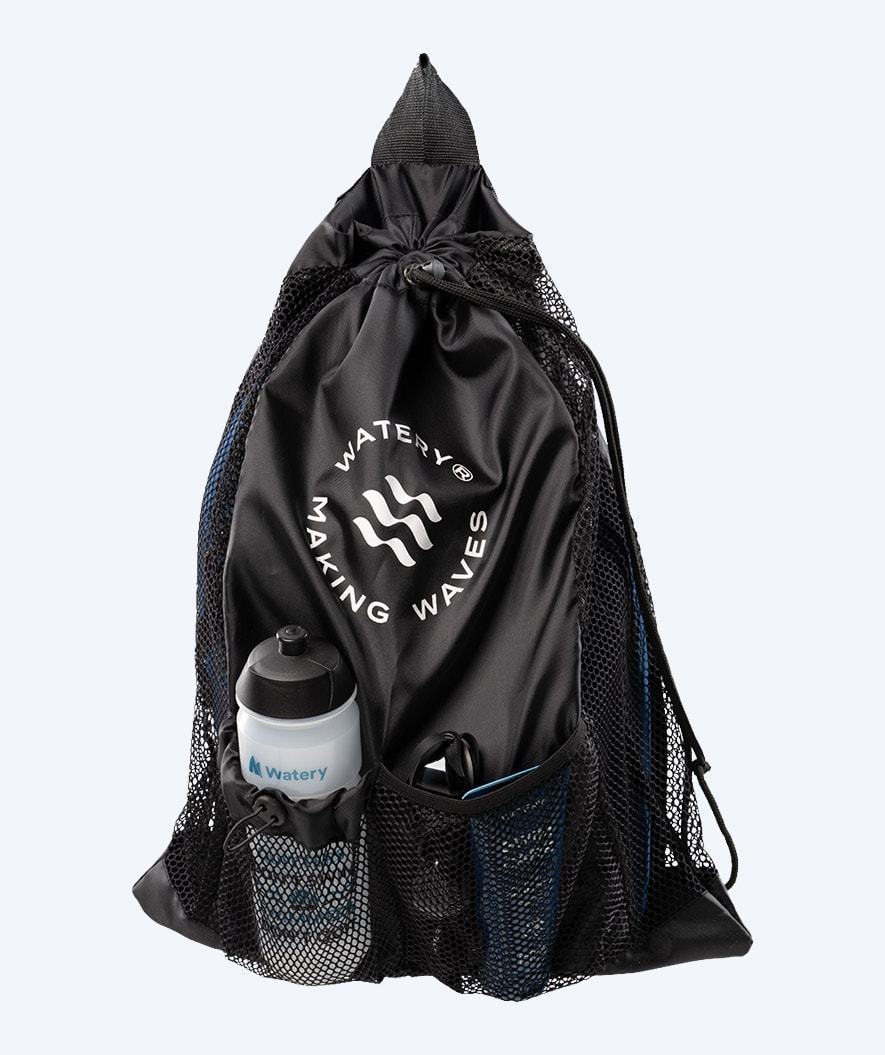
If you need a mesh bag that gives you a bit of extra storage options, you can’t go wrong with a Watery mesh bag. You get one large compartment for your gear, along with two smaller pockets you can use to store water bottles and your other essentials.
At the same time, it’s predominantly made from a single piece of mesh, but with a more solid base. The base has drainage holes, so water from your gear easily drains out. This means you avoid fungus and mould on your kit.
Traditionally, mesh bags like these are incredibly expensive. But a Watery mesh bag is part of swim retailer Watery’s own equipment collection. That’s why the price is well below equivalent models from the big brands. Without compromising on quality either!
That’s why a Watery mesh bag is the best mesh bag with pockets!
To prevent water in the ears and the risk of swimmer’s ear, many swimmers choose to use earplugs. And I’m one of them. Life’s just too short to deal with irritated ear canals and muffled hearing.
And there’s really only one pair of earplugs I’d recommend. You can read more about them below.
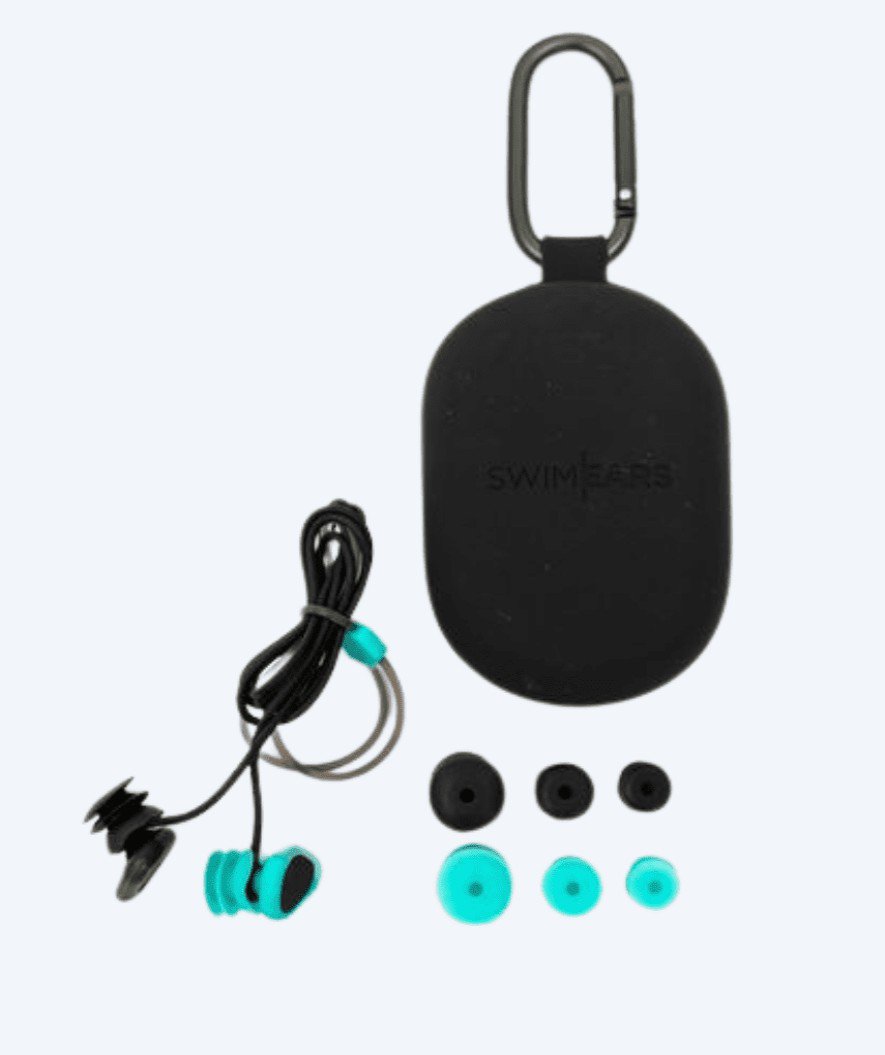
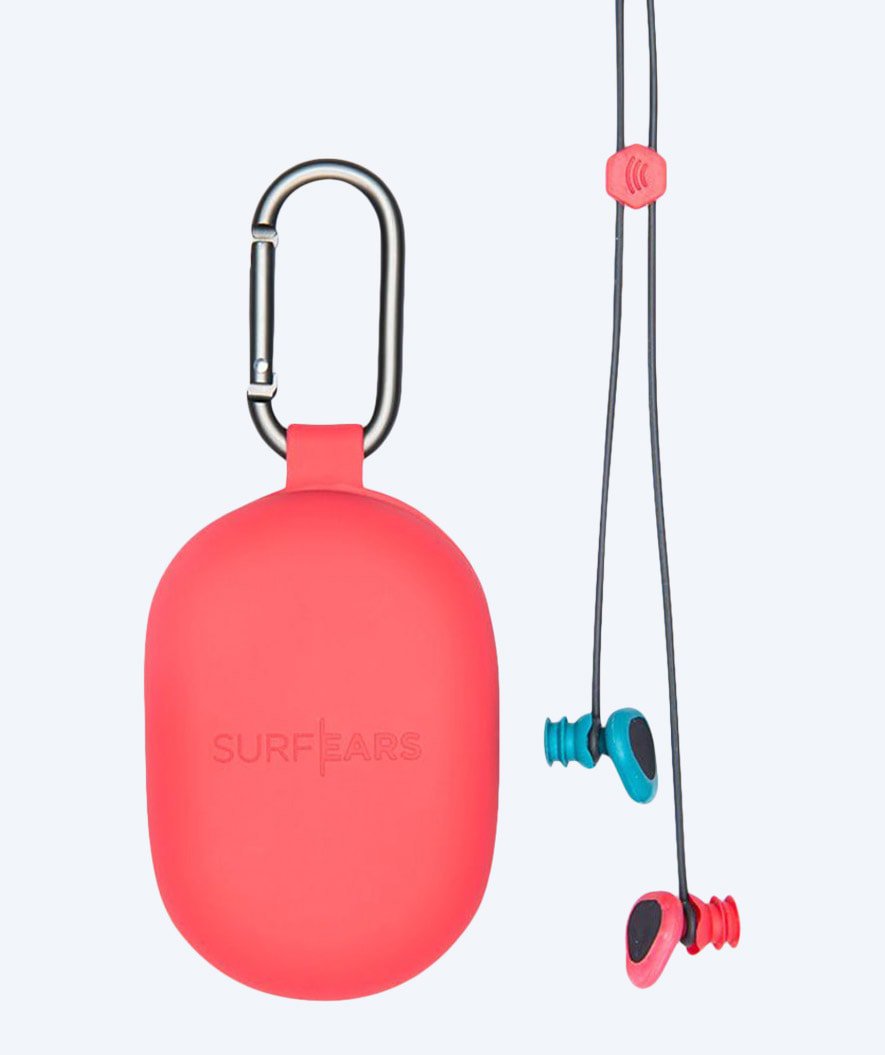
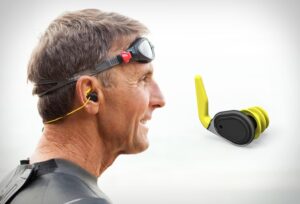
The downside to earplugs is that they reduce your hearing. That means it can be hard to hear what the coach or your lane mates are saying. But when you use a pair of Swimears earplugs, you keep water out while letting sound through perfectly.
In fact, you can hear everything loud and clear with a pair of Swimears earplugs. The water simply doesn’t get in.
On top of that, they’re actually incredibly comfortable. They don’t irritate. And they stay firmly in place, even if you happen to be one of the few swimmers who don’t wear a swim cap.
When Swimears hit the market, they completely transformed swimming earplugs. And not a single manufacturer since has managed to create a pair that works quite as well.
I would never dream of using any other earplugs than Swimears. They protect my ears while letting me hear everything clearly. What more could you ask for?
Especially when swimming backstroke, water has an annoying tendency to run up your nose. It can happen with any stroke, though. But with a nose clip, you avoid that frustrating feeling of water in your nose, which also makes it harder to breathe rhythmically.
Below you’ll find the best nose clip out there.
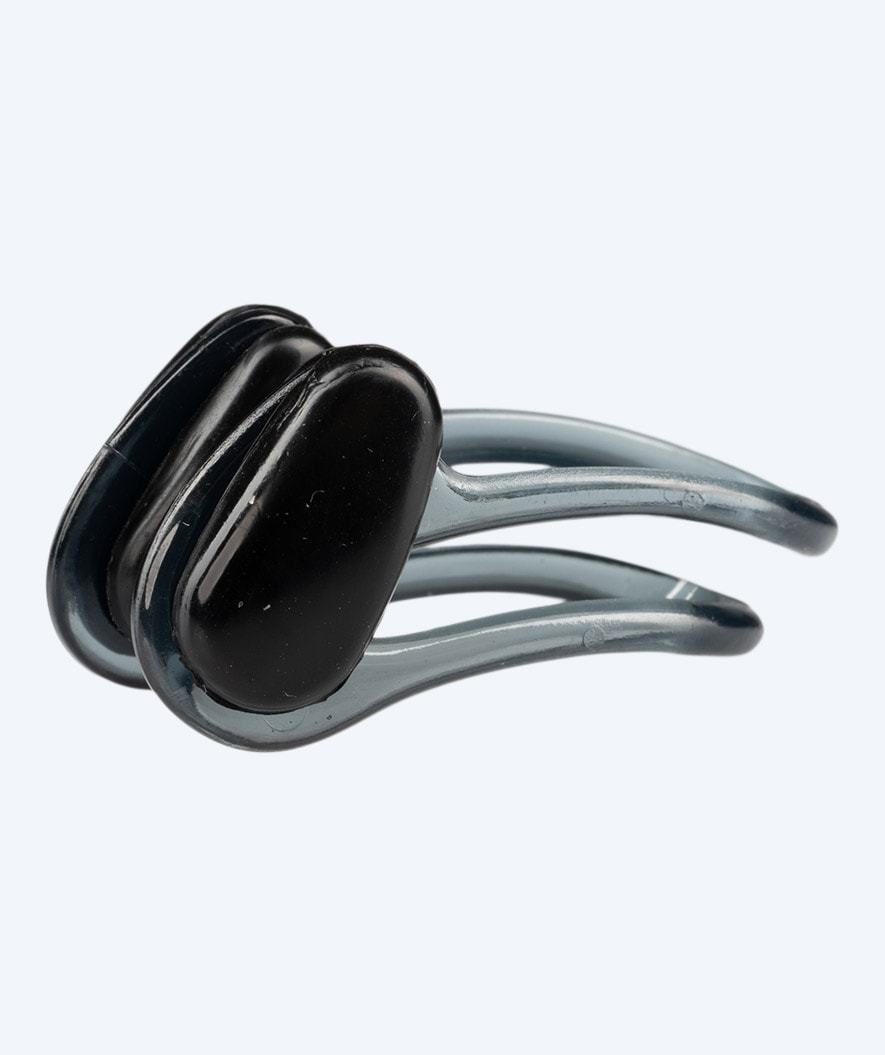
If you want one nose clip that’s suitable for both galas and daily training, you should get a Watery nose clip. It can be used by both kids and adults. Plus, it’s made from memory plastic, so it adapts to your nose and holds its shape from swim to swim.
So it fits perfectly every single time you use it!
At the same time, the nose pad is lovely and soft, so the skin on your nose won’t get irritated. That also makes it surprisingly comfortable.
When your child isn’t fully confident in the water yet, a swim vest can be a great piece of gear. It provides buoyancy across the whole body and completely replaces both swim belts and armbands.
At the same time, your child gets full freedom of movement in a swim vest, which isn’t quite the case with alternatives like armbands and swim belts.
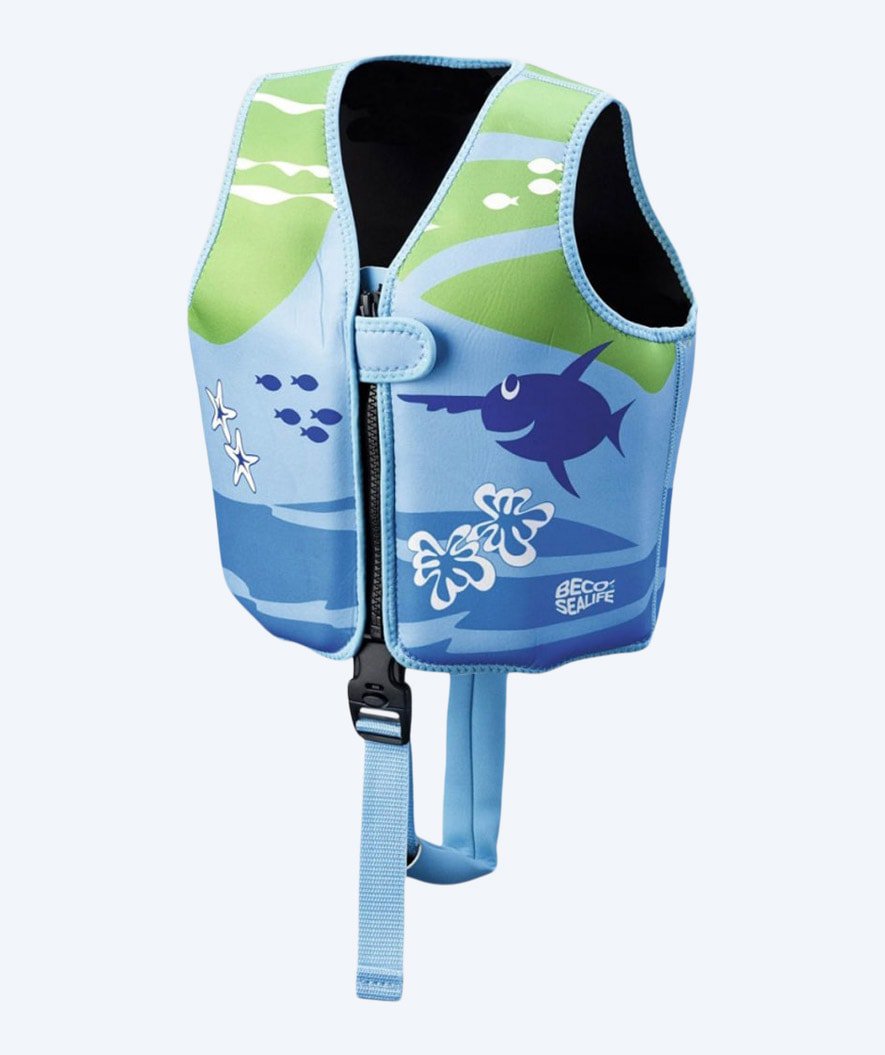
If you want a great swim vest for your child without breaking the bank, you won’t find a better option than a Beco Sealife swim vest. With its crotch strap, you can be sure the vest won’t slip off unexpectedly. Plus, you can remove individual float elements as your child becomes a more confident swimmer.
In terms of sizing, it comes in small and medium, where small is for 12-18 kg and medium is for 18-30 kg. So your child will likely reach around six years old before growing out of their swim vest.
A Beco Sealife swim vest is simply in a class of its own. Especially when you factor in the price.
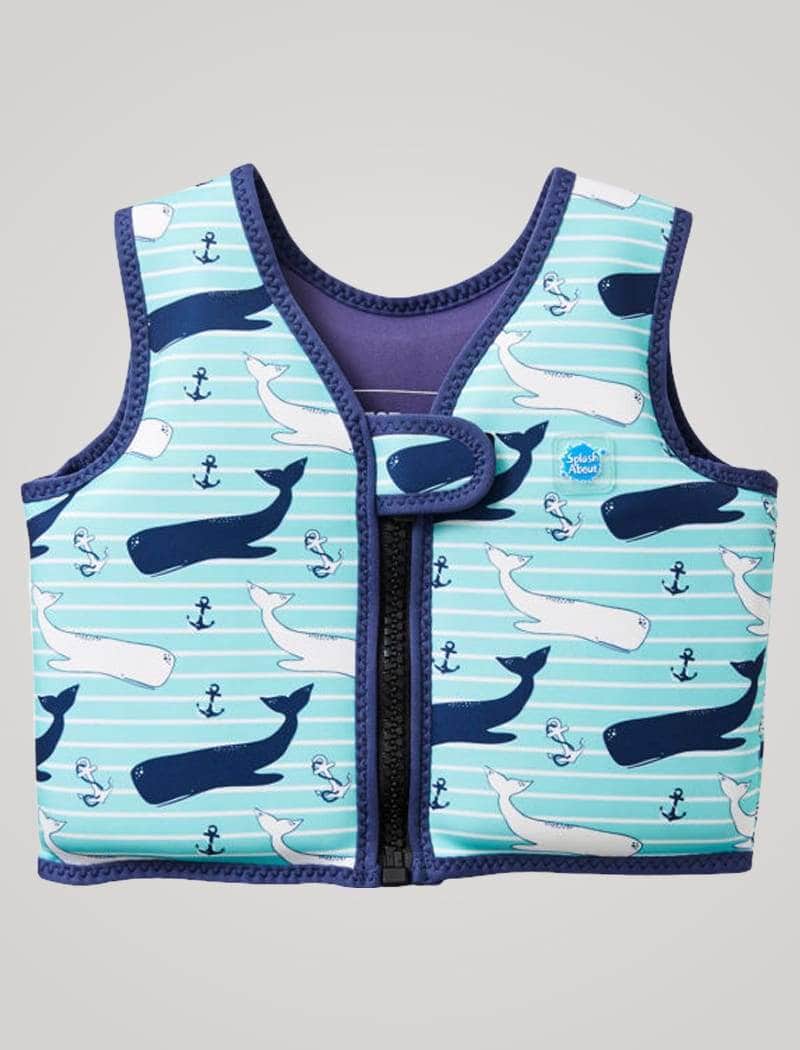
If you want to bring your child’s swim vest on holiday, a Splash About Go swim vest is a great choice. It takes up significantly less space than other swim vests on the market. And that’s without compromising on buoyancy or freedom of movement.
What the Splash About Go doesn’t have compared to the Beco Sealife is the ability to remove the float elements. The Splash About Go also doesn’t feature a crotch strap.
But for travelling, the Splash About Go is simply the best swim vest for kids.
A swim cap is a great piece of gear when you want to improve your hydrodynamics and protect your hair from chlorine. That’s why you’ll see pretty much all swimmers using a swim cap for both training and competitions.
Below, you’ll find the two swim caps we recommend as the best choices – one for short hair and one that’s particularly well-suited for long hair.
With a Watery swim cap, you get an incredibly versatile swim cap. It’s great for lane swimming, training, fun and splashing around. It’s designed for short hair, but works well for slightly longer hair too.
The swim cap is made from silicone, which offers brilliant durability. It can withstand being stretched a lot and often without tearing. That’s a huge advantage when you’re using your swim cap for daily training.
A Watery swim cap is suitably roomy on the inside without being too bulky on the outside. It forms a sleek shield around your head so the water glides right past smoothly. This means you’ll experience less drag in the water and swim faster as a result.
Even though the price is quite low, the quality easily rivals swim caps from brands like Speedo and TYR. That’s another clear plus that makes a Watery swim cap the best one you can buy.
If you’re one of those swimmers with long hair, you need a swim cap designed to hold plenty of hair. And that’s exactly what this Watery swim cap for long hair does.
The quality is just as good as the short-hair model, simply with more room inside so all your hair fits underneath. The silicone is durable, it sits securely on your head, and it’s very budget-friendly too.
The best swim cap for long hair, whether you’re an elite swimmer, fitness swimmer, or just enjoy relaxing in the water.
A towel isn’t just a towel. First and foremost, it needs to get you dry. But as a swimmer, you often have your towel sitting in your kit bag for hours on end, which isn’t ideal once it’s wet from use.
That’s where a microfibre towel really helps. It doesn’t hold water like a traditional towel, meaning it dries quickly and can be used several times before washing. On top of that, it feels noticeably softer and more comfortable when drying off.
Below, we’ve gathered two of the best microfibre towels we recommend. One is ideal for swimmers, while the other is perfect for trips to the beach.
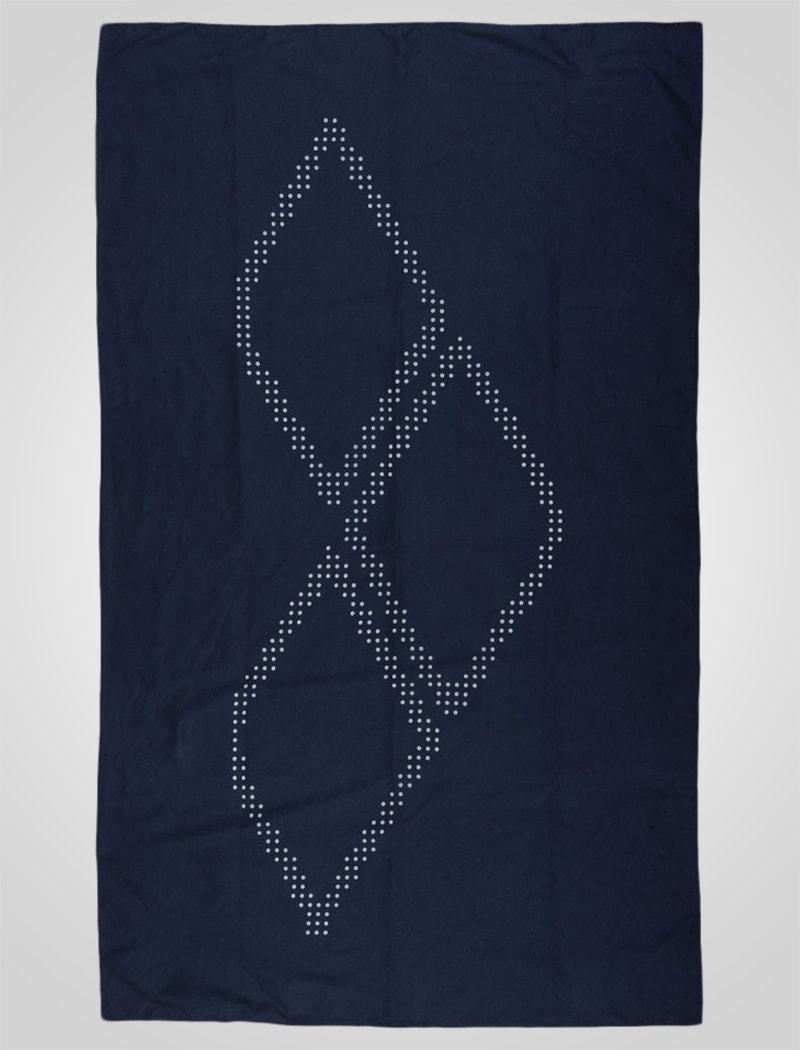


When you need your microfiber towel for sports, you won’t find a better option than an Arena Halo microfiber towel. At 145×90 centimetres, it’s the size of a traditional towel, making it much easier to dry off.
The Arena Halo Microfiber towel is brilliant when it comes to not absorbing water. Instead of soaking it up, it pushes the water off your body. That means you can use the towel multiple times, and you won’t have to carry a soggy towel around in your swim bag for the rest of the day after your morning swim.
Simply put, the Arena Halo microfiber towel is just the best towel for swimmers and other athletes.
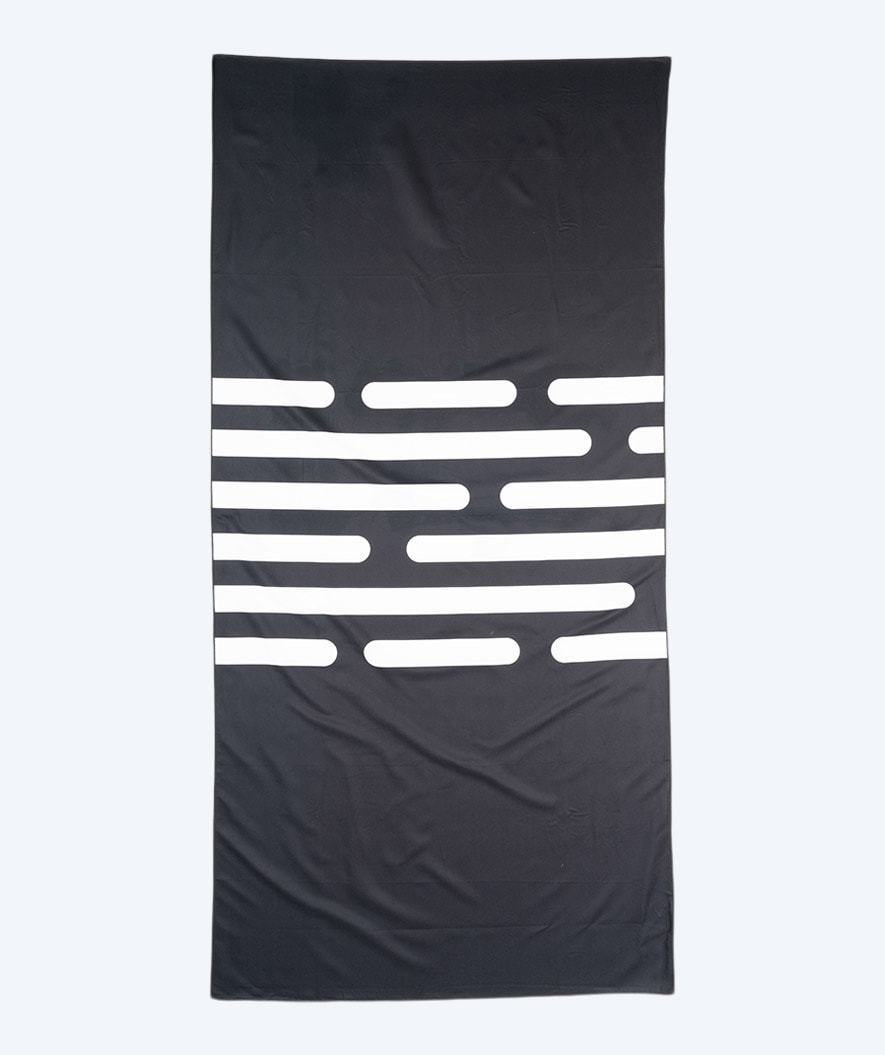
When you’re travelling, you’ll probably be heading to the beach too. An extra large towel is ideal here to use as a mat by the hotel pool or on the warm beach sand.
And this is where a Watery quick-drying towel is absolutely perfect. At 160×80 centimetres, you get a microfiber towel that’s the size of a standard bath towel. Plus, it’s more than big enough to dry off with when you come out of the water.
The towel is the same size as a regular towel, but it can be folded down to take up just 1/4 of the space, which is handy when you’re on the go and packing light.
An extra bonus with this towel is that it’s sand-resistant. Once you’ve dried off and laid the towel on the sand, the sand won’t stick to it. That makes packing up your beach bag so much nicer.
Even though it isn’t a microfiber towel in the strictest sense, you still get all the exact same benefits. It’s lightweight. It dries quickly. And it’s wonderfully large!
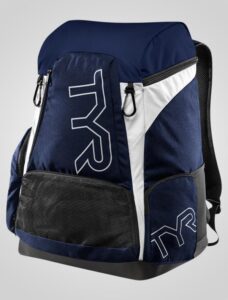
The more gear you have, the harder it is to keep track of everything. That’s where a swim bag and a mesh bag come into play. A swim bag and mesh bag also make it significantly easier to carry your gear back and forth between training sessions and galas.
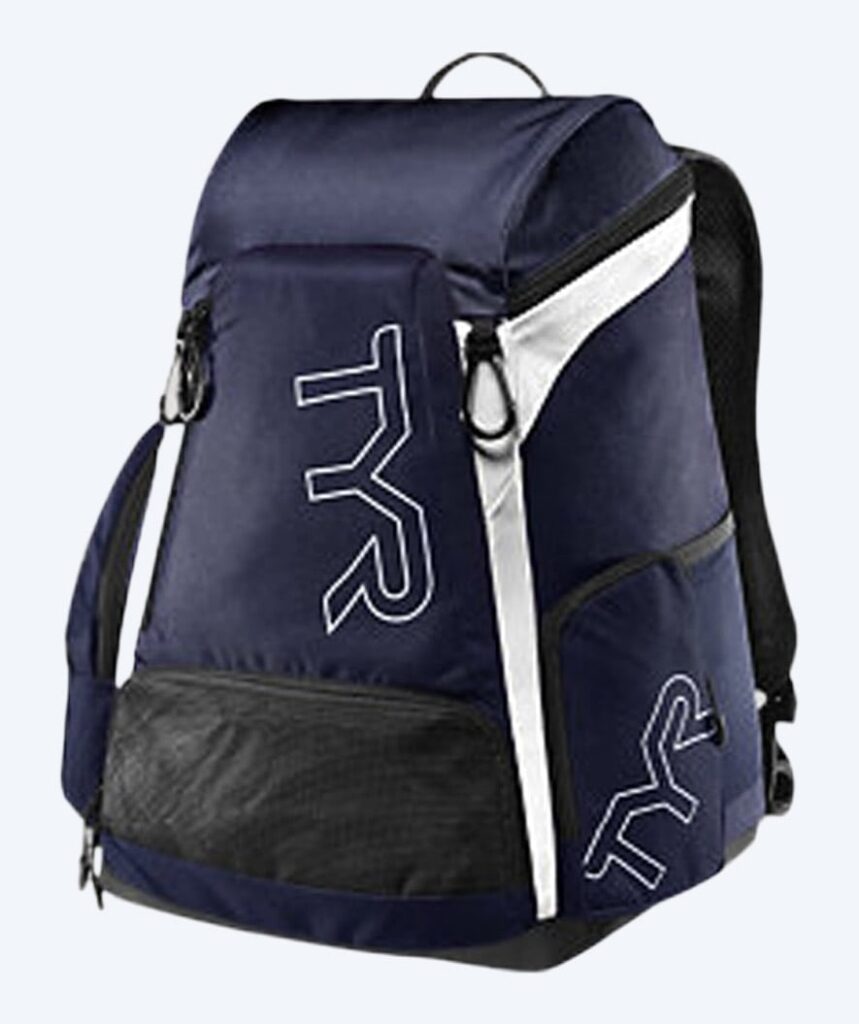
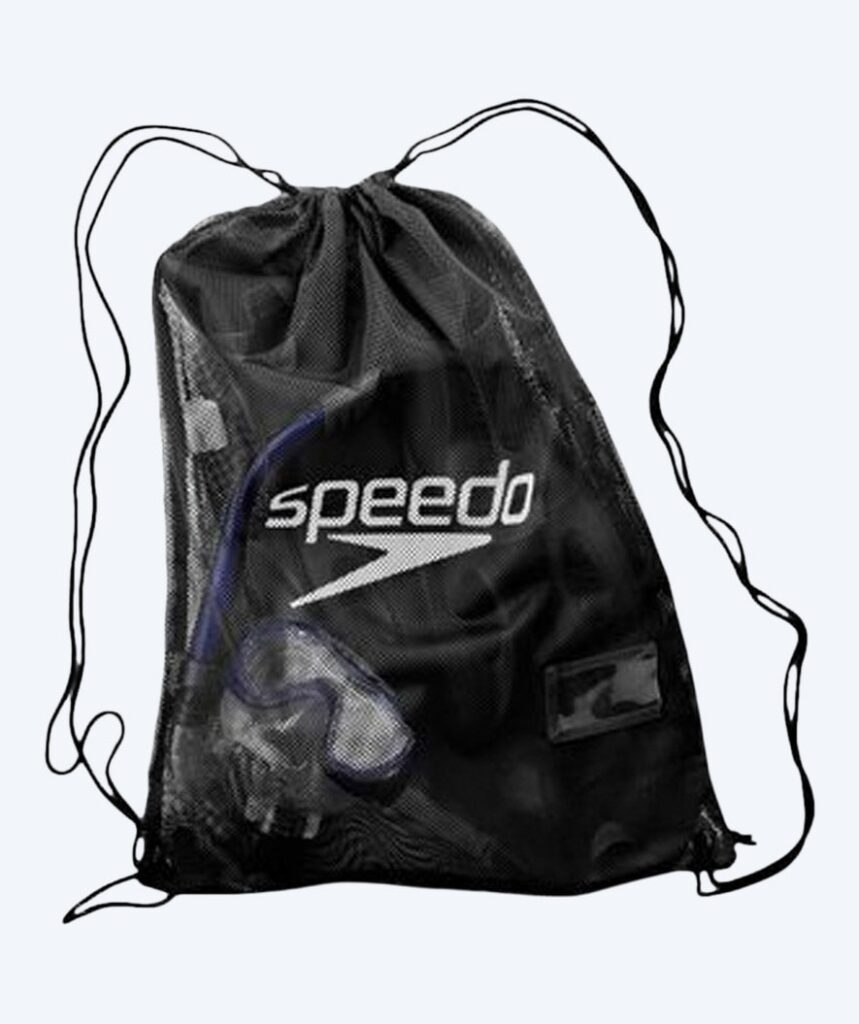
Generally speaking, either a swim bag or a mesh bag might be enough to keep track of all your swimming gear. But there are still a few differences that mean they are primarily designed for two different purposes.
That’s why I recommend using the swim bag and mesh bag for the types of gear I’ve listed below:
Why not keep my technique gear in my swim bag, you might ask? That’s because your gear will often be wet after use. And since a swim bag doesn’t have drainage holes at the bottom, storing your wet gear in there isn’t very practical.
A mesh bag, on the other hand, does. That makes the mesh bag much better suited for that purpose.
If you’re looking for high-quality swimming gear, Watery is the obvious place to go. With our background in competitive swimming, we know just how important the right swimming gear is – which is why we’ve gathered the best equipment from top brands in our range.
We offer fast delivery, competitive prices, and have a top Trustpilot score – so you’re guaranteed a secure and seamless shopping experience.
That’s why we recommend Watery when you’re buying swimming gear.